
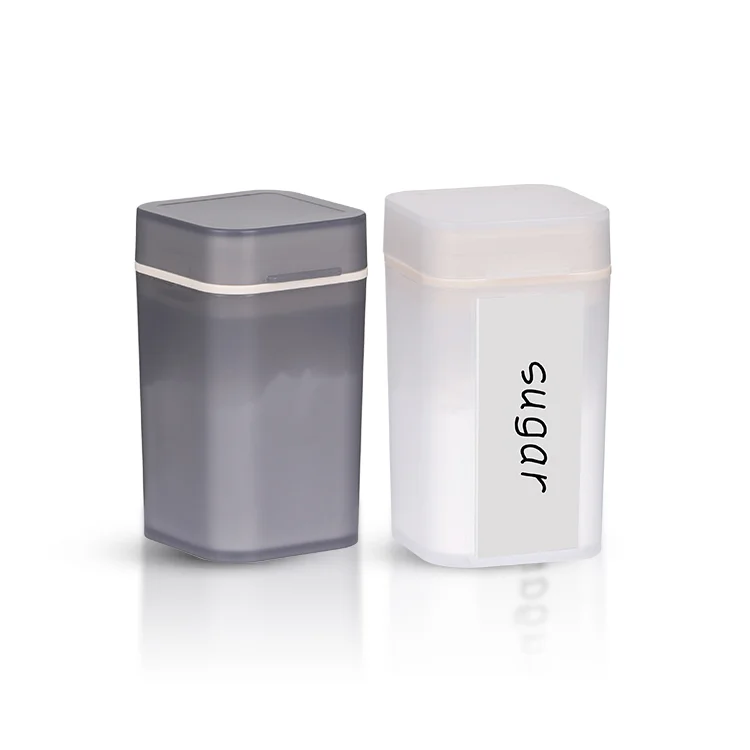
Winkeliers verliezen doorgaans geen verkoop van een suikerstrooier omdat klanten een hekel hebben aan suiker. Ze verliezen de verkoop omdat het product alledaags, rommelig of moeilijk te omschrijven is in een overvolle schap met keukenartikelen. Een kleine dispenser moet zijn plek verdienen tussen koffieaccessoires, bakgerei, ontbijtorganizers en impulsieve cadeautjes. Daar komt een meer specifieke productbeschrijving van pas.
De SinoGlass plastic suikerstrooier Het geeft kopers een duidelijker beeld dan een gewone pot. Het heeft een duurzame plastic behuizing, is geschikt voor fijn poeder en is voorzien van een magnetische ophangstrip, waardoor de shaker op een metalen oppervlak kan blijven staan in plaats van in een lade te verdwijnen. Voor koffiebars, bakhoeken, kleine keukens en keukensets onder eigen label verandert dit detail de manier waarop het product in de markt gezet kan worden.
Begin met het poeder, niet met de vorm.
Een suikerstrooier is alleen nuttig als het poeder er gecontroleerd uitkomt. Kristalsuiker, poedersuiker, bloem, cacao, kaneel en lichte kruiden gedragen zich niet allemaal hetzelfde. Sommige komen er snel uit. Sommige klonteren. Sommige strooien te veel poeder rond en laten na één keer gebruik een vies aanrecht achter. Kopers moeten zich afvragen voor welke poeders het product bedoeld is voordat ze de stijl van het deksel, het patroon van de gaatjes, de tekst op het etiket en de foto's op de verpakking kiezen.
Voor een poedersuikerstrooier is het meest overtuigende gebruik niet alleen het zoeten van koffie. Het gaat erom pannenkoeken, wafels, koekjes, cakes, warme dranken en desserts af te maken zonder een lepel te hoeven gebruiken of een zak open te scheuren. SinoGlass beschrijft de MAGNETO DUSTER voor gebruik met fijne poeders zoals bloem of poedersuiker, wat het verkoopteam een concreet voorbeeld geeft om op de verpakking te laten zien.
Bewijsmateriaal dat kopers moeten bevestigen
Voordat een grote bestelling wordt geplaatst, kunnen kopers het product testen met minstens drie soorten poeder: poedersuiker, bloem en een lichte specerijenmix. De test moet uitwijzen of er poederresten achterblijven bij het deksel, of de behuizing gemakkelijk bij te vullen is en of de magneetstrip goed vast blijft zitten na herhaaldelijk verwijderen van een metalen oppervlak. Een gecontroleerde test met een bloemstrooier is met name nuttig omdat bloem sneller residu en klontjes vertoont dan droge tafelsuiker.
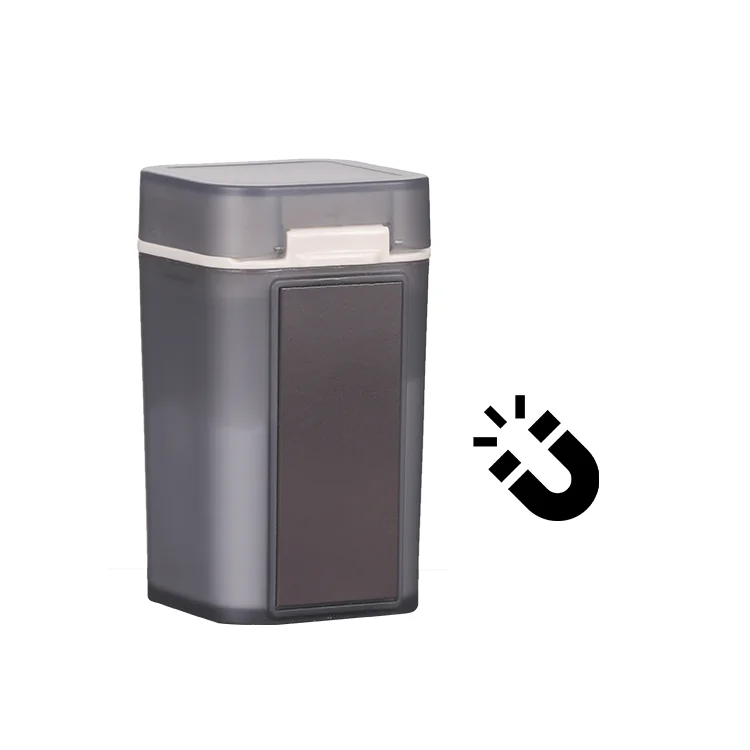
Het magnetische detail dat ervoor zorgt dat aanrechtbladen schoon blijven.
Veel keukenaccessoires beloven gemak, maar een magnetische bevestiging kan dat gemak visueel aantonen. In een winkelpresentatie kan de koper het artikel naast een nagebootst koffiestation, een metalen rail, een compacte voorraadkast of een bakondergrond plaatsen. De boodschap is direct duidelijk: dit is geen gewone opbergbak. Het is een hulpmiddel dat altijd binnen handbereik is.
Een magnetische ophangstrip is geschikt voor kleine keukens, gedeelde koffiehoekjes op kantoor, bakkerijen en bakpakketten om cadeau te geven. Als het product online wordt verkocht, moeten de lifestyle-afbeeldingen laten zien hoe de shaker van een metalen oppervlak wordt getild en boven een dessert of bakvorm wordt gebruikt, en niet alleen hoe hij op een witte achtergrond staat.
De beschrijving op de verpakking moet kort en bondig zijn. Zinnen zoals 'fijn poeder', 'magnetische ophangstrip' en 'perfect voor poedersuiker' zijn gemakkelijker te onderbouwen dan algemene beweringen over de organisatie. Een reeks van drie afbeeldingen die het ophangen, optillen en bestrooien laten zien, kan het product sneller uitleggen dan een lange alinea op de verpakking.
Waar een suikerstrooier wél thuishoort: bij koffie, gebak en cadeausets.
Een suikerdispenser kan in meerdere schappen staan, maar dezelfde boodschap werkt niet voor allemaal. Koffieverkopers willen nette condimentstations. Inkopers van bakproducten hechten waarde aan een nette afwerking en het afstoffen van bakwaren. Kopers van huishoudelijke artikelen vinden compacte opbergmogelijkheden belangrijk. Cadeaukopers willen dat het artikel er nuttig uitziet zonder dat er een lange uitleg nodig is.
Voor een koffiebarlijn kan de verpakking bijvoorbeeld 'suiker', 'cacao' of 'kaneel' vermelden. Voor een lijn bakbenodigdheden is een duidelijkere omschrijving 'meelstrooier' of 'poedersuikerstrooier' geschikter. Voor keukengerei onder private label kunnen inkopers opties met twee of drie verpakkingen testen, met verschillende kleuren deksels of etiketten. De SKU hoeft niet ingewikkeld te zijn, maar het verhaal achter het product moet wel duidelijk genoeg zijn voor de klant om het binnen enkele seconden te begrijpen.
Een praktische selectieroute
Eén productvariant kan bijvoorbeeld een enkele plastic suikerstrooier voor poedersuiker bevatten. Een breder assortiment kan worden gecombineerd met koffiemokken, dessertbordjes of een ontbijtorganizer. Als de koper een programma voor een kantoorvoorraadkast wil, moet de magneetstrip als belangrijkste kenmerk worden gepresenteerd, omdat deze het veelvoorkomende probleem van zoekgeraakte kleine spullen oplost. Suikerpotten categorie Kan ook een bredere productlijnbeoordeling ondersteunen zonder het artikel te veranderen in een doorsnee opslagproduct.
Seizoensinvloeden kunnen ook het assortiment beïnvloeden. Lentegebak, ijskoffie in de zomer, cacao in de herfst en desserts voor de feestdagen geven kopers een reden om een anders klein productaanbod te vernieuwen. Hetzelfde basisproduct kan in meerdere campagnes voorkomen als het verpakkingsontwerp en de bijbehorende afbeeldingen vroeg genoeg worden gepland.
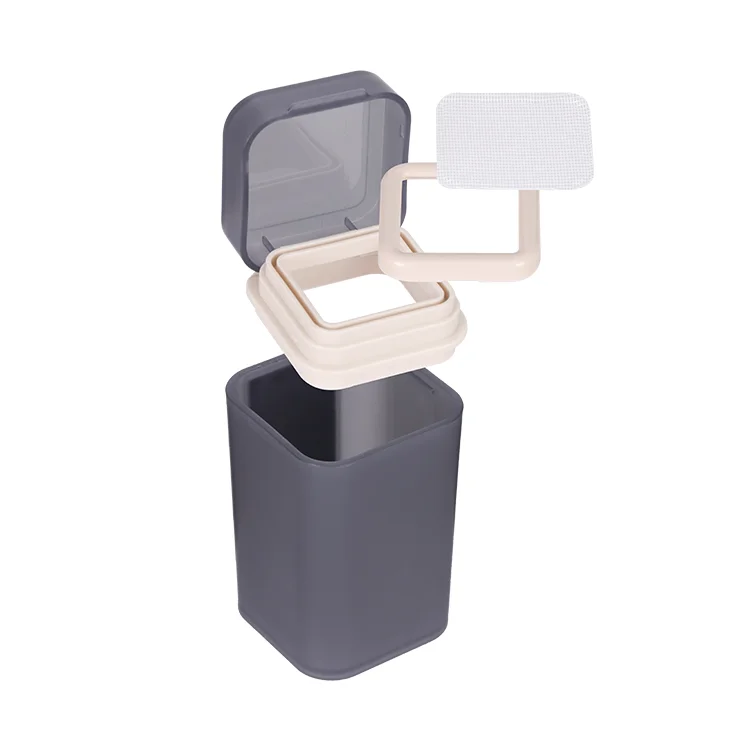
Reinigings-, navul- en gebruiksaanwijzingen voorkomen klachten.
Een koper kan ook letten op gebruiksaanwijzingen voordat hij een poederdispenser aanschaft. Als het deksel, de behuizing en de dop duidelijk van elkaar te scheiden zijn, voelt het product gemakkelijker schoon te maken en bij te vullen. Als die onderdelen er onduidelijk uitzien, kan de koper zijn twijfels wegnemen met een kleine verpakkingstekening, een close-upfoto of een eenvoudige gebruiksaanwijzing naast de productafbeelding.
Kleine poederdoseerapparaten vertonen vaak gebreken in de details. Als de opening te smal is, kan het apparaat niet netjes worden bijgevuld. Als het deksel poeder vasthoudt, ziet de gebruiker na slechts enkele keren gebruik resten. Als de plastic behuizing gemakkelijk krassen vertoont, kan het product er al verouderd uitzien in de winkel voordat de actieperiode is afgelopen.
Kopers kunnen een eenvoudige test uitvoeren: bijvullen, schudden, afvegen, op een metalen oppervlak bevestigen, verwijderen en herhalen. Het doel is om te ontdekken of het product na de eerste aantrekkelijke foto nog steeds prettig in gebruik is. Een product dat gemakkelijk bij te vullen en schoon te maken is, is geschikt voor herhaald gebruik. Een product dat er slim uitziet, maar poederophoping veroorzaakt, zal eerder leiden tot negatieve recensies over rommel dan over gebruiksgemak.
Ook de etikettering verdient aandacht. Een product in fijn poedervorm kan weliswaar geschikt zijn voor suiker of meel, maar de informatie over contact met levensmiddelen, de wasvoorschriften en de compatibiliteit met poeders moeten vóór het drukken worden gecontroleerd. Als de koper een private label-programma plant, kunnen de kleur van de behuizing, de kleur van het deksel, de positie van het logo en het ontwerp van de doos worden besproken met SinoGlass. OEM/ODM-service.
De verpakking voor de detailhandel moet die gebruiksscenario's duidelijk maken zonder het product te veel uit te leggen. Op de voorkant kan bijvoorbeeld poedersuiker over een dessert worden gestrooid, terwijl op de zijkant de magnetische ophangstrip bij een koffiestation of bakplaat te zien is. Voor webshops kunnen kopers ook vragen om een close-up van het openen van het deksel en een korte afbeelding van een gebruiksscenario, omdat producten voor poederdosering gemakkelijker te begrijpen zijn wanneer klanten de beweging zien, en niet alleen de vorm van de verpakking.
Conclusie: Zorg ervoor dat de kleine shaker gemakkelijk opvalt en hergebruikt kan worden.
Een suikerstrooier is een klein product, maar een klein product kan toch een sterk verhaal in de schappen vertellen. De beste verkoopargumenten zijn niet alleen "een bakje voor suiker". Het gaat om gecontroleerd poedergebruik, compacte plaatsing, gemakkelijk bijvullen en een zichtbare magneet die ervoor zorgt dat het product goed past in assortimenten voor koffie, bakkerijproducten en huishoudelijke artikelen. Inkopers die een nieuw programma plannen, kunnen het type poeder, de verpakkingsvorm, het distributiekanaal, de logo-eisen en de verwachte bestelhoeveelheid vergelijken voordat ze contact opnemen met SinoGlass. contactpagina.
Veelgestelde vragen
Vraag 1: Is een suikerstrooier alleen voor tafelsuiker?
A1: Nee. Afhankelijk van het deksel en de poederdosering kan het geschikt zijn voor poedersuiker, bloem, cacao, kaneel of lichte kruiden. Kopers dienen het poeder zelf te testen voordat ze de verpakkingsinformatie definitief beoordelen.
Vraag 2: Waarom is de magneetstrip belangrijk voor de positionering in de detailhandel?
A2: De magneetstrip maakt van het product een overzichtelijk hulpmiddel op de werkplek in plaats van een simpele verpakking. Het helpt kleine keukens, koffiehoeken en bakkerijen om fijn poeder binnen handbereik te houden.
Vraag 3: Wat moeten kopers in een offerteaanvraag voor dit product opnemen?
A3: Vermeld het type poeder, het beoogde verkoopkanaal, de vereisten voor het etiket of logo, de verpakkingsvorm, de behoeften voor het testen van monsters en eventuele verwachtingen ten aanzien van magnetische displays voor productfotografie of schappresentatie.