
Ein isolierter Lebensmittelbehälter kann Kunden mit einem einzigen Versprechen überzeugen: warmes Essen unterwegs. Genauso schnell kann er sie aber auch wieder verlieren, wenn sich der Deckel schwer öffnen lässt, Gerüche nicht eindringen oder die Teile schwer zu reinigen sind. Für Händler hängt die Kaufentscheidung daher nicht allein von Fassungsvermögen oder Farbe ab. Entscheidend ist, was passiert, nachdem Suppe, Reis, Nudeln oder Eintopf mehrere Stunden im Behälter gestanden haben.
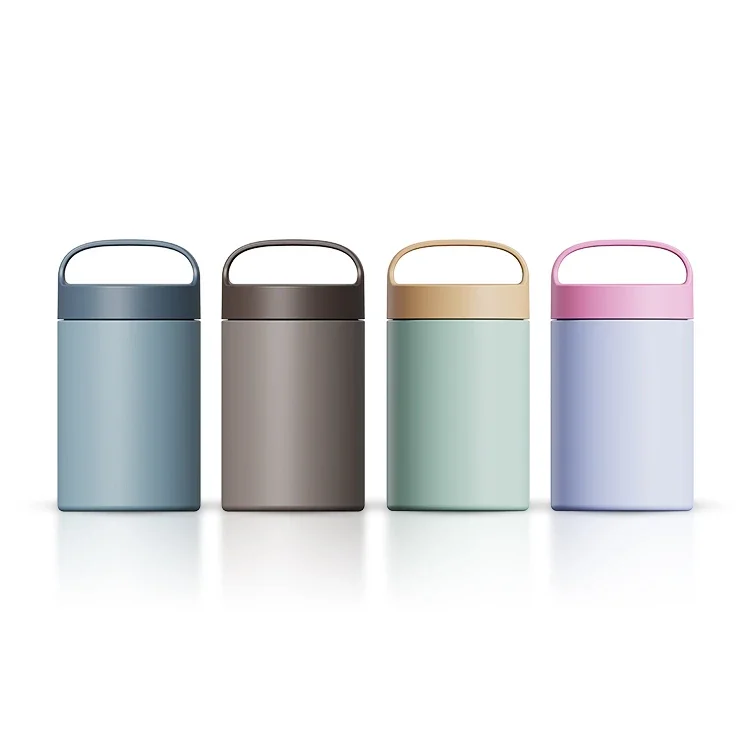
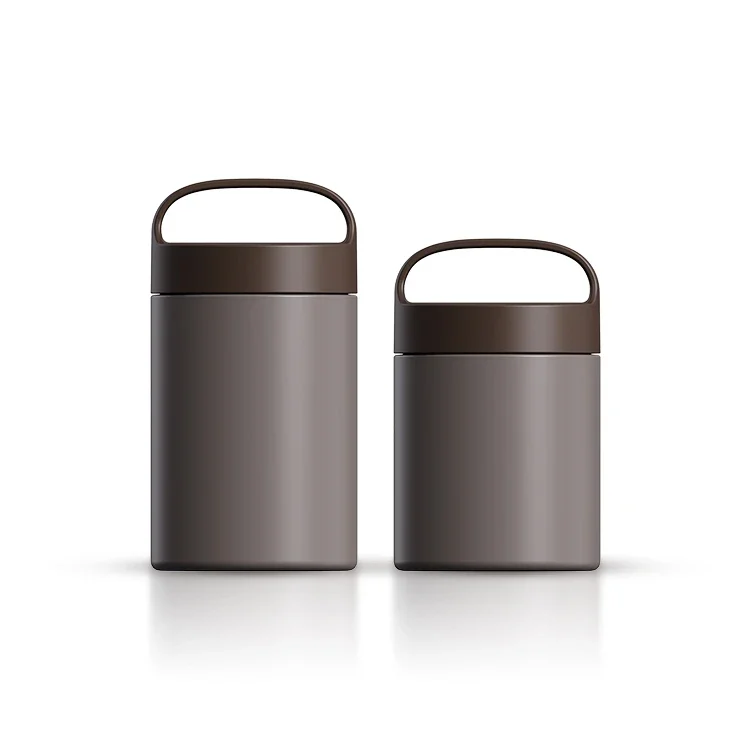
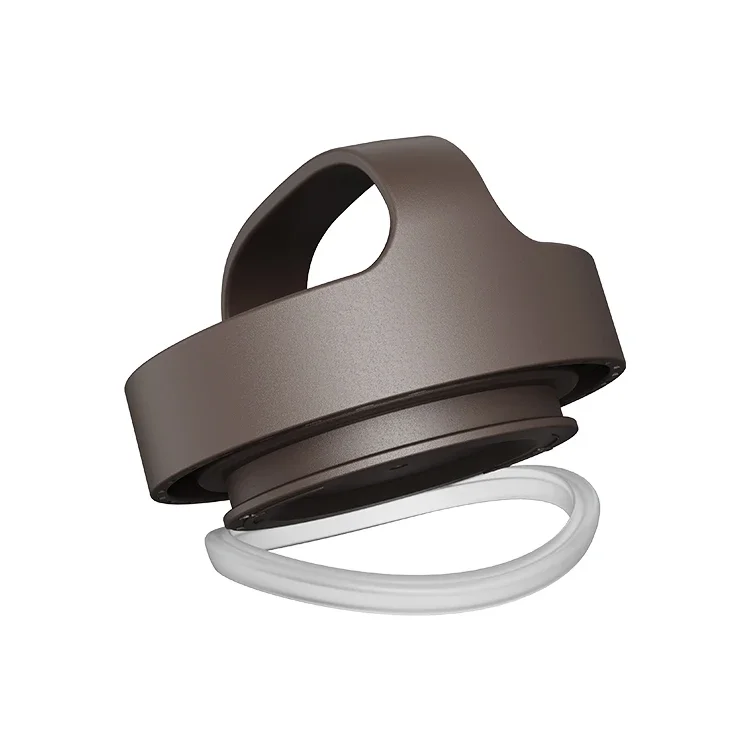
Die SinoGlass Tragbarer Warmhaltebehälter Die Produktseite bietet Käufern eine konkrete Produktgrundlage für dieses Gespräch. Sie hebt ein temperaturerhaltendes Edelstahlgehäuse, zwei Größenoptionen, zwei Farben, einen einzigartigen Deckel für leichteres Öffnen, abnehmbare Silikonringstufen und spülmaschinenfeste Teile hervor. Diese Details unterstützen eine praxisorientierte Beschaffungsdiskussion hinsichtlich Reinigungsfreundlichkeit, Deckelbedienung und Kundenzufriedenheit nach dem Gebrauch.
Warum der Zugang zur Reinigung in die erste Beschaffungsfrage gehört
Viele Käufer orientieren sich zunächst am Volumen, da sich Behälter anhand des Volumens leicht vergleichen lassen. Ein 500-ml-Behälter wirkt anders als eine größere Brotdose, und Kartons lassen sich anhand der Größe planen. Doch die einfache Reinigung entscheidet darüber, ob das Produkt wöchentlich genutzt oder nach zwei Mahlzeiten im hintersten Winkel des Schranks verstaut wird.
Ein Behälter für heiße Speisen ist dafür ausgelegt, Lebensmittel zu transportieren, die an Oberflächen haften bleiben. Reisstärke, Tomatensoße, Haferflocken, Suppenöl, Curry und Milchprodukte können Rückstände am Dichtungsring und im Deckelinneren hinterlassen. Lässt sich der Silikonring nicht entfernen oder der Deckelbereich nicht erreichen, entstehen Gerüche und Flecken. Daher sollte die Prüfung von Produktmustern neben der Wärmespeicherung auch die Demontage umfassen.
Beispieltest anfordern
Bitten Sie den Lieferanten, den Deckel vollständig montiert, teilweise geöffnet und vollständig zerlegt zu zeigen. Testen Sie das Produkt anschließend, nachdem es einige Stunden mit einer warmen Mahlzeit darin gestanden hat. Einzelhändler sollten darauf achten, ob der Silikonring nach dem Waschen problemlos in seine Position zurückkehrt und ob eventuell vorhandene Rillen feucht bleiben. Eine kurze Demontageanleitung im Karton kann den Supportaufwand nach der Markteinführung reduzieren.
Eine weite Öffnung kann genauso wichtig sein wie die Isolierung. Suchergebnisse für Vorratsgläser und Thermoskannen betonen oft das einfache Befüllen, Essen und Reinigen, denn niemand möchte sich beim Mittagessen mit einer engen Öffnung herumärgern. Bei Einzelhandelsverpackungen kann ein klares Bild von oben zeigen, ob der Behälter für Suppe, Reis, Nudeln oder Haferflocken geeignet ist.
Wärmespeicherung und Speisenerlebnis trennen
Das Hauptkeyword „isolierter Lebensmittelbehälter“ lockt Käufer an, die warme Mahlzeiten wünschen. Doch Wärme allein reicht nicht aus. Bleibt das Essen warm, lässt sich der Deckel aber nur schwer öffnen, erinnert sich der Kunde an die Mühe. Lässt sich der Behälter zwar leicht öffnen, läuft aber in der Tasche aus, bleibt der Kunde dem Verschütteten in Erinnerung. Das Verkaufsversprechen muss daher Temperatur, Dichtigkeit, Öffnungskomfort und einfache Reinigung in Einklang bringen.
Das SinoGlass-Produkt besteht aus temperaturbeständigem Edelstahl und eignet sich ideal für selbstgekochte Speisen im Büro oder beim Picknick. Es bietet Käufern praktische Anwendungsszenarien: ein Büroangestellter, der morgens Suppe einpackt, ein Elternteil, der warmes Essen für einen Tagesausflug zubereitet, oder ein Pendler, der eine Lunchbox im Rucksack trägt. Jedes dieser Szenarien stellt unterschiedliche Anforderungen an Deckel, Dichtung und Außenfläche.
Auch bei Thermobehältern für Mittagessen spielt die Haltbarkeit eine Rolle. Manche Kunden benötigen eine Lösung für kurze Arbeitswege. Andere erwarten, dass das Essen bis zur späten Mittagspause frisch bleibt. Verspricht die Verpackung zu viel ohne klares Anwendungsszenario, können Retouren eher auf unrealistischen Erwartungen als auf Mängeln beruhen. Eine sicherere Strategie ist es, Anwendungsfälle, Materialien und die Reinigungsmöglichkeiten zu beschreiben, anstatt allgemeine Leistungsversprechen zu machen.
Prüfen Sie den Deckel, bevor Sie die Farbe prüfen.
Die Farbe ist für die Präsentation im Regal wichtig, der Deckel birgt jedoch ein funktionales Risiko. Auf der Produktseite wird ein einzigartiger Deckel beschrieben, der das Öffnen erleichtert. Käufer können dies in Beispielfragen an SinoGlass umsetzen. ProduktionsunterstützungLässt sich der Deckel einhändig öffnen? Erschwert der Dampfdruck das Öffnen? Liegt der Griff gut in der Hand, auch für ältere Menschen oder Kinder? Gibt es durch die Deckelform Probleme mit der Kartonhöhe?
Bei Thermobehältern für Lebensmittel ist der Deckel oft der Grund für Reklamationen. Ein unübersichtlicher Deckel kann negative Bewertungen hervorrufen, selbst wenn der Edelstahlkorpus ansonsten einwandfrei ist. Klare Beilagen oder Verpackungsdiagramme können hilfreich sein, insbesondere wenn das Produkt einen abnehmbaren Silikonring oder Innendeckel enthält.
Der Deckel sollte nach jedem Spülgang in der Spülmaschine überprüft werden. Ein Teil, das am ersten Tag einwandfrei passte, kann sich nach mehrmaligem Spülen locker oder schwergängig anfühlen. Käufer müssen die technischen Probleme nicht im Lieferumfang enthalten haben, sollten aber vor der Genehmigung einer größeren Bestellung die Testberichte anfordern.
Warum es nicht einfach nur eine weitere Brotdose ist
Dieses Produkt gehört zwar in die Kategorie Lunchboxen, sollte aber nicht als herkömmliche flache Lunchbox präsentiert werden. Standard-Lunchboxen zeichnen sich oft durch Fächer, Mikrowellenfunktion oder die Möglichkeit zum Stapeln von vorbereiteten Mahlzeiten aus. Ein isolierter Lebensmittelbehälter hingegen eignet sich eher für Suppen, Haferflocken, Eintöpfe, Reisgerichte und warme Mahlzeiten, die man unterwegs isst.
Diese Unterscheidung hilft, die Produktbeschreibung im Einzelhandel präzise zu gestalten. Kunden, die Behälter und Gläser für warme Speisen kaufen, suchen oft nach einer Transportmöglichkeit, die sich sicher in der Tasche verstauen lässt und auch nach einem warmen, sämigen Essen noch gut handhabbar ist. Ein Einkäufer, der Produkte für den Einzelhandel zusammenstellt, muss wissen, ob die jeweilige Artikelnummer (SKU) diesen Anwendungsfall unterstützt, ohne dass es zu Beschwerden über den Reinigungsaufwand kommt.
Die Kategorie Lunchbox kann weiterhin eine breitere Produktpalette unterstützen, aber diese Artikelnummer sollte sich auf das Problem der warmen Mahlzeiten konzentrieren: Wärme, Dichtungsverhalten, Demontage, Reinigung und wie sich diese Details auf die Bewertungen auswirken.
Erstellen Sie die Angebotsanfrage anhand von Anwendungsfällen, nicht nur anhand der Kapazität.
Eine aussagekräftige Angebotsanfrage für einen isolierten Lebensmittelbehälter sollte Angaben zur Zielmahlzeit, zur erwarteten Nutzungsdauer, zum gewünschten Größenbereich, zu Anforderungen an die Deckelabnahme, zur Spülmaschineneignung, zum Farbkonzept, zum Verpackungstext und zu den Anforderungen an die Kartonprüfung enthalten. Soll das Produkt für das Mittagessen im Büro verkauft werden, benötigt der Käufer möglicherweise Lifestyle-Bilder mit Schreibtisch und Löffel. Ist es für Mahlzeiten im Freien gedacht, sollte der Karton Hinweise zum Transport und zur Auslaufsicherheit enthalten.
Die offizielle Webseite des SinoGlass-Warmhaltebehälters bietet Käufern einen guten Ausgangspunkt, da dort bereits Informationen zu Edelstahl (Wärmespeicherung), spülmaschinenfesten Teilen, zwei Größen, zwei Farben und einem Deckel mit leichterem Öffnungsmechanismus aufgeführt sind. Käufer können den SinoGlass-Warmhaltebehälter verwenden. Kontaktseite Diese Details in eine Muster-Checkliste und einen Verpackungsleitfaden umzuwandeln.
Für den Eigenmarkenhandel ist ein weiteres Detail entscheidend: die Produktbeschreibung auf übersichtliche und schnörkellose Weise. Ein einfaches Symbolset kann beispielsweise warme Gerichte, spülmaschinenfeste Teile, einen abnehmbaren Ring sowie die Eignung für Büro oder Picknick veranschaulichen. Das ist deutlich aussagekräftiger als allgemeine Behauptungen über einen gehobenen Lebensstil.
Ein letzter Prüfpunkt ist das Rückgabeszenario. Fragen Sie sich, was der Kunde tun wird, wenn der Deckel schwergängig ist, der Dampfdruck die Öffnungskraft verändert oder eine Dichtung nach dem Waschen nicht mehr richtig sitzt. Die Lösung könnte eine Ersatzdichtungsrichtlinie, eine verständlichere Gebrauchsanweisung oder eine Produktbeschreibung sein, die den Demontageschritt vor dem Kauf zeigt. Dieses kleine Detail kann die Bewertungen einer Thermobehälter-Serie deutlich verbessern.
Fazit: Das Erlebnis nach dem Essen sollte Teil des Verkaufsprozesses sein.
Ein guter Warmhaltebehälter wird nicht erst beim Einpacken der Mahlzeit beurteilt. Er zeigt sich auch dann, wenn der Benutzer ihn öffnet, daraus isst, ihn spült und am nächsten Tag wieder einpackt. Einzelhändler, die auf einfachen Zugang zum Deckel, Reinigung der Dichtung, Spülmaschinenfestigkeit und Verpackungshinweise achten, können ein zuverlässigeres Sortiment an isolierten Lebensmittelbehältern mit weniger vermeidbaren Reklamationen aufbauen.
FAQ (häufig gestellte Fragen)
Frage 1: Ist ein isolierter Lebensmittelbehälter dasselbe wie eine normale Lunchbox?
A1: Nein. Eine normale Lunchbox ist oft auf Fächer oder das Aufwärmen in der Mikrowelle ausgelegt. Ein isolierter Lebensmittelbehälter hingegen konzentriert sich darauf, warme Mahlzeiten zu transportieren, die Wärme zu halten, Auslaufen zu verhindern und sich nach dem Verzehr von soßenreichen oder fettigen Speisen leicht reinigen zu lassen.
Frage 2: Welche Probenahme ist für einen Warmhaltebehälter am wichtigsten?
A2: Testen Sie Deckel und Dichtung nach dem Verzehr von warmen Speisen. Achten Sie auf leichten Öffnungskomfort, Auslaufgefahr, einfaches Entfernen des Silikonrings, gute Spülmaschinentauglichkeit und darauf, ob sich Gerüche in den Rillen festsetzen.
Frage 3: Welche Lebensmittel eignen sich am besten für diese Art von Behälter?
A3: Suppen, Haferbrei, Reisgerichte, Eintöpfe, Nudeln und warme Gerichte mit viel Soße eignen sich hervorragend. Diese Speisen stellen auch den stärksten Reinigungstest dar, da sie mehrere Stunden lang mit der Dichtung, den Deckelrillen und dem Edelstahl-Innenraum in Kontakt kommen.