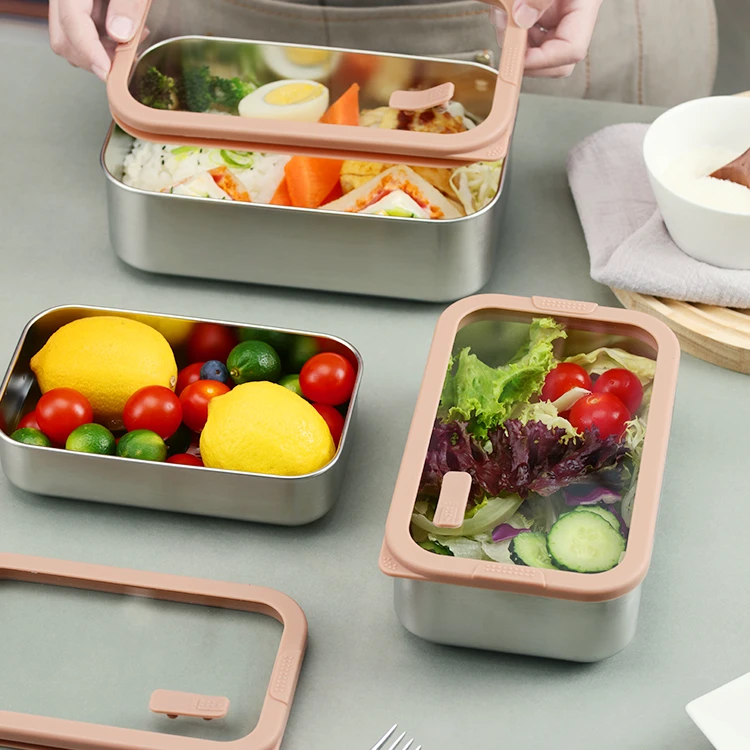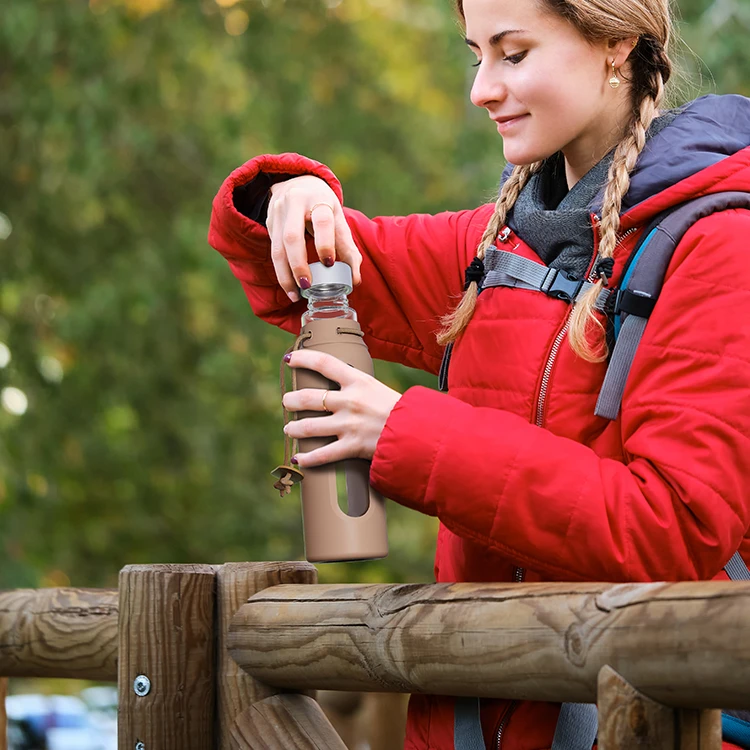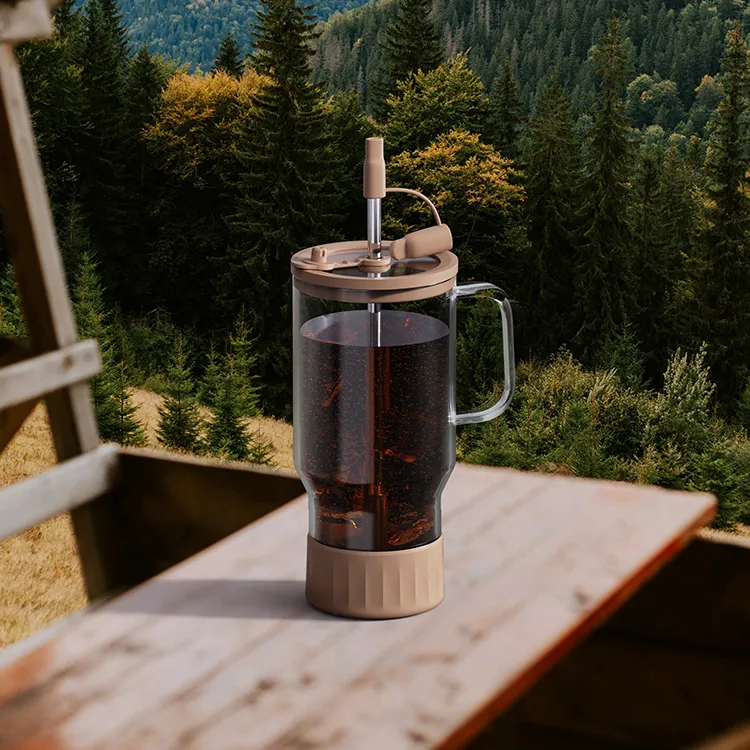

Today’s kitchens go beyond simple usefulness. People are becoming more aware of chemicals that seep out from plastics. They also question the safety of various metals. Because of this, both home cooks and industry workers look for better options to store food securely. Glass containers are famous for being neutral and clean. They have become a top choice. This is because they keep food in its natural form. They do not change its quality or harm its safety at all.
Kitchen safety today covers cleanliness and the strength of the materials used. This wider meaning shows how more people care about their health. They want full details on anything that comes near their food. Rules set by officials are changing step by step. So, our everyday kitchen actions have to change too. We must adjust them to match these new standards and keep our spaces safe for daily use.
What Risks Are Lurking in Conventional Food Storage Materials?
Plastic containers often hold BPA or phthalates inside them. These can let out dangerous chemicals into the food. This happens most when heat from microwaves or dishwashers touches them. These bits create health problems that last for years. Families feel this worry a lot. They store baby food in them. Or they warm up old meals many times.
Are Metal and Silicone Containers Reliable Alternatives?
Metal containers tend to mix with foods that are sour or full of salt. This mixing can change how the food tastes. It can also make it less safe in some cases. In the same way, silicone gives a soft bend that many like. But at very hot levels, it might give off unsteady chemical parts. This occurs if makers do not follow tight rules for quality. Different companies make them in varied ways. So, the results differ a lot between brands.
Why Are Non-Toxic Glass Food Storage Containers a Better Option?
Glass stays as one of the top materials that do not react much in kitchen holding spots. Glass does not absorb odors, stains, or flavors from stored food. It handles changes in heat well. So, it moves safely from the freezer to the oven. This works if it is tempered or made of borosilicate. And it does not let any bad stuff leak into your meals at all.
Can Glass Containers Withstand Daily Wear and Tear?
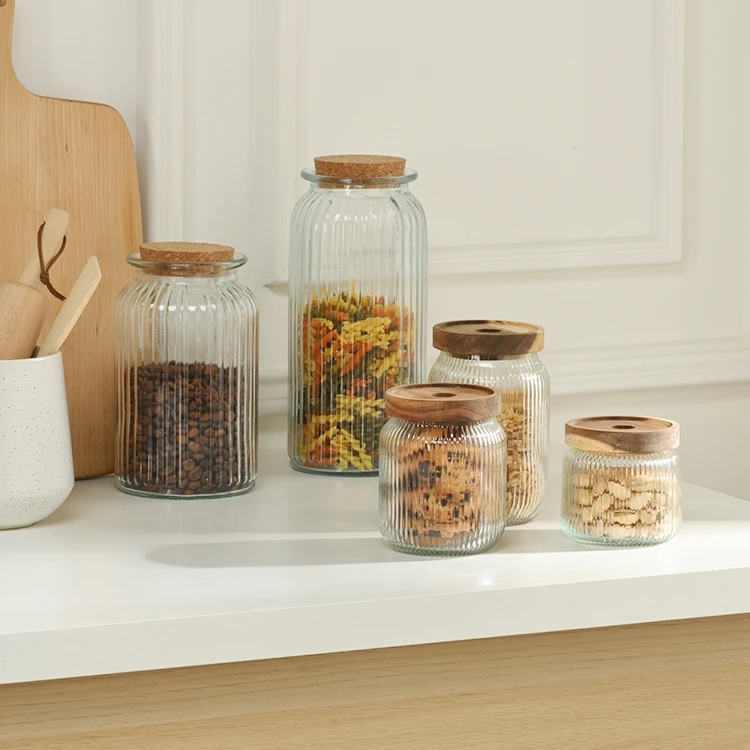
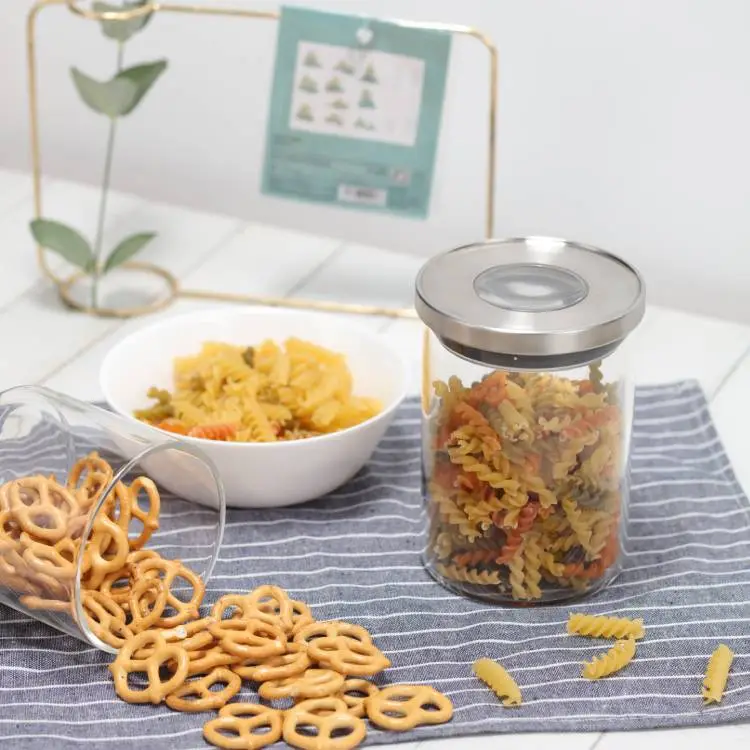
Today’s glass containers, above all those built from borosilicate glass, show strong toughness for regular handling. Things like Glass Containers with Bamboo Lids come with a square high borosilicate glass jar. It has a broad mouth for simple reach and adding more. This setup gives ease and solid build that lasts. Their ability to fight off scratches keeps them clear for a long while. It also makes cleaning for health straightforward. These features make them great for homes where containers see lots of action, from daily meal prep to storing extras, ensuring they hold up without losing looks or function over months of constant use.
How Do Design Features Enhance Kitchen Safety?
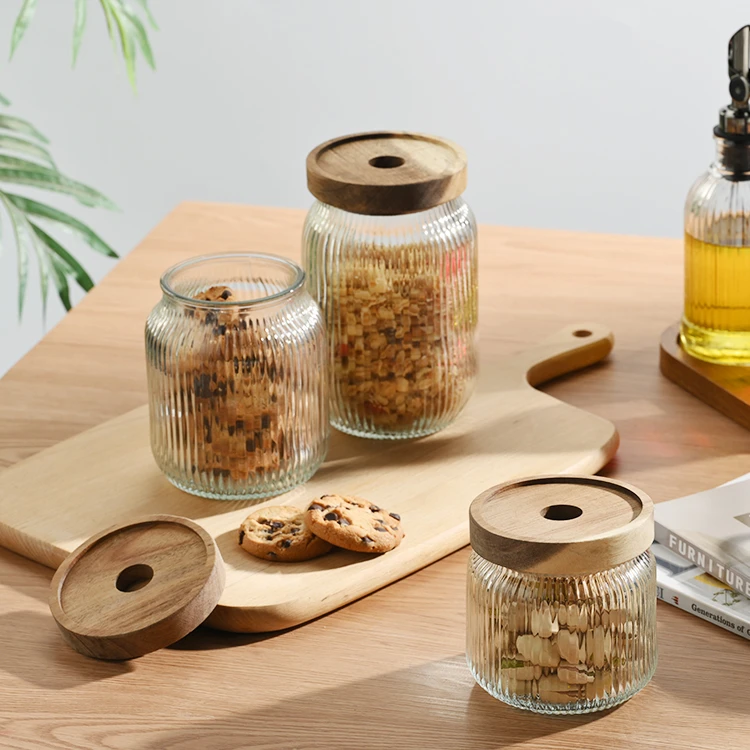
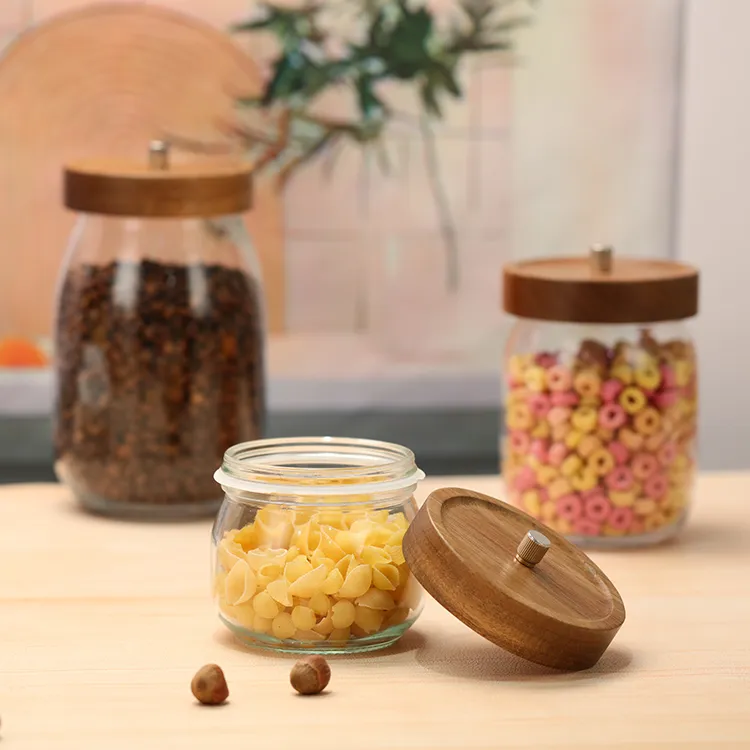
Seals that keep air out are key to holding onto newness and stopping rot early. The bamboo lid does more than look nice. It works well too. It makes a tight seal that holds food fresh extra days. These holders usually have soft rings from silicone. They stop any drip without adding bad chemicals. This sets them apart from ones based on plastic, which might bring issues. In busy spots, such seals mean less waste from spoiled food and more trust in what’s stored, tying directly into safer meals that everyone can enjoy without second thoughts.
Are Glass Containers Designed for Everyday Ergonomics?
Yes—designs that stack and let you see through help arrange the kitchen neatly. They also lower risks from too much touching. The square design looks sharp. But it also lets the jar fit snug on the shelf. This way, it uses space best. Seeing inside easily cuts down on extra grabs. That leads to fewer spots for dirt to get in. Overall, these smart shapes make handling smoother and safer, fitting right into how people move around in their cooking areas each day without causing slips or extra effort that could lead to mistakes.
How Does Switching to Glass Impact the Environment?
Homes that swap out one-time plastic sheets or sacks for glass that can be used again see big drops in trash. The long time glass lasts cuts how often you buy new ones. This shift helps the home run greener. It means less stuff ends up in landfills.
What Makes Eco-Friendly Lids Like Bamboo a Sustainable Choice?
Bamboo lids, shown in items like Glass Jars with Bamboo Lid, come from plants that grow back fast. They break down safely in the earth. And they fight germs on their own. With good upkeep—like keeping them dry and rubbing food-safe oils now and then—they avoid fuzzy growth. They also keep their shape strong. By looping back into use fully, glass helps build systems where waste turns to resource again and again, cutting down on new material pulls from nature and easing pressure on global supplies in ways that benefit everyone involved in sustainable living.
What Maintenance Practices Prolong Glass Storage Performance?
Do not let the holder face quick heat jumps. For example, skip going straight from freezer chill to oven heat. This stops breaks from sudden warmth changes.
What’s the Best Way to Care for Bamboo Lids?
Do not let the lid sit in water long. Bamboo soaks it up fast. This causes puffing and later seal problems. Rinse it, then let it dry in open air all the way. Put it away in a spot without wetness. Rubbing oil safe for food now and then boosts its guard against water. It also makes it last longer for use. These habits ensure the lid pairs well with the glass, keeping everything tight and fresh without mold worries that could shorten its life.
Where Can These Solutions Be Applied Effectively?
Yes—glass jars work great for holding baby food, saved dinners, or parts for meals ahead. This is due to no poison stuff in them. The see-through part helps watchers spot what’s inside quick. It saves minutes. And it cuts extra touches that might bring in germs. Places like coffee spots, bread shops, and food event teams gain from storage you can see into. It fits tight safety rules. Glass does not react, which matches laws for food-safe stuff in work kitchens. This setup aids smooth runs where clear views help track stock fast. And strong builds handle heavy use, meeting pro needs for clean, lasting tools that pass checks and keep operations flowing well day after day.
SinoGlass as a Reliable Kitchenware Supplier
If you’re looking for a trusted partner in kitchenware innovation, SinoGlass delivers excellence rooted in over 25 years of experience. Headquartered in Qingdao with multiple production facilities across China and Thailand, SinoGlass integrates research and development with world-class manufacturing capabilities. This mix lets them create top items that blend fresh ideas with solid builds, serving markets far and wide with gear that stands the test of time in real-world settings. We specialize in the design, production, sales, and export of Kitchenware and Drinkware. Every item is backed by rigorous quality control systems and international certifications like FDA and LFGB. Their product line includes thoughtfully engineered solutions such as glass jars with bamboo lids, stainless steel tumblers, reusable bottles, and more—tailored for modern needs while upholding sustainability principles.
FAQ
Q1: Can glass containers be used directly from freezer to oven?
A1: Only tempered borosilicate glass is safe for such transitions; always check manufacturer specifications to avoid thermal shock.
Q2: How do I prevent bamboo lids from developing mold?
A2: Ensure lids are completely dry before storing them; avoid soaking or prolonged exposure to moisture; occasional oiling helps maintain integrity.
Q3: Are glass containers suitable for storing acidic foods like tomato sauce?
A3: Yes, glass is non-reactive and ideal for acidic contents; it won’t alter flavor or release harmful substances into the food.