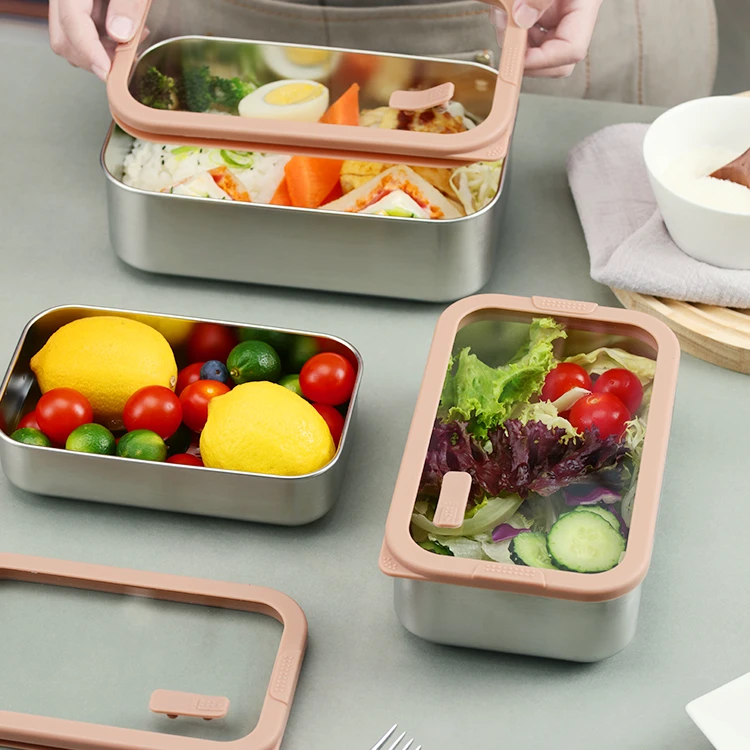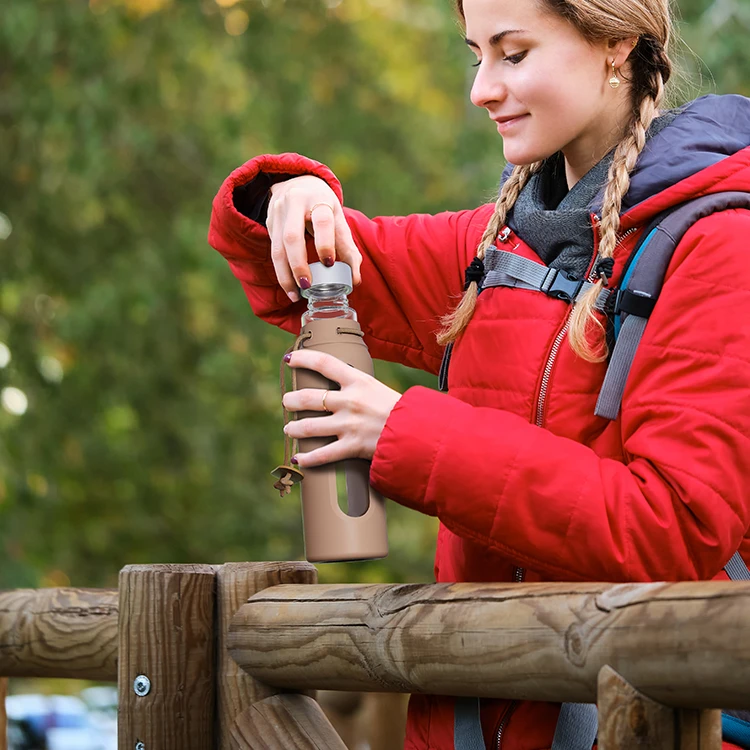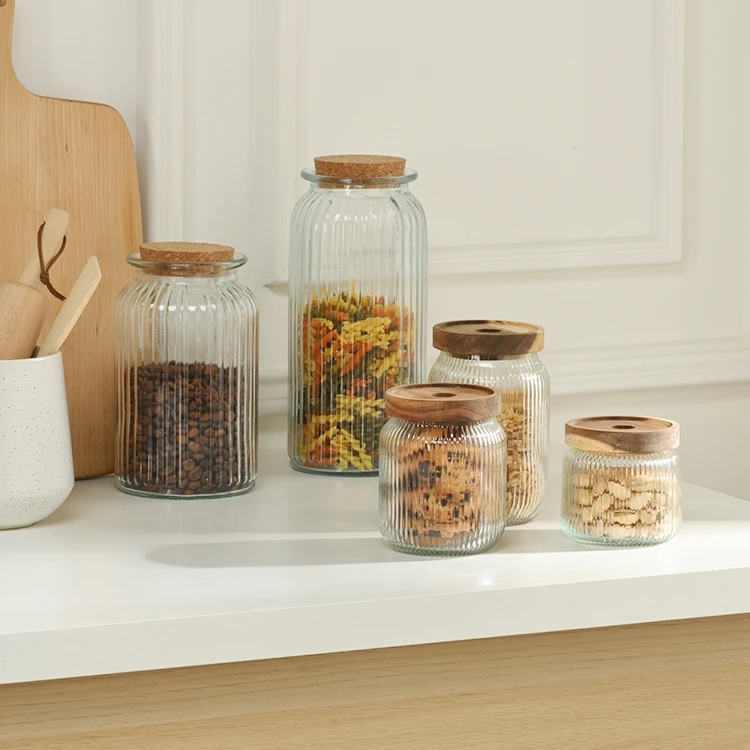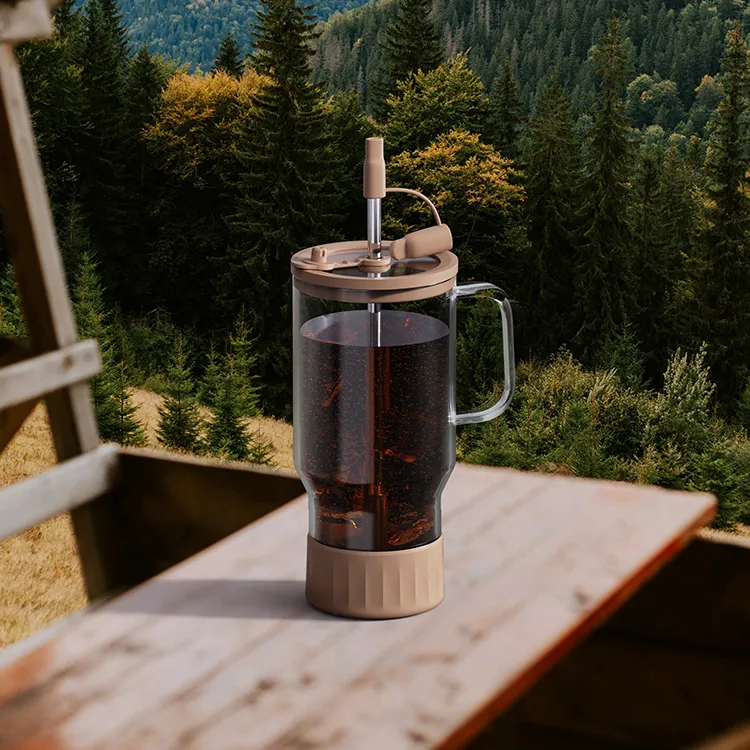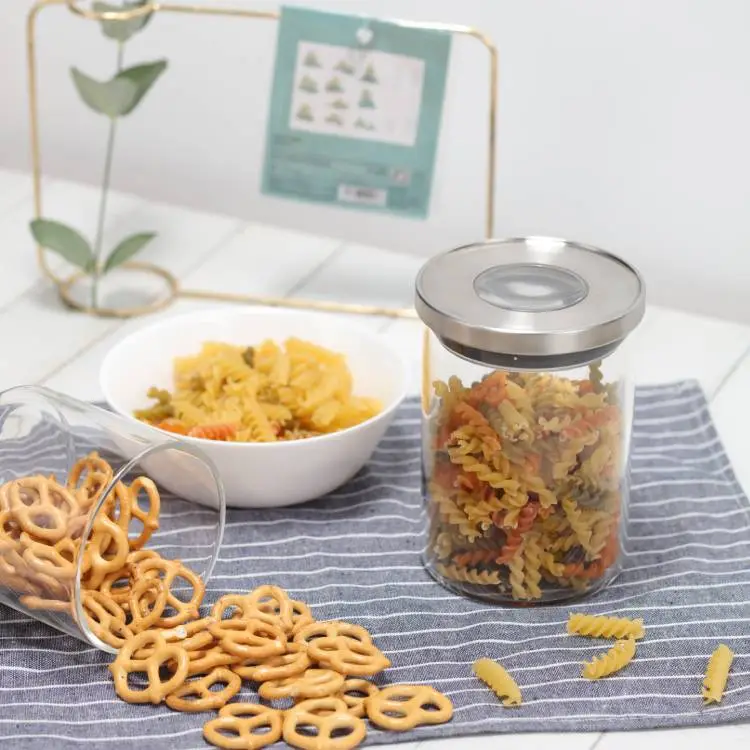

Safe kitchen storage goes beyond just looks or neat arrangement. It forms the base for good health and food safety. Some materials can hold onto bacteria. Others might react with food, particularly acidic or oily ones. People now see glass containers as a top choice. They are non-porous. They stay chemically neutral. And they last a long time. Glass does not take in smells or marks. This makes them perfect for keeping various foods over extended periods. When sealed right, they cut down on contact with air and dampness. As a result, they lower the risk of germs growing.
How Does Material Science Influence Kitchen Storage Effectiveness?
Material science has a big part in picking the right containers. Every material deals with food items and surroundings in its own way. For example, plastics might break down after some time. Or they could let out chemicals. Metals, meanwhile, might mix with sour foods. But glass gives a surface that does not react. It fights against leaking substances. Cleaning it is simple too. These qualities of the material affect cleanliness directly. They also impact how long food stays good. Overall, they boost kitchen safety. Glass containers help with safe habits. They do this by cutting chemical mixing and germ sticking. Such benefits from science lead to improved food cleanliness. They also allow for lasting use.
Key Contamination Risks in Kitchen Storage
Plastic and metal containers see everyday use. Yet they bring real risks of contamination. Bacteria can hide in scratches or tiny holes on their surfaces. Cleaning these spots fully proves almost impossible. Over time, those areas turn into spots where bad germs multiply. On top of that, some plastics give off BPA or phthalates into the food. This happens more if heat comes into play. In the same way, putting sour foods in metal can start reactions. These harm the container and spoil the food’s quality.
How Does Cross-contamination Occur During Storage?
Cross-contamination happens a lot when raw and cooked foods end up in the same spot.If seals fail to keep things tight, bacteria from the air or bugs can get in. Dampness from bad seals adds to the trouble. It boosts the chance of mold, above all in damp places.
Glass Containers as a Hygienic Storage Solution
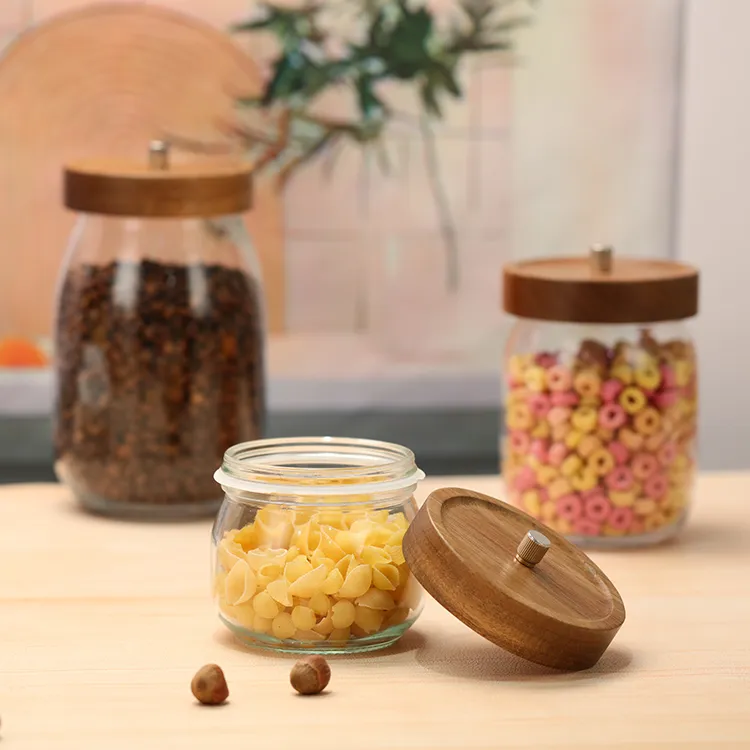
Glass stands out because of its smooth, non-porous surface. Cleaning it becomes much simpler than with materials that soak things in, like plastic or wood. Borosilicate glass shows strong resistance to heat and chemicals. It handles sour, basic, and greasy items without breaking down. This ensures reliable work with all sorts of foods for a good while. It also copes with changes in temperature without splitting. Take the Glass Containers with Bamboo Lids, for example. They use top borosilicate glass that holds up well even when temperatures shift. The square high borosilicate glass jar comes with a wide mouth. This lets you reach inside easily. It also makes refilling straightforward.
How Does Transparency Enhance Hygiene?
The see-through quality of glass lets you check food without lifting the lid. This cuts down on extra touching. You can spot what’s inside fast. No need to open it up and risk bringing in dirt. As such, it lowers the danger of contamination. It does this by cutting back on times you remove lids or mix up what’s stored.
Spill Prevention Through Design Innovation
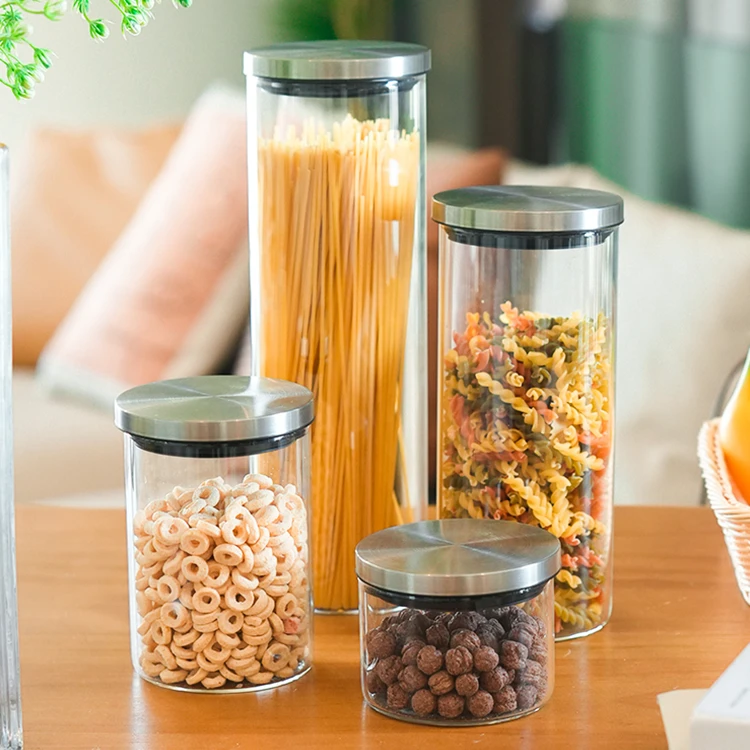
Seals that block air completely play a key role in keeping things clean and stopping spills. Built-in rubber parts make sure nothing leaks out, whether it’s thick stuff or liquids. Bamboo lids with silicone rings form a firm block. They keep out wet air and oxygen. Our jars include a high-end bamboo lid. It offers a tight seal. This keeps food fresh much longer. You see this in items like the Glass Jars with Bamboo Lid. They mix style with real usefulness.
What Shapes Improve Storage Efficiency and Safety?
The form of a container affects how well it uses space and stays steady. Square bottoms give a solid hold on shelves. They nest close together in cupboards or fridges. Square jars help save room in storage areas. You can spot contents right away. Their build reduces the risk of knocking them over. Plus, you can stack them upright.
Can Glass Containers Handle Heat Without Cracking?
Indeed, borosilicate glass gets made for dealing with heat well. Designs that take heat stand up to warming without breaking. They work safely in microwaves or ovens if needed. This means no switching food to another dish. Such moves often cause spills in the kitchen.
Maintenance Practices That Preserve Safety Standards
Do not let bamboo lids sit in water. Rinse them fast instead. Then dry them well. Checking often keeps your storage safe. Look for breaks, small breaks, or worn seals on a regular basis. Even tiny issues can weaken the tight fit. They might let germs in through damaged parts. Swap out old lids or broken containers right away. This avoids health dangers down the line.
Environmental Benefits Supporting Long-Term Use
Glass containers can get used again and again for many years. Their strong build holds up through lots of cycles without wearing out. This cuts the need for throwaway plastics a great deal. Those add up to big waste in homes. People who care about the planet gain from picking options that last. They fit into larger plans for green living.
Can Glass Containers Be Recycled Efficiently?
Yes, glass recycles very well. It is 100% recyclable without losing quality through many rounds. Plastics often weaken after one recycle. But glass keeps its strength forever. This helps build a system where materials loop back into use.
SinoGlass: A Trusted Supplier of Kitchenware Solutions
Finding clean and tough kitchen storage starts with a maker who knows quality and new ideas. SinoGlass began in 2000. Since then, it has grown into a top name worldwide. They design and make great home items that join beauty with purpose.
With more than 20 years in making things and four modern plants, including spots in China and Thailand, SinoGlass supplies fine kitchen tools for today’s life. They stick to strict checks on quality. Every item hits global safety rules like FDA and LFGB certifications.
From containers that do not leak to jars that stack well for fridge setup, SinoGlass thinks about details and green materials such as borosilicate glass and bamboo. Their Glass Containers with Bamboo Lids show this well. They blend nice looks with real work through tight seals and designs that save space.
Key Insights on Glass Container Safety
Their surfaces that do not react fight germ growth and chemical release well. Glass resists smells, marks, and breakdown. This makes them the best for secure storage over time. Tight seals paired with shapes that stack cut spill chances a lot. Features like wide openings make daily tasks easier. Checking regularly and handling with care make them last longer. All this without losing cleanliness.
FAQ
Q1: How many employees does SinoGlass has?
A1: There are a total of 500 staff, including 50+ engineers, 50+ sales staff, 30+ QC personnel, and numerous manufacturing experts
Q2: What is SinoGlass size?
A2: 3 different floors, each floor is 7500 square feet.
Q3: What is SinoGlass size and capacity?
A3: The three local factories and one factory in Thailand have a combined area of 140,000㎡, with an annual output of 100 million pieces.