
If you’re running a busy kitchen—whether in a lively restaurant or a small but active home—you know the everyday problems of mess, risks of cross-contamination, and poor workflows. A messy storage setup slows down service. It also raises spoilage rates and hurts safety. That’s why good kitchen storage and security matter more than looks. They form the base for your kitchen’s work, cleanliness, and rules.
You require fixes that smooth out tasks. These fixes must also follow tough food safety rules and fit changing demands. That’s where pro-level supplies, tight seals, and flexible setups step in. They are not extras. They are must-haves for top work in home and business spots.
How Can You Optimize Space in a High-Demand Kitchen?
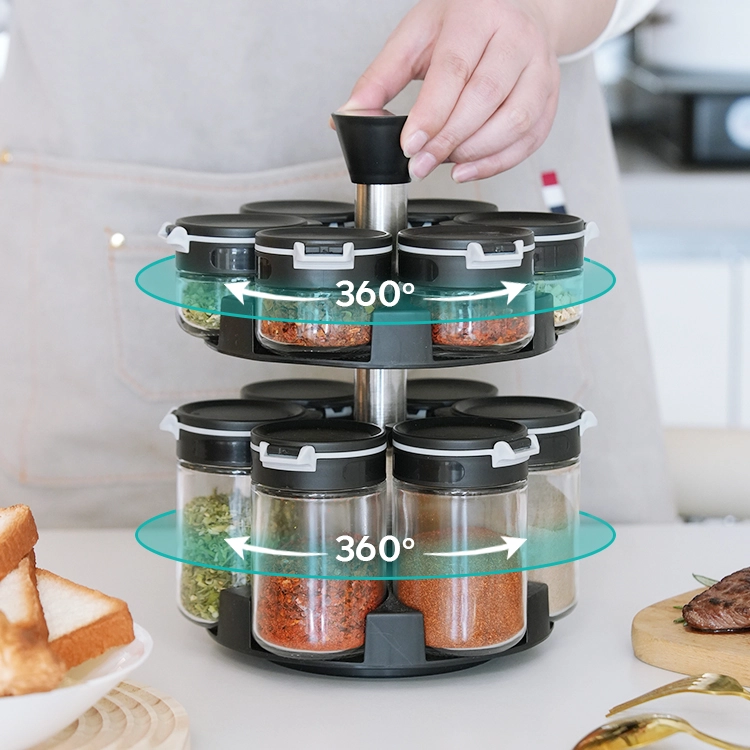
Space often feels tight. In such cases, every bit counts. Tall stacking setups let you use height wisely. This works well in pantry or cabinet areas. Slide-out shelves and drawer splitters boost sight and reach. Thus, no food or tool hides in the back.
Flexible storage pieces hold great value. They grow with your kitchen. If you add fresh tools or switch menu items, these units let you adjust without a full redo. Drawer splitters and slide-out shelves improve reach and order.
What Materials Truly Support Hygiene and Long-Term Use?
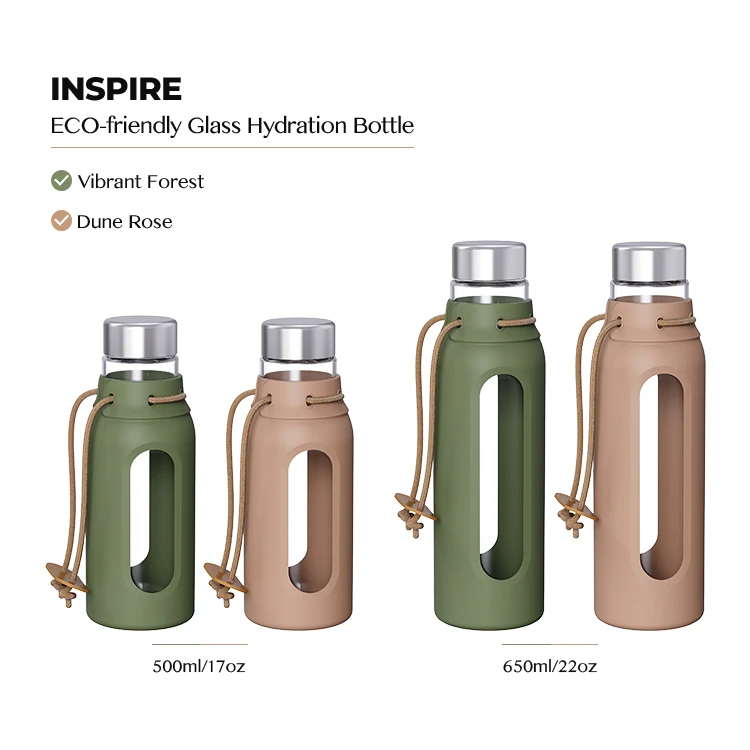
Storage supplies differ a lot. In pro kitchens, cleanliness is key. You need supplies that clean easily. They should lack pores and resist marks and germs. Glass works great for clear views and chemical fight-back. Stainless steel gives strong lasting power. BPA-free plastics offer a light choice for dry items.
Glass, stainless steel, and BPA-free plastics stand out for food safety. Heat-proof supplies aid safe keeping near cooking spots.
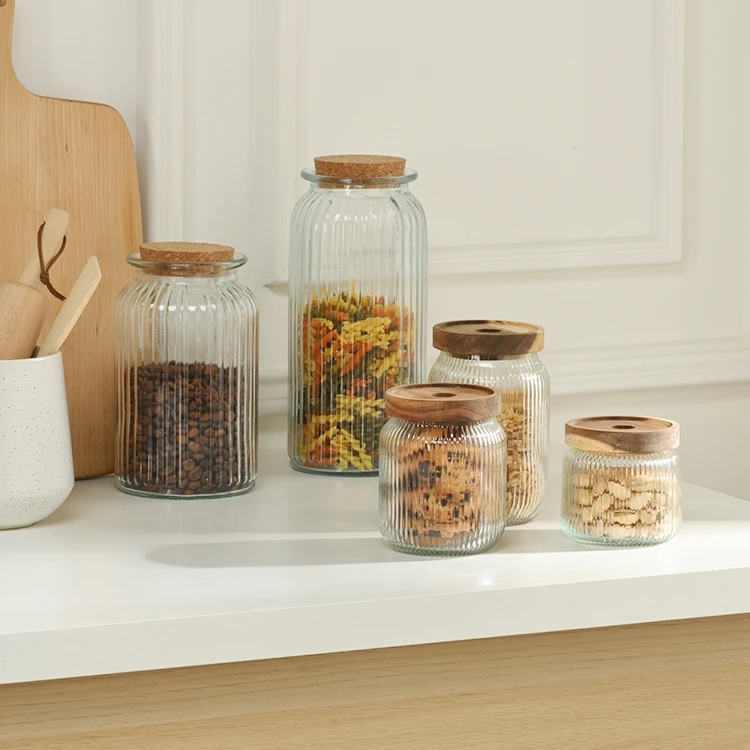
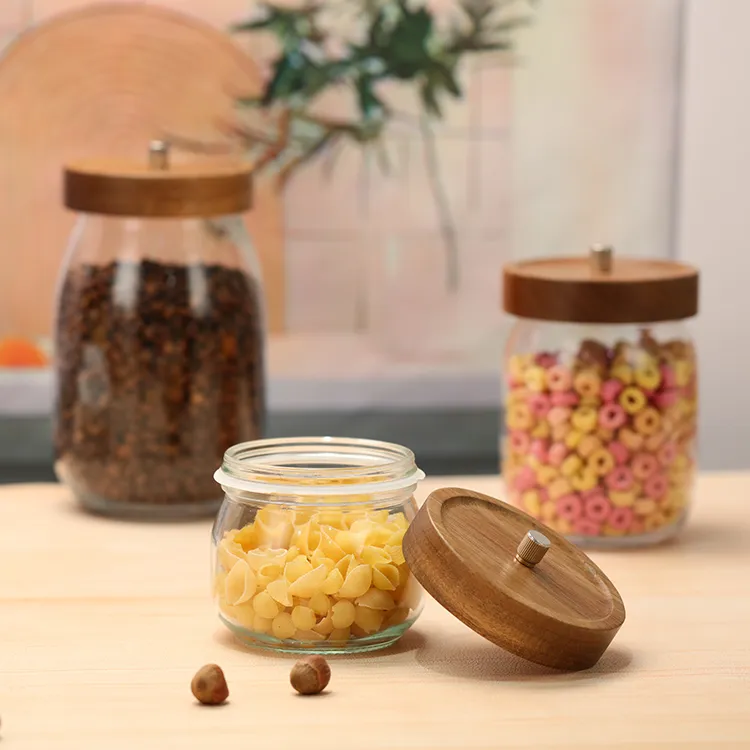
Items like borosilicate glass containers with bamboo lids blend use with style. The square high borosilicate glass jar has a broad mouth. This makes access and refill simple. Also, their bamboo lids feature silicone seals. These ensure tight storage. Such a trait keeps things fresh.
How Should You Organize Based on Usage Frequency?
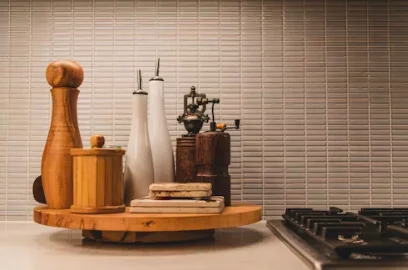
A working kitchen needs smart placement. Put items where they fit best. Often-used things—like oils, tools, or prep bowls—go within easy grab. Save top shelves or far storage for rare items like holiday bake tools or special gear. Often-used items should sit at eye height or arm’s length.
Group like items together. For example, baking tools or morning supplies. This speeds things up. It also clears your mind in busy times.
How Do You Secure Your Ingredients and Equipment?
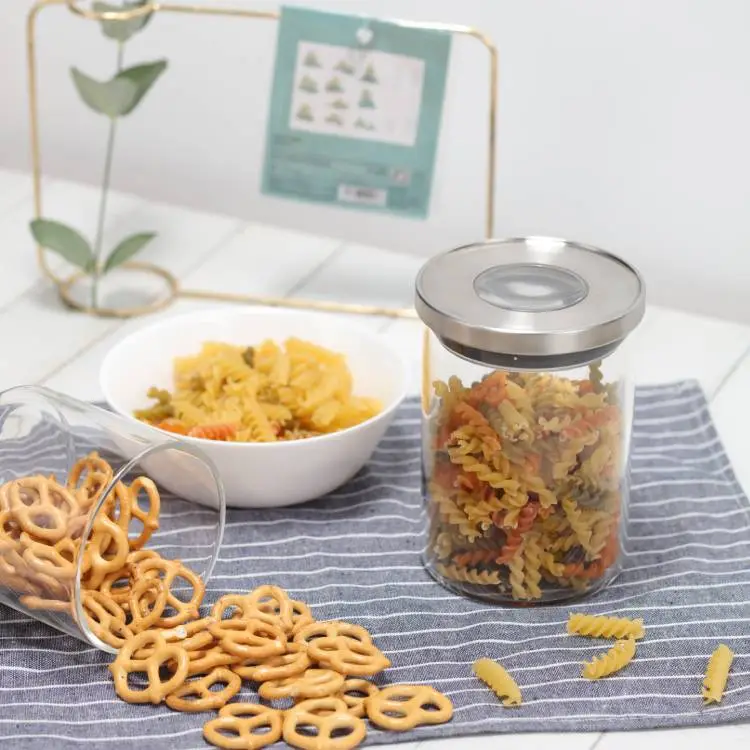
Food safety goes beyond dates. It means stopping dirt before it starts. Tight containers are vital. Their seals block pests, dampness, and smells. Clear jars—like glass jars with bamboo lids—let you spot freshness without lifting lids.
Locking cabinets matter in spots with risky items like knives or drinks. Think about adding RFID entry or finger-scan locks. These limit use to approved staff only. RFID or biometric access solutions prevent unauthorized usage.
Fire safety starts with picks. Non-burnable containers near hot areas cut danger. Good air flow stops fume build-up in closed spots.
Can Kitchen Storage Be Both Sustainable and Efficient?
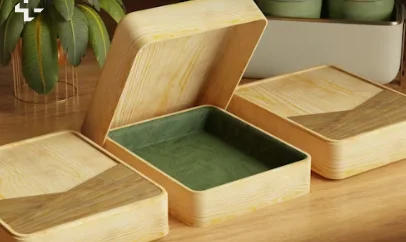
Modern kitchens balance work with green choices. Supplies like bamboo give a renew option over plastic tops. High-quality bamboo lid with silicone sealing ring. Glass containers cut the use of throw-away packs. They also hold up through many uses.
Clear containers help avoid extra buys. You see stock easily. Stackable shapes use space well. They lower waste from crowding. Reusable packaging cuts reliance on single-use wraps or bags.
What’s the Difference Between Residential and Commercial Storage Needs?
Home kitchens often face size limits. Looks matter here. Folks like jars that fit room styles or eating areas. Business kitchens focus on tough supplies for steady use.
Plans stress quick work, clean habits, and smart flow. So, stainless steel tops, open racks for fast grabs, and washable containers rule. These aid cleaning between shifts.
How Does the Kitchen Layout Influence Your Storage Strategy?
Open kitchens—like in coffee shops or display spots—need looks and work in balance. Storage must seem nice yet do the job. Clear glass jars with chic bamboo lids fit well. They appear classy. At the same time, they lock in newness.
Shut back-area kitchens can stick to pure use. Strong containers, metal rack units, and plain labels lead. They clean easy and work fast.
How Do You Keep Your Storage Performing Over Time?
Each supply needs its care plan:
Glass Containers: Dishwasher safe but require careful handling to avoid breakage.
Bamboo Lids: Hand-wash only; must be dried thoroughly to prevent mold.
Stainless Steel Units: Resistant to staining but benefit from regular polishing.
Digital stock tools ease refills. They track end dates with barcodes or RFID. This proves key in big setups.
Who Can You Rely On for Premium Kitchen Storage Solutions?
If you seek solid, fresh kitchen tools built for work and green ways, look at SinoGlass. They bring over 20 years of making know-how. Plus, they hold world approvals like FDA, LFGB, REACH. Their items center on tight seals, stackable fits, and earth-friendly plans.
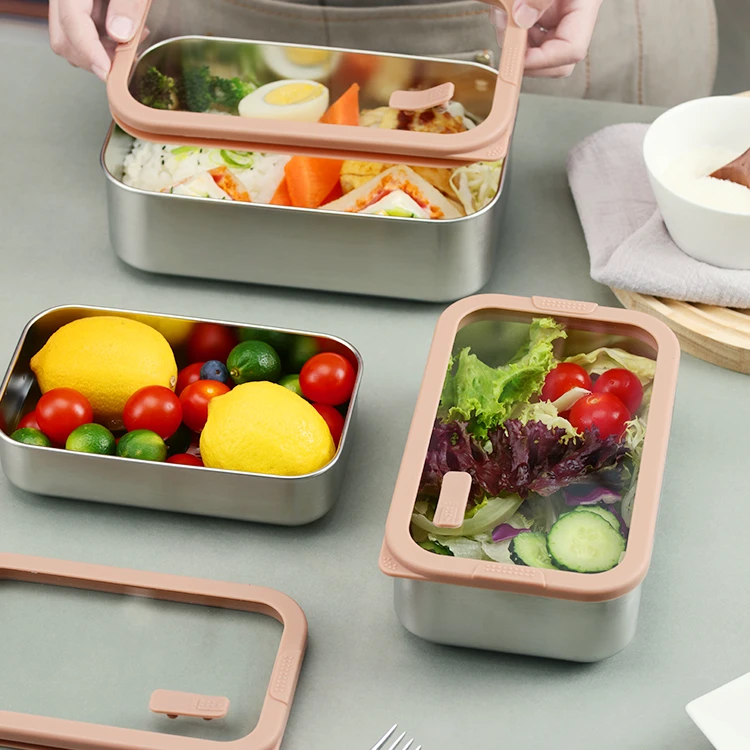
Our jars come with a top bamboo lid. It brings natural grace to your space. Be it for a fresh eatery or home shelf upgrade, their range—from glass jars to stainless steel lunch boxes—mixes strength with fresh looks.
FAQ
Q1: What is the best way to prevent mold growth on bamboo lids?
A: Always hand-wash bamboo lids with mild soap, avoid soaking them in water, dry them completely after washing, and store them in a well-aerated environment to prevent moisture accumulation that leads to mold.
Q2: Are glass containers suitable for both hot and cold food storage?
A: Yes, tempered glass containers can typically handle a wide range of temperatures; however, sudden thermal shocks (e.g., moving from freezer to oven) should be avoided unless the container is specifically designed for such use.
Q3: How can I ensure my commercial kitchen meets safety regulations through storage design?
A: Use food-grade materials certified by relevant authorities, implement airtight containment systems for perishables, install lockable cabinets for hazardous items, maintain clear labeling practices, and incorporate fire-resistant materials where necessary.