
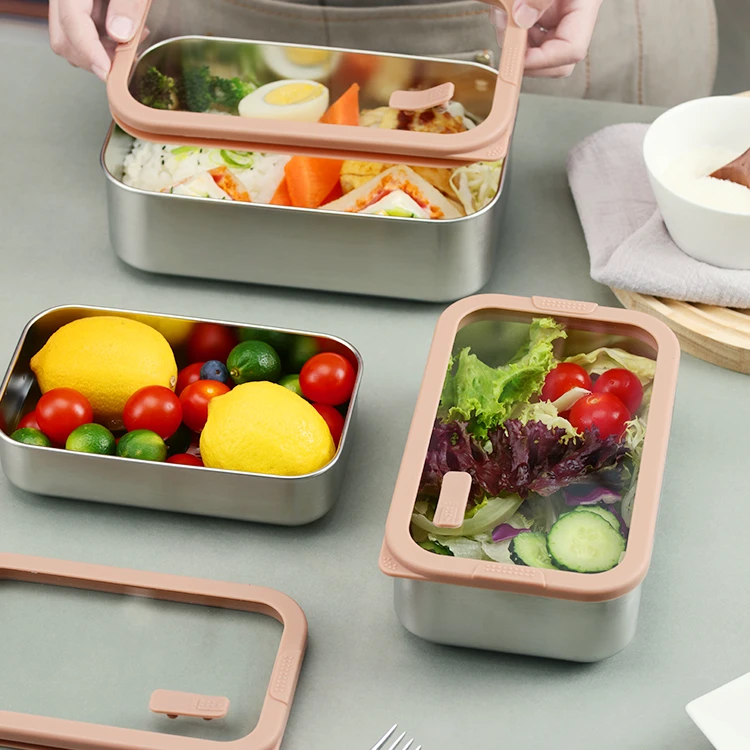
In any fast-paced kitchen, whether it’s for home use or business operations, a smooth workflow depends on blending storage and security setups well. Good designs go beyond just holding ingredients and tools. They shape how people move around, keep food fresh, and avoid expensive mistakes. Smart storage cuts down on mess, makes grabbing ingredients quicker, and lowers the number of extra steps between work areas.
How Does Spatial Planning Influence Workflow Optimization?
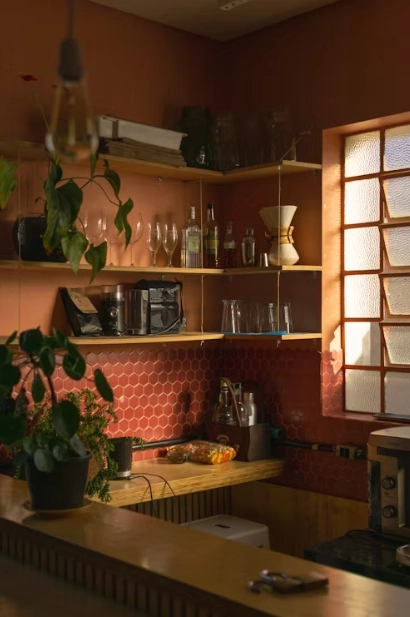
Breaking the kitchen into separate sections for prep, cooking, washing, and storage smooths out the flow of tasks. Plus, it supports sticking to hygiene standards. Think about putting prep spots right by the cold storage unit. Doing so cuts down the steps needed for fresh supplies, which in turn lowers the risk of germ spread.
Pairing this layout method with practical gadgets, such as rotating spice racks and magnetic spice jars, proves most effective. Keep regular spices handy near the stove. At the same time, they prevent countertop clutter. Firm lines dividing the sections help minimize worker path overlaps.
How Does Storage Accessibility Directly Impact Movement and Ergonomics?
Place everyday items at a level from waist to eyes, which keeps excessive bending or overhead reaching to a minimum. Options like pull-out drawers or turning shelves in lower cabinets allow simple access to goods in deep or remote areas.
What Materials Offer the Best Combination of Hygiene and Longevity?
Smooth options, including stainless steel and glass, work great in areas requiring top-notch cleanliness. Such surfaces restrain microbe buildup, wipe clean with ease, and withstand typical kitchen temperature shifts.
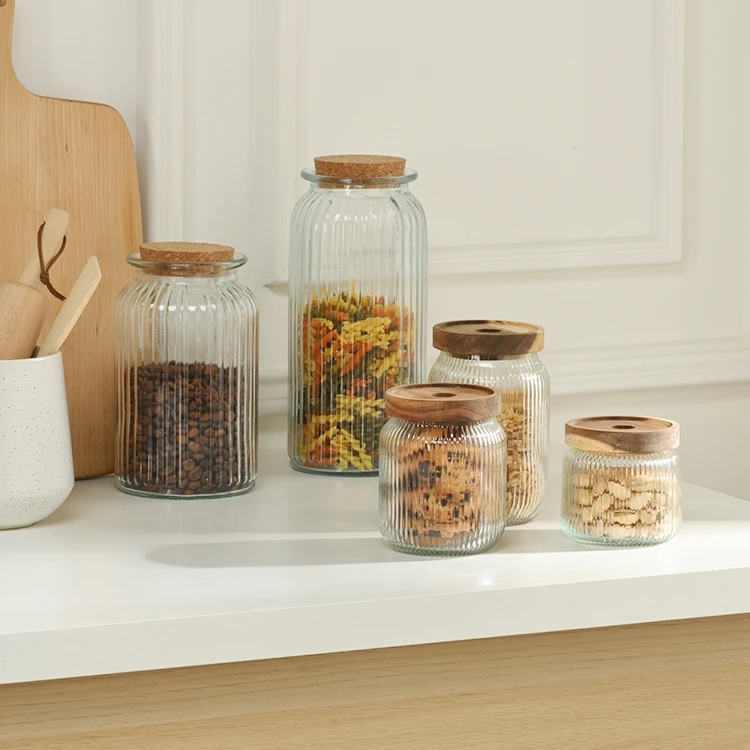
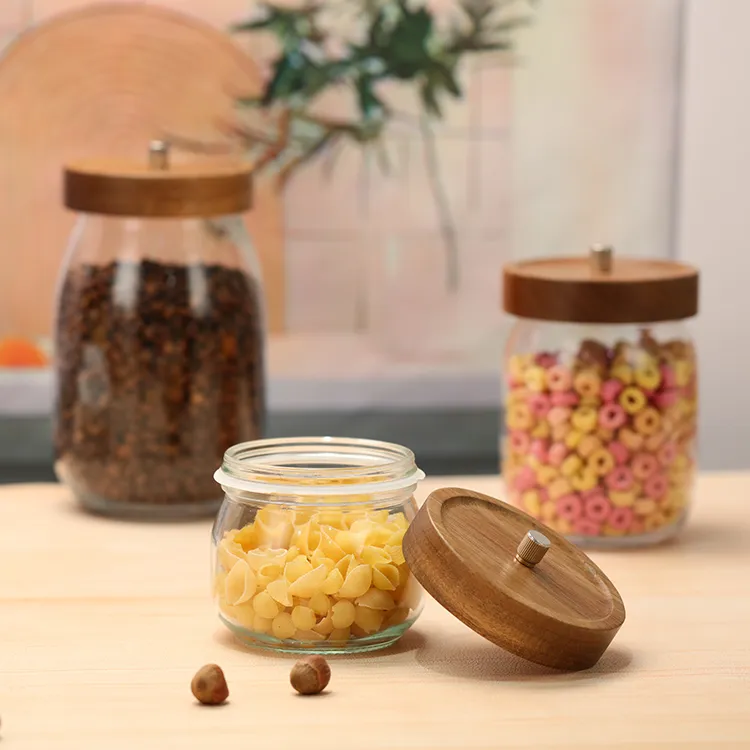
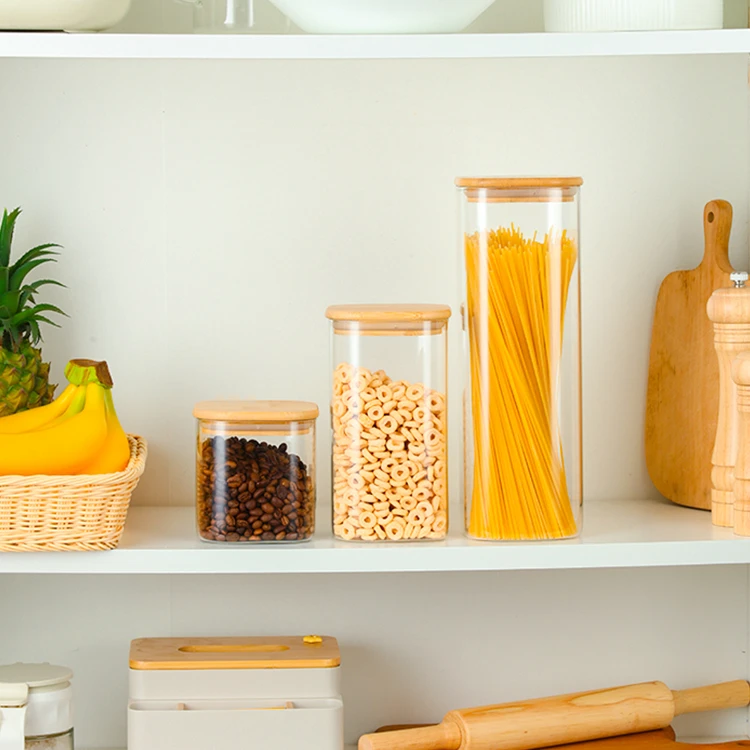
Sleek choices like glass and stainless steel prevent microbes from gaining a foothold. Bamboo lids bring an appealing look, though keeping them moisture-free is key to avoiding mold. That’s why items such as glass containers with bamboo lids gain traction in residential spaces and high-end hotel setups. They blend visual appeal with reliable function.
How Do Modular Systems Support Scalability in Growing Kitchens?
Adaptable containers shift with changing kitchen requirements, while their nesting design saves space on storage racks. Additionally, it simplifies viewing the contents. Clear walls on these units hasten inventory checks. They further promote First-In-First-Out (FIFO) practices for stock rotation. And these adaptable features align with eco-friendly aims, since they reduce surplus spending and improve waste control via better organization.
Can Security Features Enhance Workflow Efficiency?
Tight seals keep ingredients fresh through long prep sessions, and they also block smells from spreading around. Plus, lock systems add safety for things like liquor or items that could cause allergies. Signs of tampering help track items in pro kitchen settings, which proves key for places dealing with risky foods or following HACCP rules.
How Can Secure Placement Prevent Accidents?
Grip bases hold containers steady on steel counters or rolling carts, which lowers the chances of spills. Likewise, wall racks keep sharp tools out of the way but handy for serving meals. Firm lid styles matter a lot in cool storage or when moving goods to avoid drips and dirt.
How Does Ergonomic Design Reduce Fatigue in Kitchen Staff?
Putting heavy stuff at the hip level eases lifting strain. Sorting tools by purpose, like keeping all baking gear near blenders, cuts thinking time and extra steps. Comfort grips on products like stainless steel lunch containers allow repeated handling without ache.
How Do Visual Cues Speed Up Task Execution?
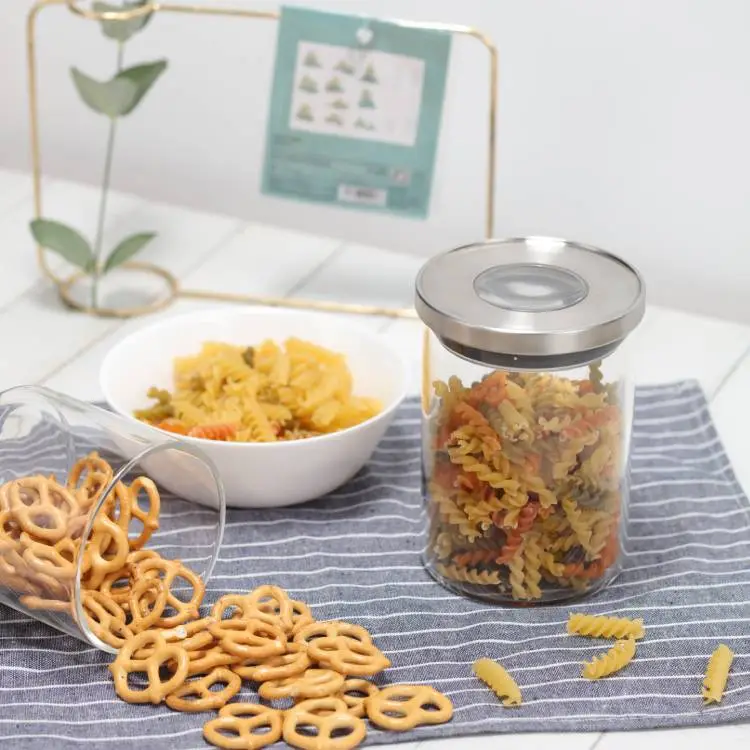
See-through jars show contents right away, which skips guessing in busy times. Simple label setups speed up finding ingredients. Colored tops or areas can signal allergens or due dates, and they lower mistake risks when things get hectic.
Is Smart Technology Shaping Modern Kitchen Storage?
Clever containers with built-in sensors warn when supplies drop low or food goes bad. Linked to online systems through RFID tags, they track items live across storage spots, which suits even setups with multiple kitchens. Such features matter a lot for restaurant groups handling stock in various places.
What Benefits Do Digital Locks Bring to Shared Kitchens?
Locks run by apps record who opens a container and at what time, which builds trust in group spaces like cooking classes or shared work kitchens. Digital records offer proof trails useful for safety checks.
Can Storage Contribute to Sustainability Goals?
With clear views inside containers, people tend to use existing stock before buying more. FIFO practices get simpler when shelves show dates and contents plainly.
Which Materials Balance Eco-Friendliness With Practicality?
Glass containers with bamboo lids blend cleanliness, green benefits, and good looks nicely, and they work well with tight silicone seals. In business settings, stainless steel food storage units deliver tough strength and full recyclability. Reusable spice racks cut down on throwaway packs. At the same time, they make bulk spices easier to reach.
SinoGlass: A Reliable Partner for Professional Kitchenware Solutions
For experts looking for full packages in kitchen storage and workflow boosts, SinoGlass brings top value via its focused making skills. With more than 25 years of shaping fine kitchen goods, SinoGlass stands as a world frontrunner by joining beauty with solid work.
Their lineup covers from tight containers to oil pourers, grinders, tumblers, and flexible spice racks. Each piece thinks of cooks and custom makers. Started in August 2000, SinoGlass Group has built and shared top home items for 25 years, and they combine planning, testing new ideas, building, and selling.
With modern making sites in China and Thailand, plus a firm base in custom work, SinoGlass backs made-to-fit fixes for exact workflow needs, which holds for home setups or big hotel operations.
FAQ
Q1: How does airtight food storage improve workflow efficiency?
A1: Airtight containers preserve ingredient freshness longer, reducing spoilage-related delays during meal prep while minimizing trips to restock supplies.
Q2: What materials are recommended for hygienic yet durable kitchen storage?
A2: Glass and stainless steel are ideal due to their non-reactive surfaces that resist stains and bacteria; bamboo lids add aesthetic value but require dry conditions to prevent mold.
Q3: Can smart kitchen storage systems be integrated into existing designs?
A3: Yes, modular smart containers with sensor technology can be incorporated into most existing setups without major renovations; they enhance monitoring without disrupting current workflows.