
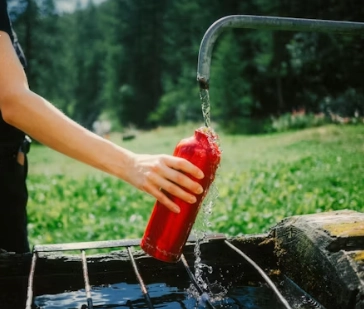
Travel tumblers have shifted from being specialized add-ons to becoming vital everyday partners for many people. They come in handy for things like sipping coffee on your way to work in the morning. These containers make drinking easy while you’re moving around. Plus, they cut down on throwaway plastic items that harm the environment. A good travel tumbler brings real worth in more than just ease of use. It also shines in keeping drinks at the right temperature. It ensures safety for your health. And it supports eco-friendly habits. The substance used to create the tumbler plays a big role in how well it handles all these tasks. That choice affects everything from how long heat or cold lasts to how safe it is for daily drinks and its overall green footprint.
What Are the Key Material Options for Travel Tumblers?
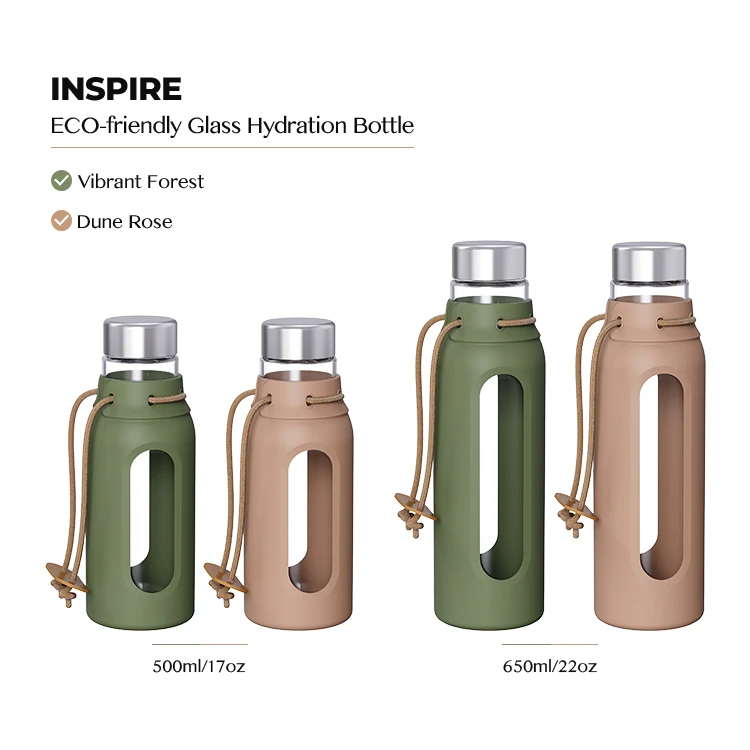
Builders of travel tumblers mainly rely on glass, stainless steel, and plastic as their core materials. These show up in how it holds temperature, stands up to rough handling, keeps things safe, feels during use, and affects the planet.
How Do These Materials Perform Thermally?
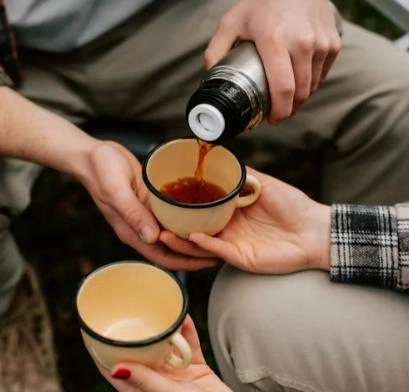
Stainless steel does a great job thanks to the way its vacuum insulation traps air and blocks heat flow. It beats glass and plastic by a wide margin in keeping things steady. For example, tumblers made with two layers of stainless steel hold onto hot drinks like coffee for hours without much cooling. However, they lose warmth faster through direct touch points. This happens most at the spots where seals meet the body or where lids screw on. Plastic comes in last here. It barely keeps temperatures stable. So, it works better for quick moments. Think of grabbing a fast drink while working inside at your desk without needing it to last all day.
How Stable Is the Temperature Over Time?
Stainless steel keeps hot or cold drinks at their level for quite a while. Glass tumblers do okay in this area, too. But they might get sweaty on the outside from moisture buildup if they lack extra wrapping for protection. Plastic drops its hold on temperature in no time. This stems from its weak ability to block heat changes from the air around it.
Which Material Lasts Longer Under Daily Use?
Stainless steel takes hits well and stays solid over many uses. That quality makes it for tough spots like construction sites or bumpy car rides. Glass holds up better with added strength from borosilicate makeup or heat-toughening steps. Still, it breaks easily under force from bumps or falls. Plastic handles knock more than glass does.
How Long Can You Expect Each Material to Last?
You won’t see much breakdown in its form or function. Glass has that same potential for the long run. Just use care when picking it up or washing it to avoid cracks, and keep up with wipes to stop buildup. Plastic tumblers, on the other hand, start looking beat up fast. Scratches appear on the surface. Colors fade from washing. All this shows within just a few months. So they don’t hold up well for ongoing needs over seasons or years.
Is the Material Safe for Health and Hygiene?
Food-grade stainless steel in types 304 or 316, as well as glass, stays neutral. This keeps flavors true and avoids any bad tastes seeping in. Glass stands out for not changing the taste at all. It lets you enjoy drinks as they are meant to be. Plastic brings worries if it’s not free of BPA or faces lots of heat. Some kinds release tiny bits of stuff into your drink. This risk grows without those safety marks or under hot conditions like microwaving.
How Hygienic Is Each Material?
Stainless steel fights off germs well if you wash it right each time. Glass cleans up simply with soap and water. But make sure it dries fully, especially around the top and edges, to stop fuzzy growth from damp spots. Plastic holds smells and marks longer than the others. Over days or weeks, those spots can turn into places where bugs thrive if you skip deep scrubs.
What Is the Environmental Cost of Each Option?
Stainless steel goes back into the loop completely. Factories pull most of it back for new items with little waste. Glass is recycled, too. But it needs sorting by shade and whole pieces for the best results without much loss. Plastic’s reuse hinges on its makeup. Lots of sorts get turned into lower-grade stuff instead of full fresh starts. That cuts their green score quite a bit.
What About Their Carbon Footprint?
Making stainless steel takes a lot of power upfront. But its long life means less remaking, boosting green points over time. Glass pulls from common stuff like beach sand. Still, it needs a lot of heat to shape, which adds to air pollution. Plastic is made from oil dug from the ground. It pumps out more smoke in the early steps of building it.
What’s the Daily User Experience Like?
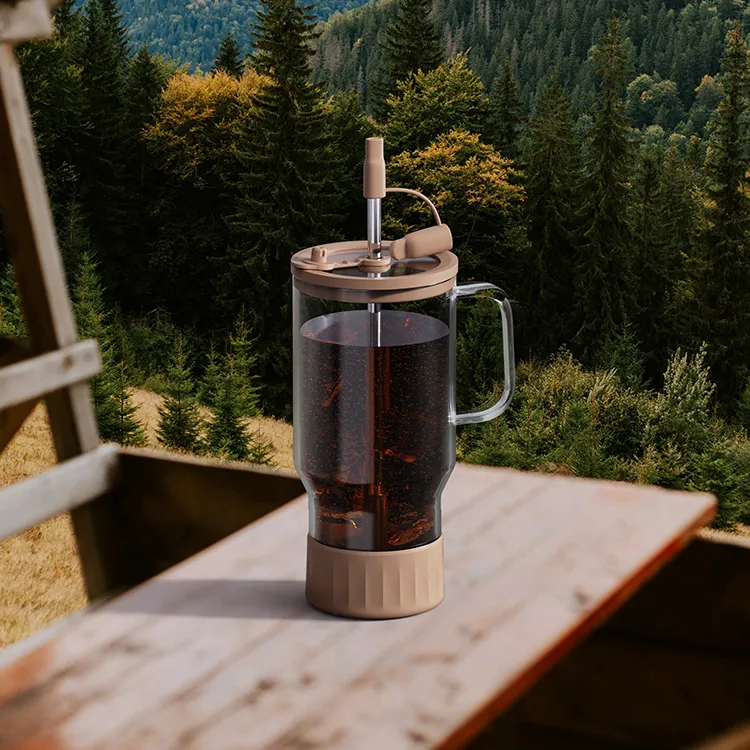
Plastic ones weigh the least. You can slip them into a bag or pocket without noticing. Glass feels heavy in your hand, more so if it has two walls for extra protection. Stainless steel gives a firm build but adds pounds. Yet smart styles like the Stainless Steel Tumbler with Retractable Straw mix look and use well. They add hand-friendly holds and snap-close straw tops that stay put.
Can Users Customize These Tumblers Aesthetically?
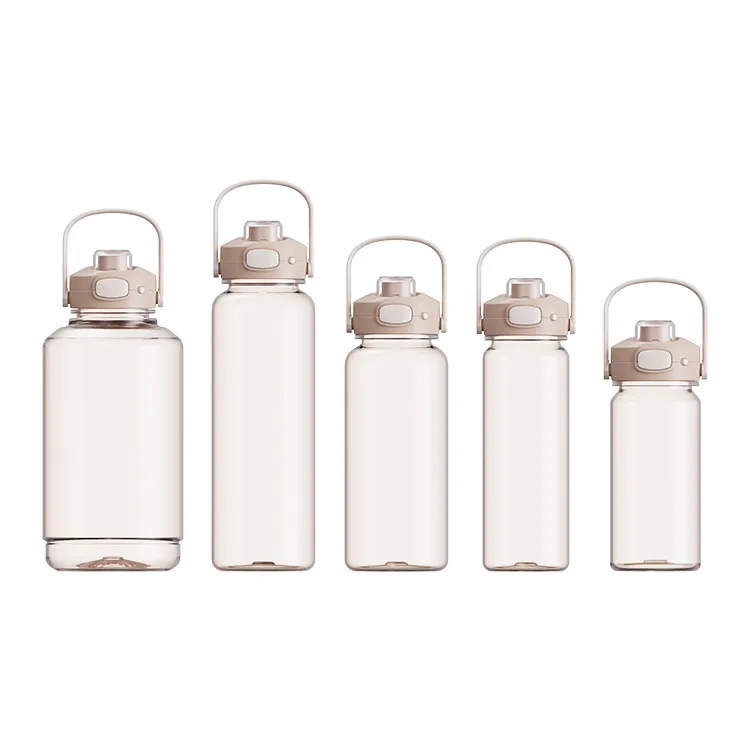
Stainless steel lets you add baked-on colors or carved designs. Glass shows what’s inside clearly. Pair it with colorful rubber covers and drawn pictures for flair. Plastic shapes easily into fun forms and bright shades. It fits young crowds or company logos perfectly.
What Maintenance Does Each Material Require?
Stainless Steel: You can put it in the dishwasher. Just skip cleaners with bleach to keep it nice. Glass: It handles the full dishwasher run. Check the rubber parts often for cracks. Plastic: Stick to the top shelf in the machine. Skip hot settings to stop twisting.
What’s the Cost Difference?
Stainless Steel: It costs more at first. But it lasts, so you save later. Glass sits in the middle price-wise. That comes from the work to make it clear and strong. Plastic starts cheaply. But you buy new ones often, as they scratch up quickly.
Who Buys Which Tumbler Type?
Workers needing a steady temp all day pick stainless steel. They like ones such as the DONUT Stainless Steel Water Tumbler. Folks at home who want pure taste go for a glass with a borosilicate build. Those who watching money or use it lightly choose light plastic. It focuses on easy carry over long hold.
SinoGlass: A Partner in Premium Drinkware Solutions
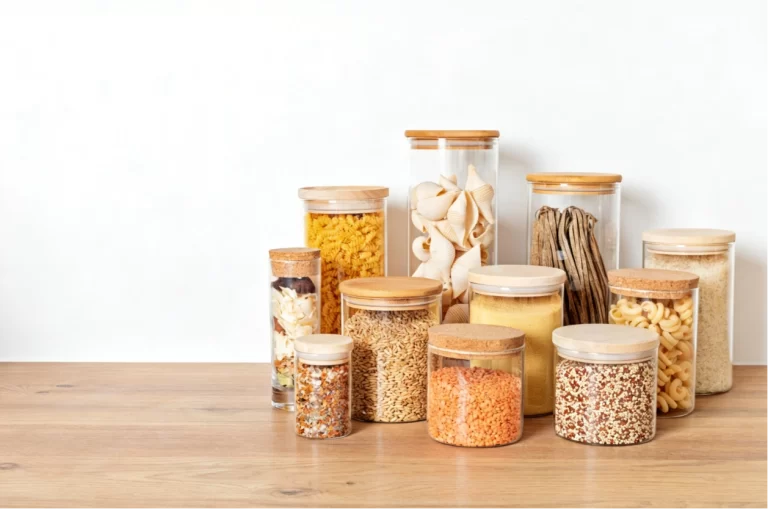
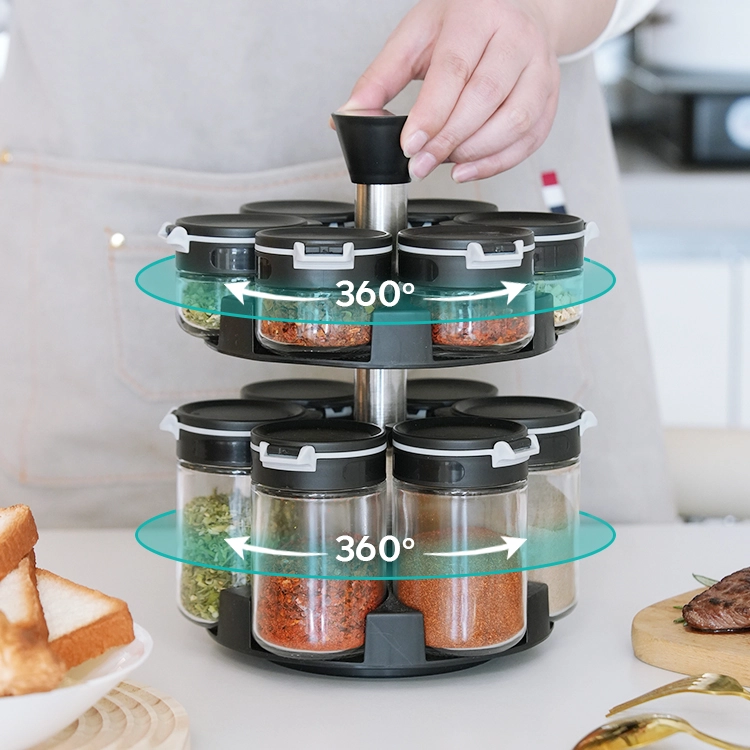
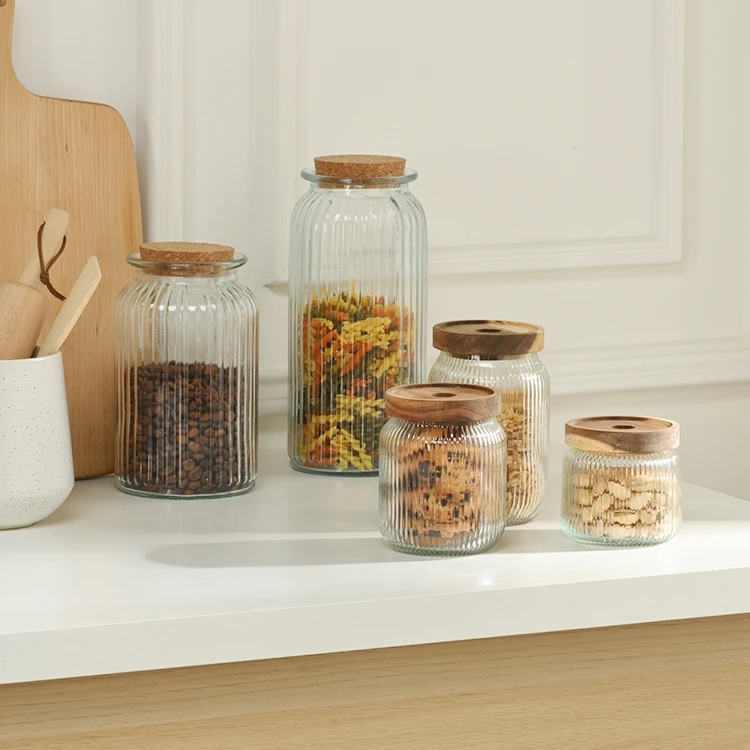
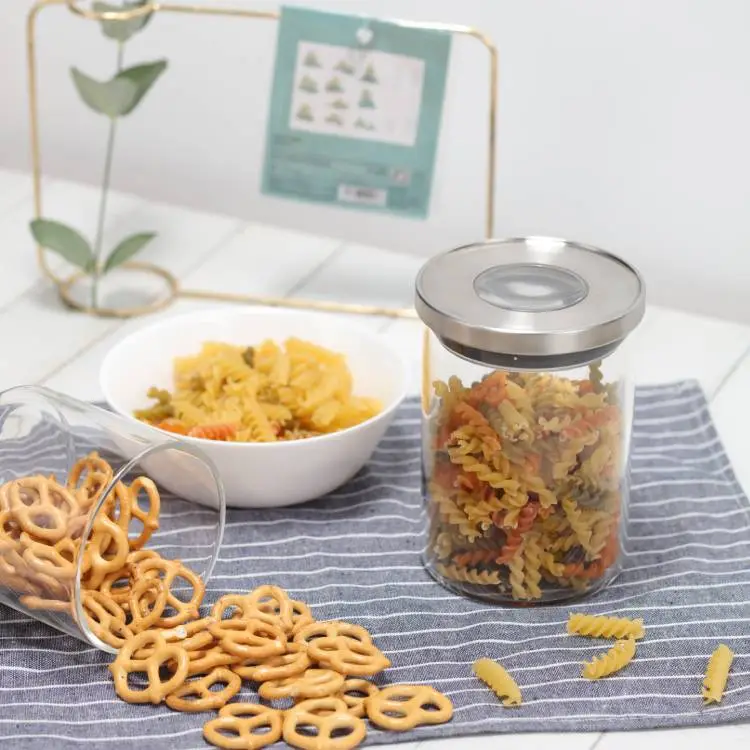
For more than 20 years, SinoGlass has led the way in new ideas for kitchen and drink items. Bases in China and Thailand help blend planning, testing, making, and selling all in-house. This setup keeps quality even in stainless steel, glass, and safe plastic lines. It also gives growing custom services to buyers everywhere. We create and build goods in many areas. That includes jars for food keep, bottles for oil, and ones for spices. So clients from all over can get everything in one go.
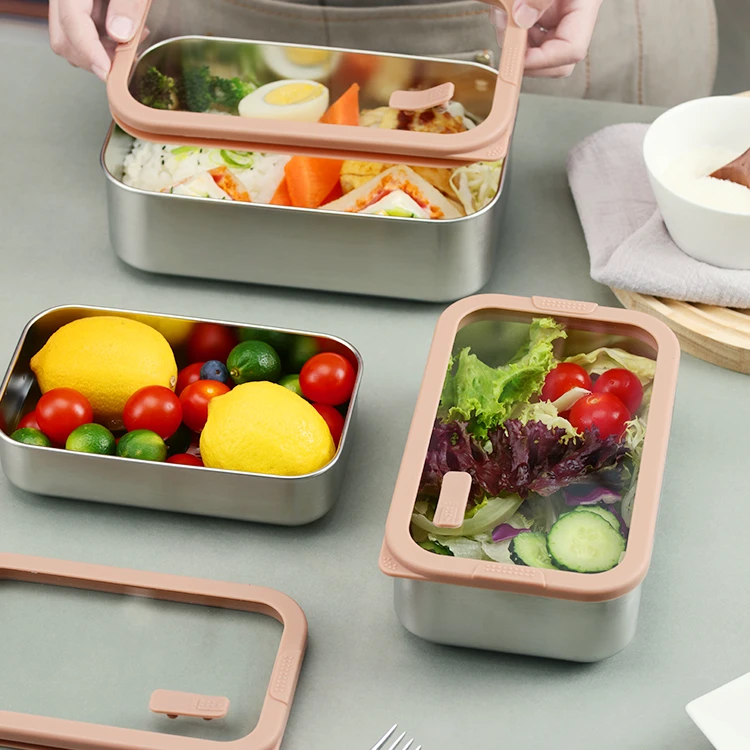
Sustainability drives SinoGlass’ work. Lean ways cut down on trash in manufacturing. Top labs check for safe rules from the FDA and LFGB. Each item shows care for good work and the right choices. Our strong links let us make things from glass, stainless steel, plastic, silicone, and other materials with no hassle.
Summary Comparison of Travel Tumbler Materials
| Feature | Glass | Stainless Steel | Plastic |
|---|---|---|---|
| Thermal Insulation | Moderate | Excellent | Low |
| Durability | Fragile | Highly Durable | Moderately Durable |
| Health Safety | Excellent | Excellent | Varies (BPA concerns) |
| Environmental Impact | Recyclable | Recyclable + Durable | Limited Recycling |
| Weight | Heavy | Medium | Light |
| Cost | Medium | High | Low |
FAQ
Q1: How many containers can SinoGlass deliver yearly?
A1: 4000 High-cube containers every year.
Q2: Can SinoGlass do custom and OEM businesses?
A2: Certainly. Not only can the company customize the product’s color, logo, pattern, packaging, etc. according to your requirements, but it also has a professional project management team to handle your OEM projects.
Q3: What formats of files does SinoGlass need if I want my own design?
A3: The company has designers. So JPG, AI, CDR, PDF, and others are accepted. We are capable of creating 3D drawings and producing 3D prototypes for you to confirm the product functions.