

As people pay more attention to chemical exposure, food safety, and environmental effects, folks really want storage options that keep things safe and good for the earth. People who buy things and those who work in the field both put kitchen storage and protection at the top of their list now. They want choices that won’t hurt health or damage the world around us. Glass stands out compared to old-school plastic or metal options. It works well because it doesn’t react with stuff inside and you can recycle it easily.
Workers in food prep, busy commercial kitchens, and even the food packaging business are moving over to glass setups for keeping things stored long-term. And this move happens because everyone watches more closely for chemicals that might leak out. They also worry about risks of contamination. Plus, the carbon footprint from throwaway packaging plays a big role in this change.
What Makes Glass Ideal for Long-Term Food Storage?
Glass won’t let chemicals seep into food. This holds true even with high heat or when things get acidic. That feature matters a lot for keeping tricky items like tomato sauce or vinegar dressings. Plus, the smooth surface on glass stops germs from growing. It also fights off stains and smells. These traits help keep clean standards high in pro kitchens.
You can use glass for dry items such as rice. Or go with it for wet stuff like oils and broths. The makeup of glass stays neutral. So it never mixes with what’s inside. In the end, this keeps the flavor of food just right. It also holds onto safety and nutrients as time goes by.
Can Glass Withstand the Rigors of Modern Kitchen Environments?
Glass holds up well in tough spots. This is true above all for borosilicate glass. That type deals with cold freezes and hot oven temps without breaking apart. Take the Square high borosilicate glass jar with a wide opening for easy access and refilling. It gives solid heat handling and real-world ease in business kitchens. On top of that, it stands against scratches and bending out of shape. So it turns into a smart buy for places that need strong work and lasting use.
Why Is Glass Better Than Plastic or Metal?
Plastics carry dangers. This is key for ones with BPA or phthalates. Heat or wear can make problems worse. Those chemicals tie into hormone issues and other body troubles. Metals last long, sure. But they might mix with sour foods. That brings on odd metal flavors or leaks you don’t want. Glass skips all those issues completely. Glass maintains food integrity without chemical interaction. So it becomes the go-to pick for keeping things from home shelves all the way to big factory food services.
What Are the Environmental Benefits of Choosing Glass?
Glass lets you recycle it forever. It keeps its clean state and strength no matter what. Plastic recycling often turns it into lesser stuff or leaves junk behind. When you reuse glass holders, you cut back on one-time use wraps. Studies on full life cycles point out that glass leaves a much smaller mark on the earth over years. This beats plastics hands down, mainly if you keep using the glass ones.
How Do Design Features Improve Glass Storage Functionality?
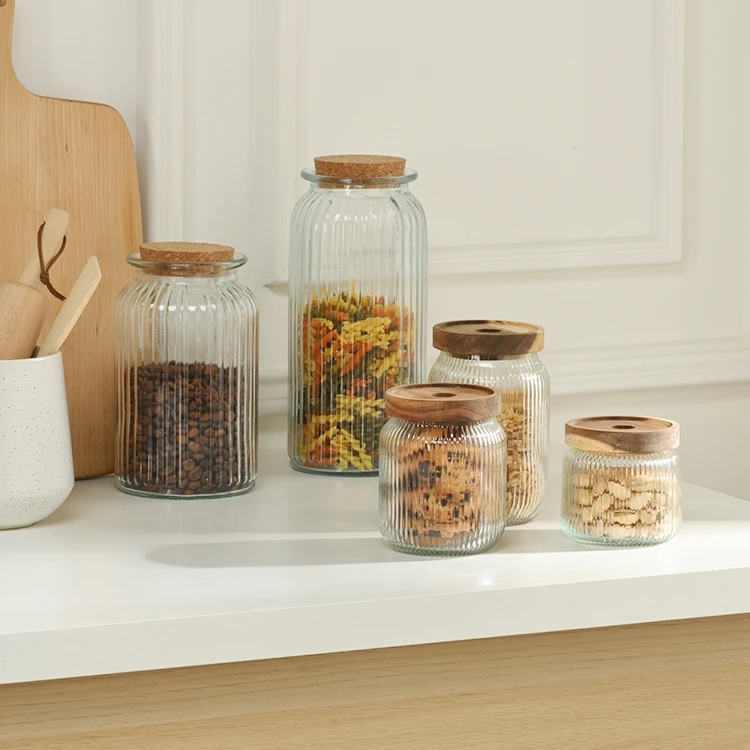
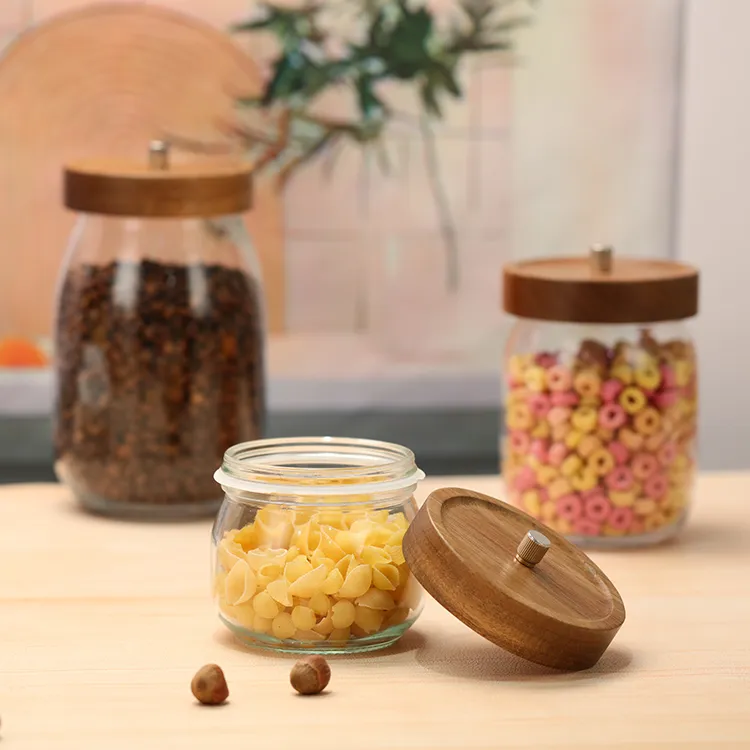
Today’s glass holders for storage add in bamboo tops with rubber seals. These make sure air stays out tight. The High-quality bamboo lid with silicone sealing ring locks in fresh taste without leaks. At the same time, it offers a green swap for plastic tops. Bamboo breaks down naturally. It grows back fast. And it brings a wood-like look to sorting out your kitchen space. If you’re seeking a product that exemplifies this design approach, consider the Glass Containers with Bamboo Lids—engineered with both elegance and practicality in mind.
How Does Shape Impact Kitchen Efficiency?
Jars that come square or box-like work better for holding stuff. They cut out empty spots on racks. Square jars save room in cabinets. They also let you spot what’s inside quick with one look. The see-through sides help check stock fast too. This proves a big plus in work kitchens where every minute counts.
How Can Users Safely Maintain Glass Storage Systems?
To make containers last longer, steer clear of big jumps in temperature. For instance, don’t rinse cold jars under hot water. Pick gentle sponges to avoid marks on the glass. Such steps help keep everything clean. They also hold the see-through quality and solid build.
How Can You Prevent Mold on Bamboo Lids?
Once you wash one, let it dry in the air all the way. Then put it back on the jar. Don’t let it sit in water long. And keep it away from too much wet time.
Where Do Glass Containers Fit Within Culinary Environments?
People at home like how glass storage looks nice and keeps health in check. This fits great in simple or green-minded kitchen setups. Pros find that glass meets tough rules for handling food. It also makes cleaning easier. These points matter a lot in spots certified under HACCP.
Which Types of Food Are Best Stored in Glass?
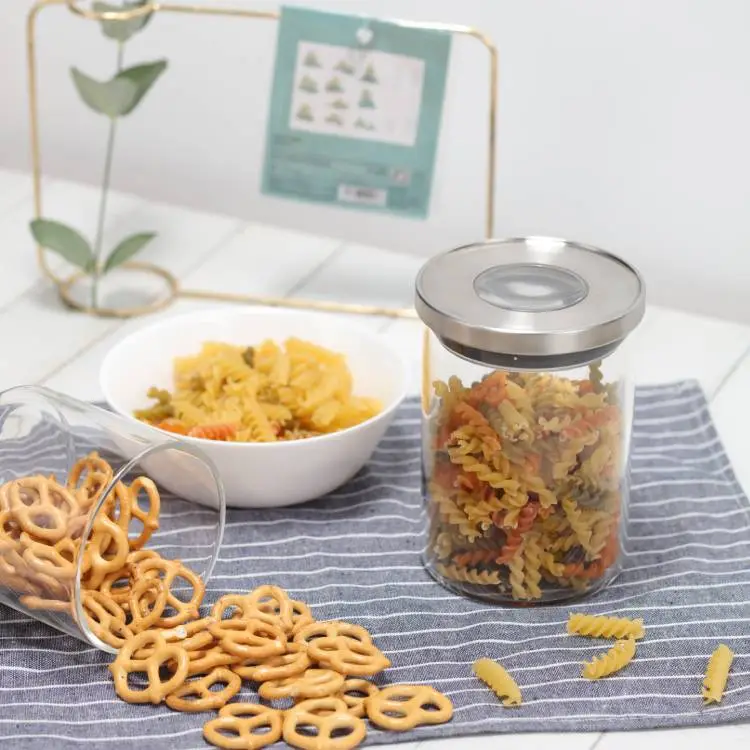
Airtight tops on glass guard dry bits like grains, spices, or beans from dampness and bugs. For runny items such as soups or sauces, the non-reactive side of glass keeps the taste true. Then for fermenting tasks like kimchi or pickles, the clear view lets you watch changes as they happen. Products like the Glass Jars with Bamboo Lid cater precisely to these needs by offering sturdy square designs in multiple size.
Who Can You Trust for High-Quality Glass Storage Solutions?
If you’re a brand seeking premium kitchen storage solutions that merge functionality with sustainable design, look no further than SinoGlass. With over 25 years of experience in manufacturing superior household products, SinoGlass integrates R&D, production, and marketing under one roof. Their offerings include precision-crafted borosilicate glass containers paired with biodegradable bamboo lids—designed to elevate both form and function in professional kitchens.
Their commitment to quality control is evident across all stages—from raw material sourcing to final inspection—and their facilities are equipped with advanced testing labs to ensure every product meets international food safety standards like FDA and LFGB certifications. Serving clients across continents through OEM/ODM partnerships, SinoGlass is trusted by global culinary professionals who value reliability and innovation.
FAQ
Q1: Can glass containers be used directly from freezer to oven?
A1: Yes, borosilicate glass can typically handle thermal transitions; however, it’s advisable to avoid sudden temperature changes that may cause cracking due to thermal shock.
Q2: How should bamboo lids be cleaned to avoid mold growth?
A2: Clean them gently by hand using mild soap, then allow them to air-dry completely before sealing the container again; avoid soaking them in water for extended periods.
Q3: Are glass containers suitable for storing acidic foods like tomato sauce or vinegar-based dressings?
A3: Absolutely. Unlike some metals or plastics, glass is non-reactive with acids, making it ideal for preserving the flavor profile and safety of such foods.