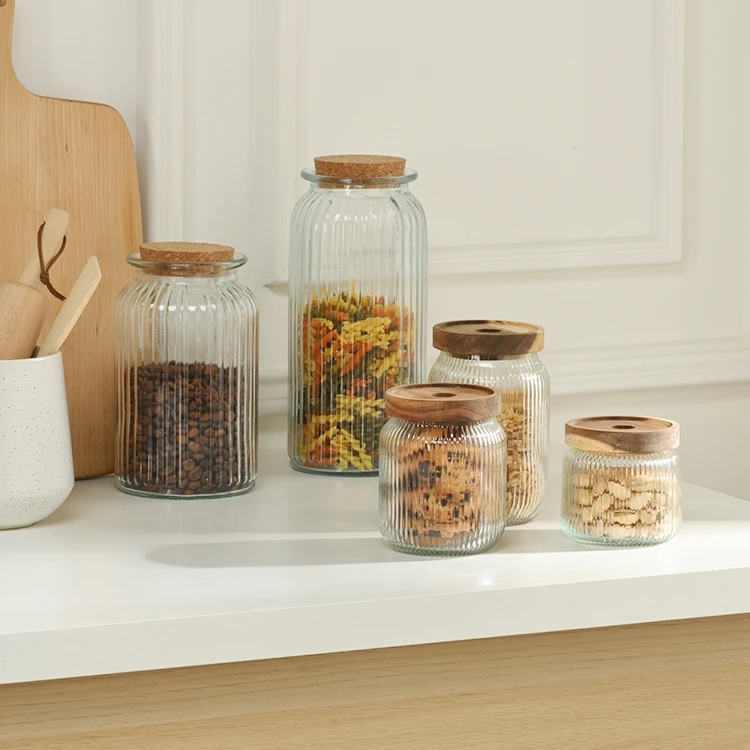

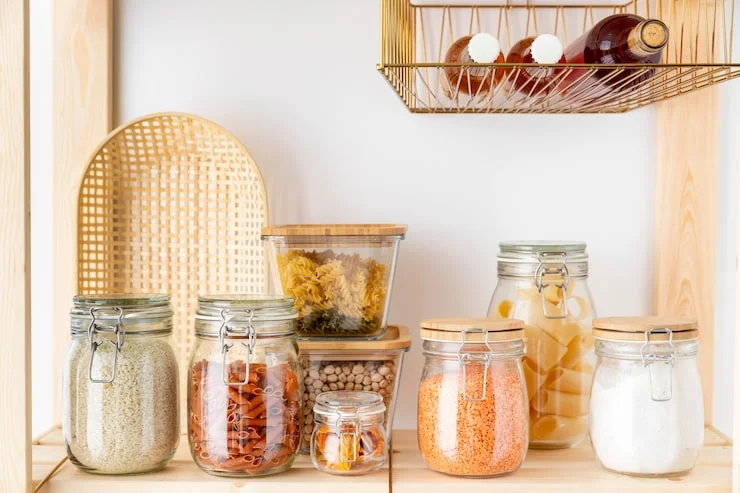
Glass storage jars with wooden or bamboo lids have exploded in popularity lately. They look clean and modern. People love that earthy vibe on open shelves. But here’s the question everybody asks me: do those natural lids turn into a mold factory or a bug hotel? Short answer—no, not if you treat them right. Long answer? Keep reading.
Material Properties of Wooden and Bamboo Lids
Wood and bamboo are organic. They breathe. Tiny pores run all through them. Water slips in easily. Plastic doesn’t do that. Metal doesn’t either. So yes, damp conditions can become an issue fast. On the flip side, many hardwoods and bamboo contain natural oils that fight bacteria a little. Teak does it. Oak does too. Bamboo has some built-in resistance. Still, no wood is magic. Finish and care decide everything. What’s more, almost all decent bamboo lids now ship with a thick silicone gasket. That gasket changes the game. It locks air out and keeps moisture from sneaking in both ways.
How Porosity Affects Mold Growth Potential
Leave a wooden lid wet inside the pores—mold shows up quick. It’s science. Warmth plus moisture equals happy spores. Seal a jar while the lid is still damp? Condensation forms inside. Black spots appear in days. I’ve seen it happen. Dry the lid completely. Problem solved. Simple habit, huge difference.
Environmental Conditions That Influence Mold and Insect Risks
Your kitchen sets the stage. High humidity above 60 %? Trouble brews. Steam from cooking all day? Same story. Place jars right next to the sink or dishwasher—bad move. Temperature swings make it worse. Insects join the party when crumbs linger. One grain of rice on the rim feeds an ant trail. Pantry moths lay eggs in tiny cracks. A perfect seal blocks them cold. Cracked or warped lids? Throw them away today.
Maintenance Practices to Reduce Mold and Insect Risks
Treat the lids like wooden cutting boards. Hand-wash gently. Mild soap works fine. Rinse thoroughly. Never soak. Air-dry upright in open air. Good airflow matters. I flip mine over a dish rack—takes ten minutes tops. Avoid towels; lint sticks. Once dry, store the lid off the jar until you refill. That tiny step prevents trapped moisture forever. Check monthly. Smell musty? See dark spots? Warping along the edge? Replace immediately. No second chances with food safety.
Comparing Lid Materials: Wood, Bamboo, Plastic, and Metal
Wooden/Bamboo Lids: Benefits and Drawbacks
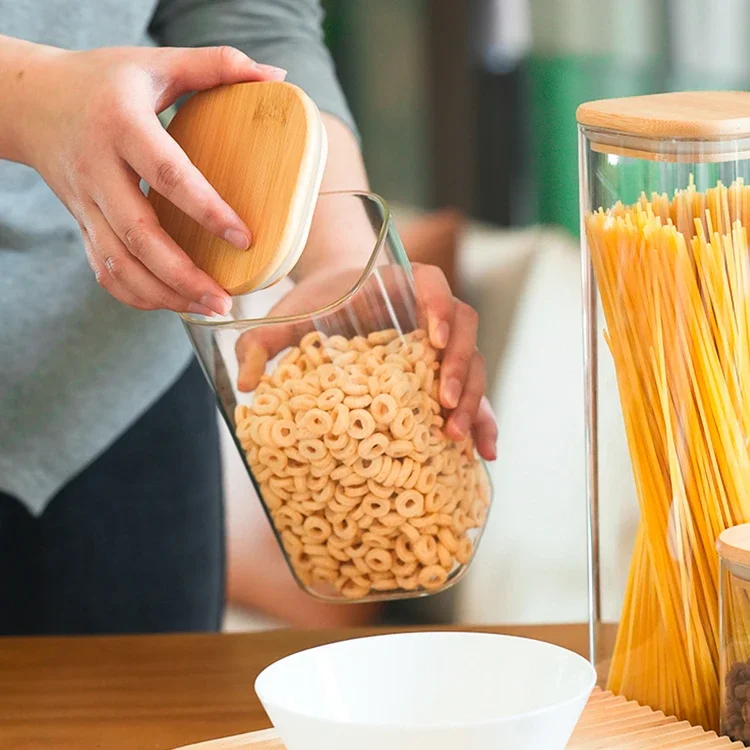
Gorgeous aesthetics. Zero plastic feel. Renewable material. Silicone seals give true airtight storage. But they demand respect. Skip cleaning once or twice, and you pay for it later.
Plastic Lids: Benefits and Drawbacks
Cheap and carefree. Toss them in the dishwasher—no worries. Yet heat and scratches release microplastics over time. Many folks ditch plastic for that exact reason. BPA-free doesn’t mean chemical-free forever.
Metal Lids: Benefits and Drawbacks
Stainless steel wins on durability. Rust-proof if you pick right. They clang. They dent. Cheaper metal lids rust the moment coating chips. One rust spot ruins the whole batch of food.
Food Safety Considerations When Using Glass Jars with Natural Lids
Dry goods only, folks. Flour. Beans. Oats. Quinoa. Lentils. Sugar. Salt. Herbs. Coffee. Tea. All perfect. These items stay bone-dry inside borosilicate glass. Moisture never climbs. Now try leftover pasta sauce or cut fruit—humidity skyrockets. The bamboo lid drinks it up. Mold city. Sticky honey or jam on the rim? Ants throw a party. Wipe the jar mouth spotless every single refill. Takes five seconds. Saves headaches later.
Design Features That Improve Lid Performance Against Mold/Insects
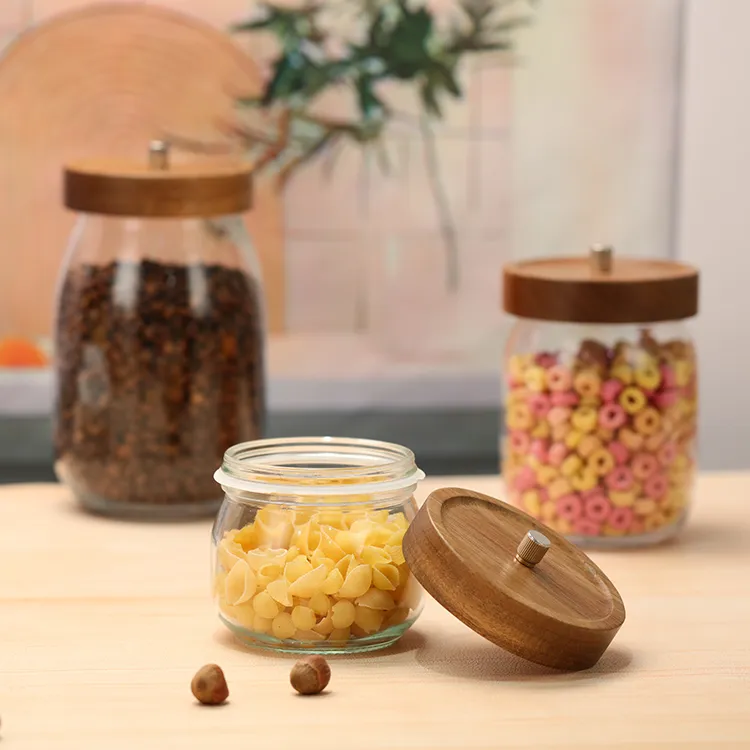
Modern makers got smart. Thick silicone rings create vacuum-level seals. Some brands add food-grade mineral oil finish from the factory. That coating repels water like rain on a waxed car. Raised inner lips keep the wood from touching wet jar rims. Clever stuff. Take a square jar with rounded corners—easy to scoop, easy to clean, and the premium bamboo lid sits flush every time. No gaps. No leaks. Pests hate it. Mold hates it more.
Introducing SinoGlass as a Trusted Kitchenware Supplier
SinoGlass has been cranking out glassware for over twenty years. They know the pitfalls. Their borosilicate jars handle thermal shock like champs—straight from fridge to boiling water, no cracks. The bamboo lids? Premium grade. Dense grain. Pre-oiled surface. Silicone seals tested to last thousands of openings. Every production run passes multiple quality checks. You open the box and smell real bamboo, not cheap glue. Restaurants use them. Zero-waste shops stock them. Home cooks swear by them. Style plus bulletproof function in one package.
Real-User Experiences People Share Online
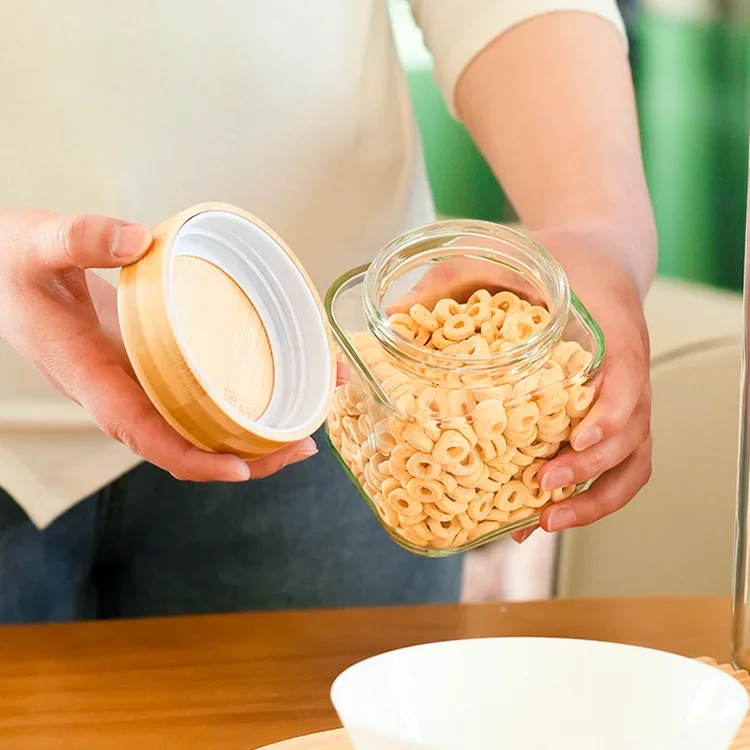
Head over to any zero-waste group and you’ll read the same tips. One mom keeps thirty jars in rotation—five years strong, zero mold. Her secret? She dries lids on the windowsill in sunlight. UV helps kill spores naturally. Another user in Florida—crazy humidity—swears by silica packets tossed inside each jar. Moisture gets sucked away instantly. Someone in a dry desert climate never thinks twice; their lids look brand new after a decade. Location matters. Habits matter more.
Summary of Key Insights on Mold/Insect Risks with Natural Material Lids
Bottom line: wooden and bamboo lids do not “promote” mold or insects any more than poor habits do. Treat them with basic respect—wash by hand, dry fully, store smart—and they outperform plastic in both looks and longevity. High-quality silicone seals turn good lids into great ones. Brands like Sinoglass nail the details so you don’t have to stress.
Conclusion
You deserve storage that looks good and works hard. Glass jars with wooden or bamboo lids deliver exactly that when you follow a few easy rules. Keep everything dry. Wipe rims clean. Inspect now and then. Choose solid designs from trusted makers like Sinoglass. Do those simple things, and you’ll enjoy that rustic charm for years—no mold, no bugs, no regrets.
FAQs:
Q1: Can I use wooden or bamboo lid jars in the refrigerator?
A1: Technically yes, but I don’t recommend it often. Cold plus condensation soaks into the wood fast. If you must, dry the lid perfectly and add a silica packet inside.
Q2: How often should I replace bamboo or wooden jar lids?
A2: Quality ones last five to ten years easy. Warping, cracks, stubborn smells, or black spots mean replacement day. Don’t risk your food over a ten-dollar lid.
Q3: Are bamboo lids dishwasher safe?
A3: Hard no. Heat swells the fibers. Detergent strips natural oils. Hand-wash only, then air-dry. Your lids will thank you.