

Browse social media recently, and you could spot a series of clips where folks examine the bases of their travel mugs using simple home test kits. They search for one particular hazardous heavy metal. This fresh trend has ignited a broad discussion on everyday drinking routines. As you tote your morning brew or chilled water along with you, it is vital to understand precisely which substances contact your beverage.
Many individuals believe that selecting a metal container from the shop ensures a wholesome option. Yet, the truth of industrial assembly is far more intricate. So, is your regular vacuum-insulated bottle truly benign? We will examine the assembly techniques, the particular alloys used, and key features to seek in order to safeguard your well-being.
The Hidden Mechanics of Temperature Control
Maintaining your early coffee steaming warm for a full 12 hours seems almost enchanting, but it depends on solid principles of physics. A dual-wall design demands a vacuum space to halt heat movement entirely. The way plants close that exact vacuum area decides if the end item presents any danger to users.
The Traditional Pellet Problem
Factories pull the air out from the space between the inner and outer metal layers of the mug to form a vacuum. In the past, they closed the tiny exit opening at the base with a glass pellet that held lead. This choice worked because it softened at a reduced heat level, which cut costs and sped up the work. Although this poisonous closure often sits beneath a metal base cover or a rubber guard, that shield might wear away over time from falls and cleanings. When it does, you could accidentally touch risky elements with your skin, which undermines the goal of obtaining a safe water bottle.
Modern Innovations in Factory Floors
Fortunately, the sector moves toward more secure options these days. Leading producers have dropped those outdated closing practices altogether. They pour resources into dedicated tools such as lead-free vacuum chambers. Through employing cutting-edge joining methods that skip harmful softening substances, they produce a genuine lead-free bottle.
If you wonder about the operation of these robotic setups in practice, check the firm’s production guidelines on the production page. Viewing the real equipment—from pipe slicing and pressure shaping to complete robotic buffing systems—offers a vivid view of what current, ethical assembly entails.
Decoding the Metals in Your Daily Drinkware
You often see numbers like 18/8 or 304 stamped on the bottom of cups or their packaging. These figures are not just marketing jargon; they represent the exact chemical makeup of the metal. Choosing the correct alloy prevents rust, stops metallic tastes, and protects your long-term health.
The Standard for Everyday Use
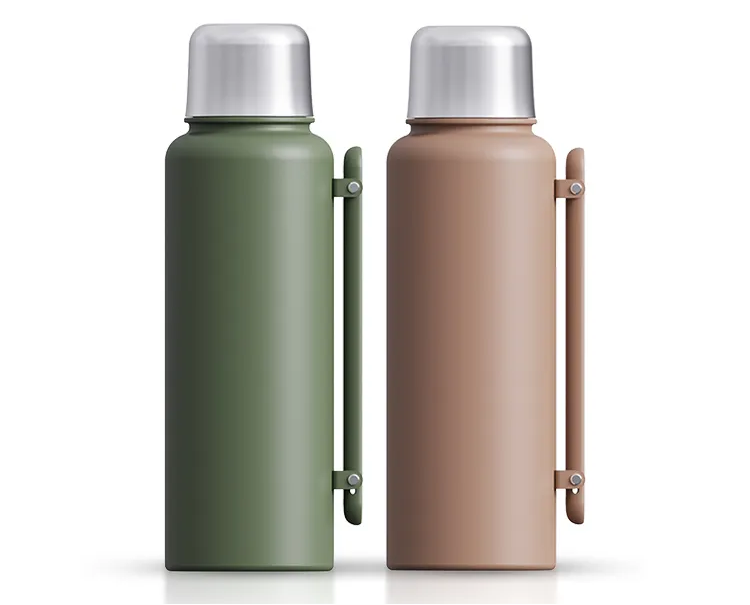
When you browse for a new stainless steel bottle, you will almost always encounter 304 stainless steel. In the industry, this is frequently called 18/8 because it contains 18% chromium and 8% nickel. The chromium prevents the metal from oxidizing and rusting, while the nickel adds strength and gives the metal that classic shiny finish. This specific composition is widely recognized as food-grade stainless. It does not react with acidic drinks like orange juice or black coffee, making it the perfect foundation for a non-toxic bottle you can use every single day.
The Upgrade for Severe Conditions
Sometimes, standard materials are not quite enough for extreme users. That is where 316 stainless steel comes into play. By adding 2% molybdenum to the metal mix, factories significantly boost the material’s resistance to harsh corrosion and high temperatures. If you live near the salty ocean air, or if you constantly brew highly acidic sports drinks, 316 might be the upgrade you need.
What Makes a Hydration Companion Stand Out
Apart from the core alloy quality and the closing pellet, several unique design decisions distinguish a common mug from an excellent one.
- Precise Metal Thickness: A solid lead-free tumbler must endure impacts yet remain lightweight. Plants typically target a 0.4mm inner coating and a 0.5mm or 0.6mm outer layer. This exact gauge stops the item from bending readily if it tumbles on a walking path, and it avoids the sensation of hauling a heavy stone in your pack.
- Copper Plating for Better Insulation: The finest bottles go beyond the mere vacuum space. They apply a slim copper layer to the exterior of the inner coating. This additional measure bounces back heat waves into the liquid, which extends the duration of warmth or coolness by several hours.
- Safe Plastics and Silicones: The alloy frame forms just part of the equation. The cap also requires rigorous safety checks. Dependable makers employ BPA-free polymers and fluid silicone for the gasket rings. These components endure intense machine-wash heat without breaking down or releasing toxins into your drink.
- Thorough Post-Processing: Prior to hitting store displays, a bottle undergoes electrical treatment and buffing. This process levels out tiny ridges on the interior surface, which makes it tougher for residue from coffee or germs to cling in place.
Custom Solutions for Brands and Buyers
Creating a high-quality product requires more than just good raw materials. It demands strict quality control, advanced machinery, and years of experience. For retail brands looking to expand their drinkware lineup, choosing the right factory partner is the most critical step in the supply chain process.
Advanced Production Capabilities
The divide between a simple provider and a skilled maker is vast. A premier site oversees the full sequence, from pattern creation with 5-axis carving tools to entirely robotic metal handling systems. When a plant boasts 25 years in blending innovation, planning, and building, they tackle tricky form issues well ahead of large-scale output. If your brand seeks a tailored form or a special hue coating, partnering with a skilled group ensures a smooth journey.
Global Standards and Certifications
You cannot rely solely on a plant’s claim of safety; independent validation is essential. Reputable makers, like SinoGlass, subject their operations to intense reviews such as BSCI, ISO 9001, and eco-control approvals. Their goods undergo LFGB and further worldwide food safety exams. Realizing that a provider manages all aspects from initial material reviews to end-stage spot checks provides buyers with substantial assurance.
Conclusion
Talks about heavy elements in our routine beverage holders serve as an alert for both shoppers and companies. Although the chance of poison contact from prior assembly ways exists, the field has progressed a great deal. By grasping the contrast between basic and top alloys, and by confirming that plants apply current, secure vacuum chambers, you can drink with full assurance. The top items available merge excellent food-grade alloys with open, accountable assembly processes. If you run a retail operation or own a brand seeking premium, verified secure drinking tools, do not hesitate to contact us regarding your exact venture demands and to ask for prototypes.
FAQs
Q: Are all metal cups lead-free?
A: No. Always verify that the manufacturer uses a certified lead-free tumbler production process before buying.
Q: What makes a safe water bottle?
A: Look for food-grade stainless, BPA-free lids, and a completely lead-free vacuum seal on the bottom.
Q: Can I put my stainless steel bottle in the dishwasher?
A: Only if the manufacturer specifies it. High heat can sometimes damage the vacuum seal.