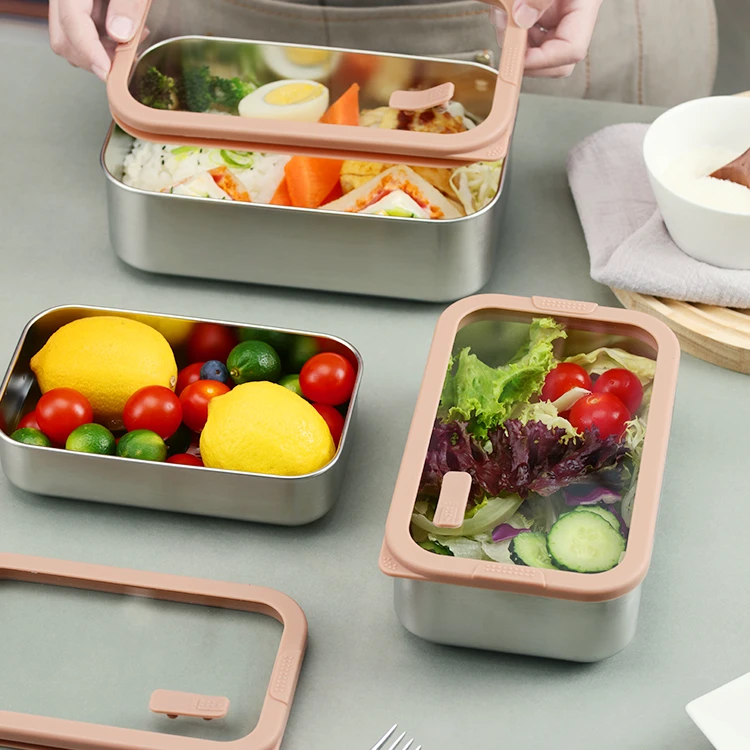

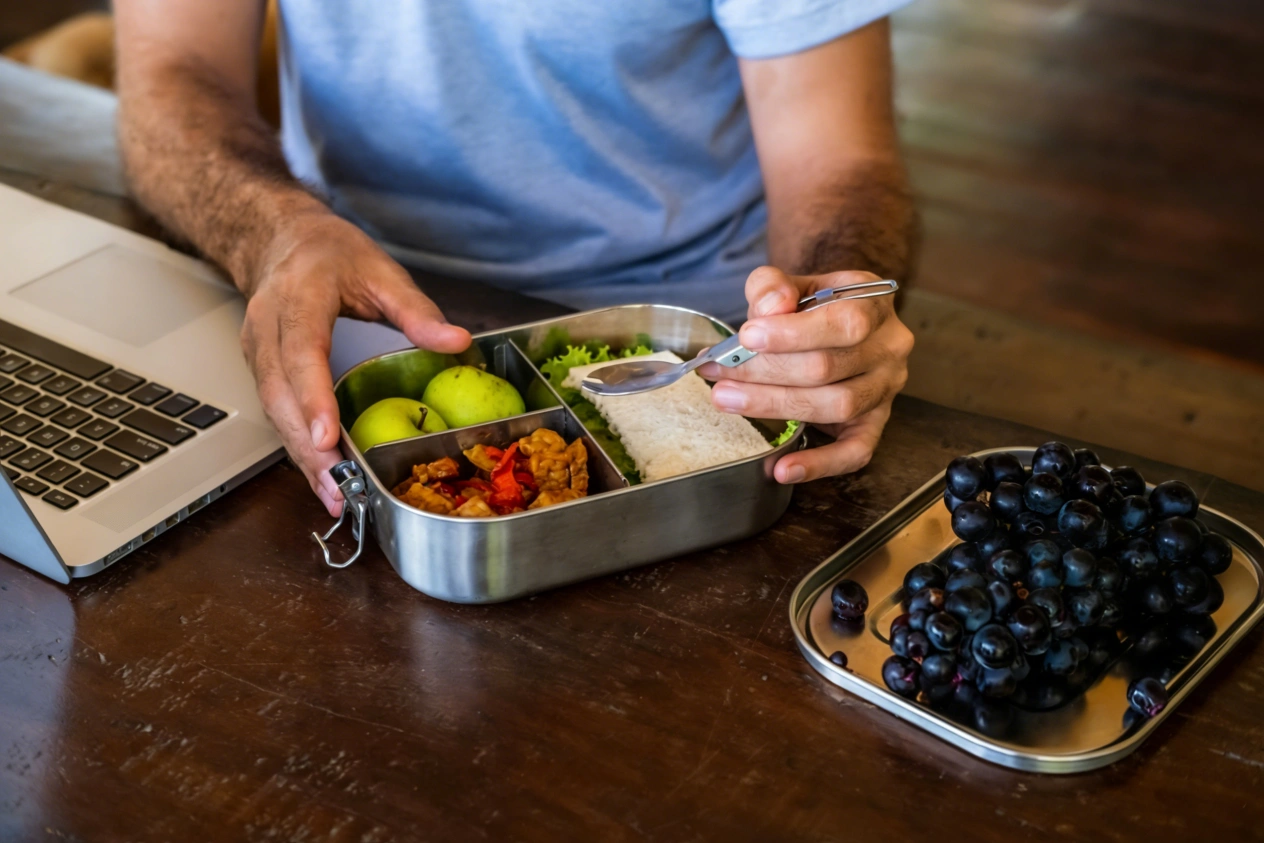
Each weekend, countless households dedicate a few hours to preparing big portions of dishes for the coming hectic days. They slice vegetables, cook hearty meat dishes, and separate servings into various holders for the fridge or freezer. Preparing meals at home has grown popular. It cuts costs and allows control over eating habits. Yet, current reports point to rising worries about the items used to store food. Researchers have detected tiny plastic bits in human blood and guts. As a result, many homes are taking a fresh look at their cooking routines.
When packing leftovers or purchasing large amounts of dry items, the holder you select affects your household’s well-being greatly. The market mainly provides two main substances. However, they behave quite differently when faced with pressure. We will explore the actual physical and chemical aspects of these substances. This way, you can pick wisely for your kitchen.
The Hidden Realities of Kitchen Materials
Storing leftovers for weeks or months means the substance containing your dishes counts a lot. Both types appear shiny and spotless on shop displays. But they respond in varied ways to heat shifts, cooking fats, and duration. Let us observe what occurs under the cover.
What Happens Inside a Plastic Food Container
Heat breakdown poses a key problem for flexible substances. Even a holder marked as BPA-free faces issues. Cycles in a warm home dishwasher, which hits 70°C to 80°C, gradually weaken its build. When holding sour items like tomato mixtures, citrus sauces, or warm fatty cooked meats, the flexible layer takes in bold hues and scents. With time, small splits appear on the inner sides. These fine alterations may escape notice at first. But they lead to the substance turning foggy and weak after several months of regular use.
The Chemical Stability of a Metal Food Container
By contrast, high-quality kitchen steel operates on a completely different level. A standard 304-grade stainless steel container contains 18% chromium and 8% nickel. This specific metallurgical composition creates a highly stable, non-porous surface that simply does not react with acidic or alkaline foods. You can leave a highly acidic vinegar dressing inside a metal food container for six months, and the steel will absolutely not degrade, rust, or transfer strange metallic tastes into your meal. This chemical stability makes metal a far superior choice for protecting the original flavor and purity of your ingredients.
Physical Durability and Daily Hygiene
Well-being extends past mere chemical makeup. Consider how these holders manage knocks, intense cold, and slips onto firm kitchen surfaces. Physical toughness influences how long the holder stays fully clean and practical for your home.
Scratch Resistance and Bacteria Growth
Plastic serves as a fairly yielding material. A basic metal utensil or pointed cutting tool readily marks deep lines on the base of a plastic food container. These small channels turn into spots where dangerous kitchen germs multiply. True cleaning becomes hard without hot water that could warp the holder. Conversely, stainless steel fights off harm from routine kitchen tools. You can clean the interior with rough pads. The layer stays notably even. This firm layer cuts down the chance of sickness from food. Germs lack places to settle.
Achieving Safe Food Storage Through Better Seals
The body material is practically useless if the lid leaks. Oxygen and moisture are the two biggest enemies of fresh food, causing fast decomposition and mold. A well-designed food container with clip lid solves this widespread problem by using strong mechanical pressure. The physical clips press a food-grade silicone ring tightly against the rim of the box. This locks out the humid air that causes severe freezer burn and keeps crawling pests away from your dry rice and flour. A strong mechanical seal is the true secret to safe food storage over long periods.
Making the Smart Choice for Long-Term Storage
Preserving items fresh for prolonged spans calls for strong shields from dampness, shifting breezes, and storage bugs. If obtaining large dry supplies or chilling yearly yields, the sides need to halt outside factors fully. Your choice ought to match your cooking patterns directly.
Why Stainless Steel Wins the Long Game
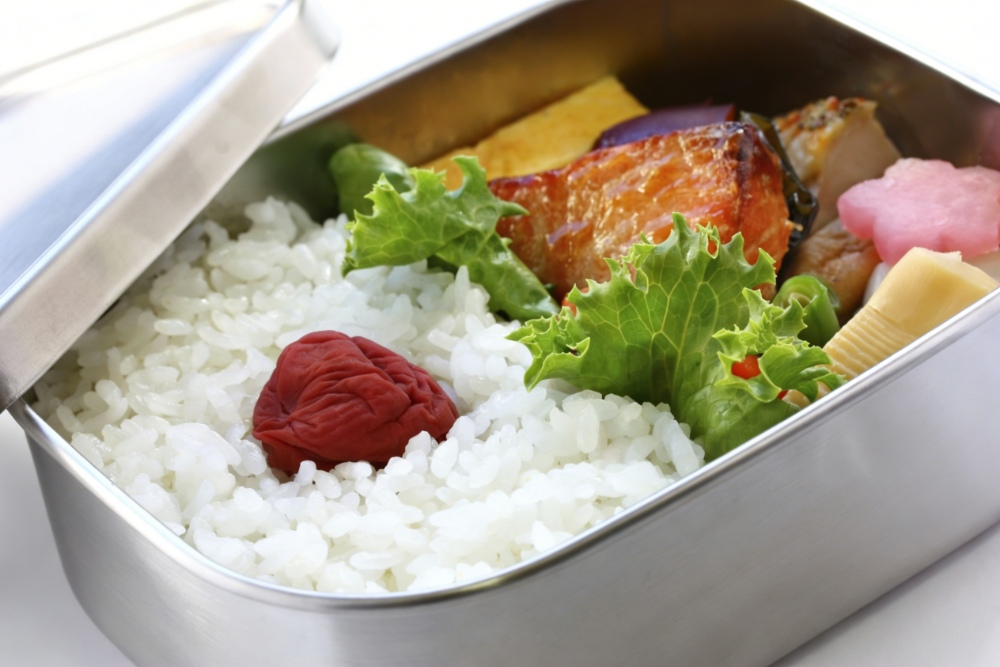
For the main aim of extended keeping, metal claims the top spot with ease. Plastic grows stiff and breakable in a low freezer at -18°C. It often splits if dropped on a hard floor. Quality stockage alimentaire en acier inoxydable deals with harsh chill without dropping its firm structure. Plus, steel stops all indoor light. Light contact steadily harms vital nutrients and weakens the taste of costly herbs, coffee grains, and fine leaf teas. Storing them in a shaded, cool, metal space lengthens their usable time by months.
The Right Time to Use a BPA-Free Container
Plastic is not entirely useless in a modern kitchen. A premium BPA-free container is incredibly lightweight and transparent. If you need to quickly pack a cold fruit salad for a short two-hour hike, seeing the colorful contents from the outside is quite helpful. For short-term transit or carrying light snacks to the office, they work adequately.
Wholesale Solutions and Custom Manufacturing
The massive shift toward healthier materials heavily impacts how home goods brands stock their retail shelves. Supermarkets and distributors actively seek reliable factories capable of producing large volumes of premium kitchenware without compromising health standards. Finding a supplier with strict production controls has become a major global priority.
Supplying the Growing Demand for Safe Kitchenware
Today’s buyers check package details with care. They hunt for LFGB approvals and insist on no harmful substances in their spaces. A regular stainless steel food container from a trusted maker readily satisfies these tough European and American health rules. Sellers need to supply these improved, health-aware goods to retain buyer satisfaction and faithfulness. If a label deals only in low-cost, weak holders, it will soon drop position to rivals who value home well-being more.
Working with a Professional Factory Partner
Building a successful new product line requires expert engineering and massive production capabilities. SinoGlass operates multiple advanced facilities across China and Thailand, running fully automated metalworking, welding, and polishing lines alongside over 100 injection molding machines. Brands looking to develop custom shapes, specific brand colors, or tailored retail packaging can fully utilize our OEM / ODM services. Their dedicated engineering team handles everything from initial 3D design to final mass production, with minimum orders starting as low as 600 pieces for many items. Businesses can easily nous contacter today to discuss their exact wholesale requirements and start building better products.
Conclusion
Deciding between materials for your kitchen is ultimately about protecting your health and reducing unnecessary household waste. While lightweight plastics offer basic convenience for a quick lunch, they fall short when you need to preserve food for many months. A premium metal option delivers unmatched durability, resists harmful bacteria, and completely prevents chemical leaching into your meals. By upgrading your pantry with sturdy, non-porous materials, you keep your ingredients fresh and your family safe from hidden toxins. A well-made steel box with a tight silicone seal will serve you perfectly for decades, proving to be a highly hygienic and smart financial investment for any modern home.
Questions fréquentes
Q: Is a plastic food container safe for the freezer?
A: A high-quality BPA-free container works for freezing, but it might become brittle and crack over time.
Q: Can I microwave a metal food container?
A: No. You should never put a stainless steel container in the microwave because it causes dangerous electrical sparks.
Q: What is the best material for long-term storage?
A: A metal food container is the best for long-term storage because it blocks light, resists scratches, and stops odors.