

Seasonal kitchenware trade shows showcase changing buyer tastes. These tastes focus on versatile, compact gadgets and green substances like glass and bamboo. Such choices stem from simple styles and worldwide food fashions. Interest remains high for targeted pots, clever holding options, and drink vessels that mix usefulness with looks. Plus, personalization and smart, time-of-year matched item releases help boost bulk business wins.
How Are Buyer Preferences Evolving in the Wholesale Kitchenware Market?
Seasonal goods gatherings keep showing lively changes in buyer actions. This happens most in the bulk kitchenware area. As you gear up for your upcoming buying journey, you must match your item picks with what current buyers value most.
What Functional and Material Features Are Buyers Seeking in Kitchen Tools?
Buyers now lean toward space-smart and quick-task inventions. Versatile kitchen gadgets—like foldable shredders, cutters with added holders, and multi-use cutting surfaces—are growing in favor. They cut down mess and ease meal making. Function pairs well with the green story. This drives picks for substances.
Durable glass, natural bamboo, stainless-steel, and a single silicone seal are all we use to make the new NATURALIST collection. These earth-friendly substances boost brand tales. They also fit rising user hopes for green goods.
Style shifts matter just as much. Straight edges, gentle dull surfaces, and single-color schemes fit the simple design wave. Buyers turn from fancy patterns. They pick kitchen items that blend smoothly into fresh, wide-open cooking spaces.
How Are Global Culinary Trends Shaping Product Demand?
The growth of world foods in home setups has changed what buyers hunt for at trade shows.
How Does Cross-Cultural Cooking Influence Wholesale Selection?
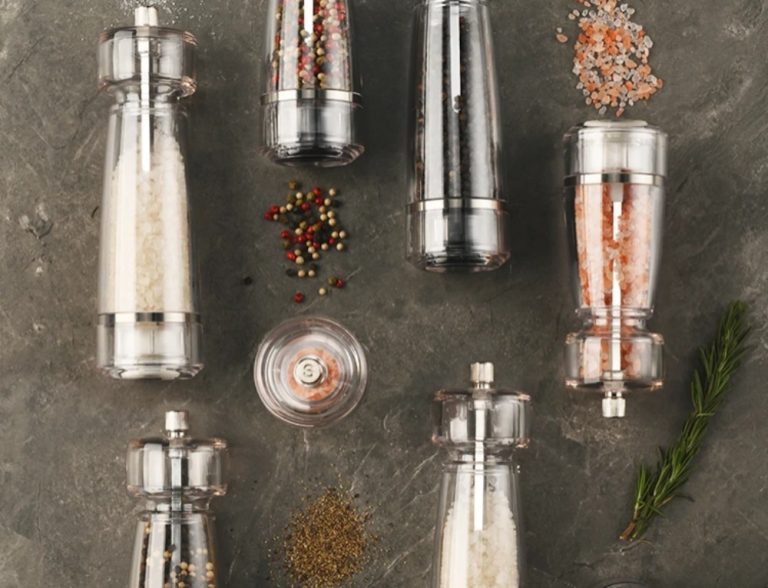
Store owners now want more focused gadgets. Consider pots for North African meals, bamboo rolling kits, and flatbread makers. This worldwide food interest matches a rise in fine-dining tools for household cooks—from exact scrapers to electronic heat checkers.
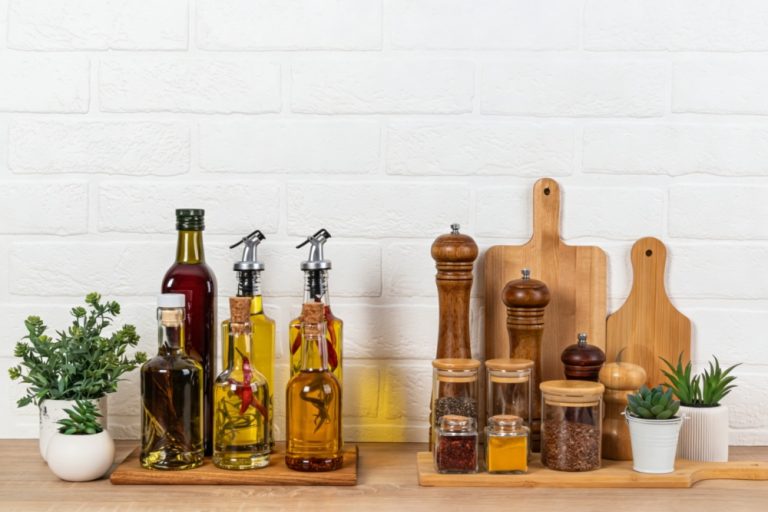
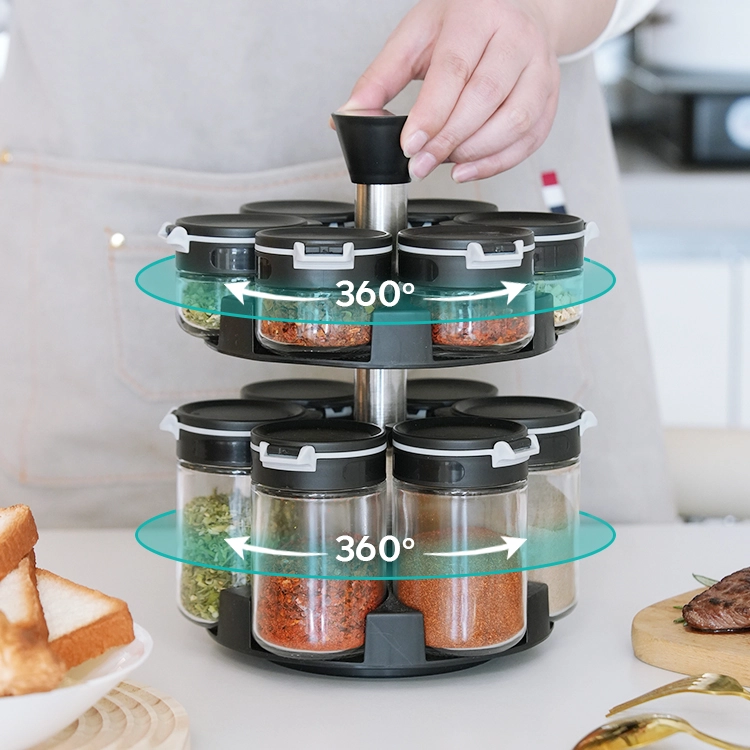
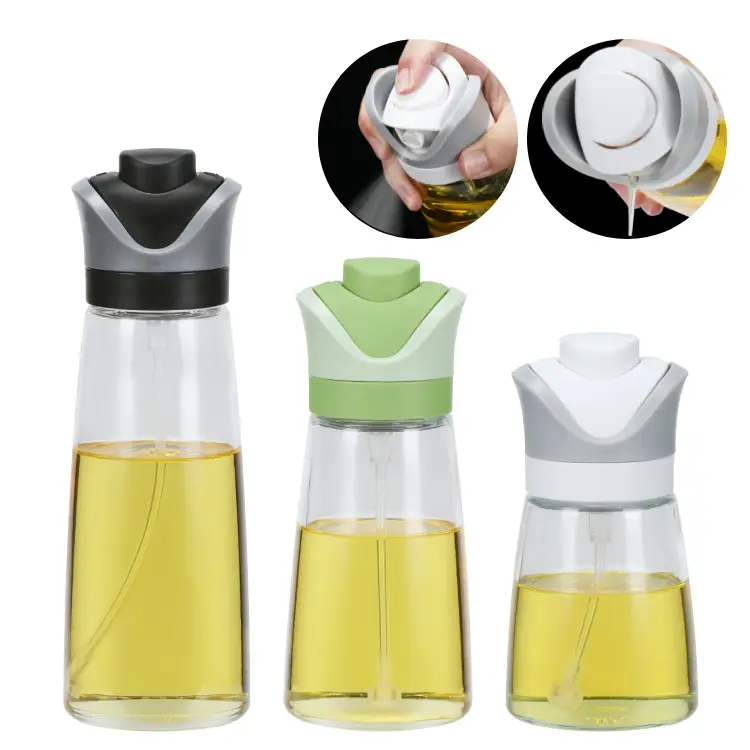
Wellness-based meal making also counts a lot. Items like fat-limit pourers and sealed plant holders tackle user worries about pure diets. At the same time, they give store owners profit-rich new ideas. Herb Keepers and Salad Dressing Sets/Shakers/Mixers are main stock items. They fill these needs. Moreover, they slide right into health-aware store stories.
Which Product Segments Are Attracting the Most Attention at Seasonal Trade Shows?
Some groups always pull big crowds—and deals—at seasonal goods meets. Hitting these item types can yield good gains for bulk sellers.
Why Are Beverage Tools and Drinkware Leading the Charge?
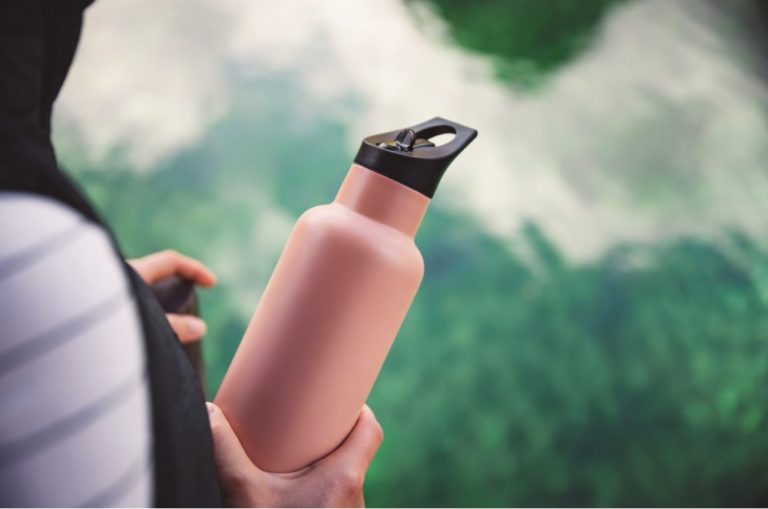
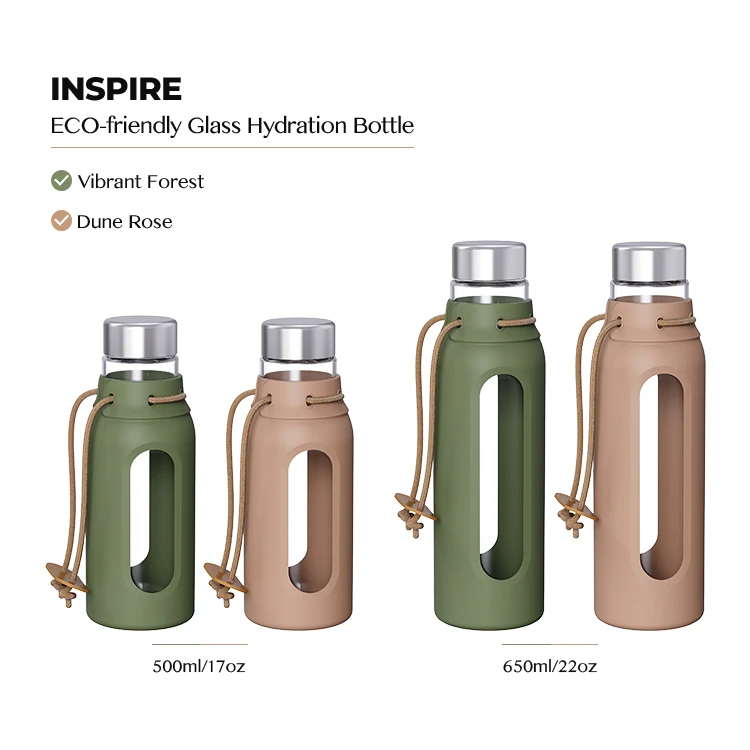
Staying hydrated is more than a health fad—it’s a daily habit. Buyers flock to lined cups and twin-layer mugs. These offer both warmth control and flair. Bottles & Mugs, Tea & Coffee Sets, Carafes & Pitchers, Beverage Dispensers stay steady winners in this field.
You might try displaying Double-Wall Borosilicate Glass Mugs. They blend graceful looks with top-notch warmth holding. Items like spill-free water holders from BPA-free Tritan™ are also picking up speed. They draw users with busy lives or green tastes.
How Is Food Storage Becoming a Strategic Sales Driver?
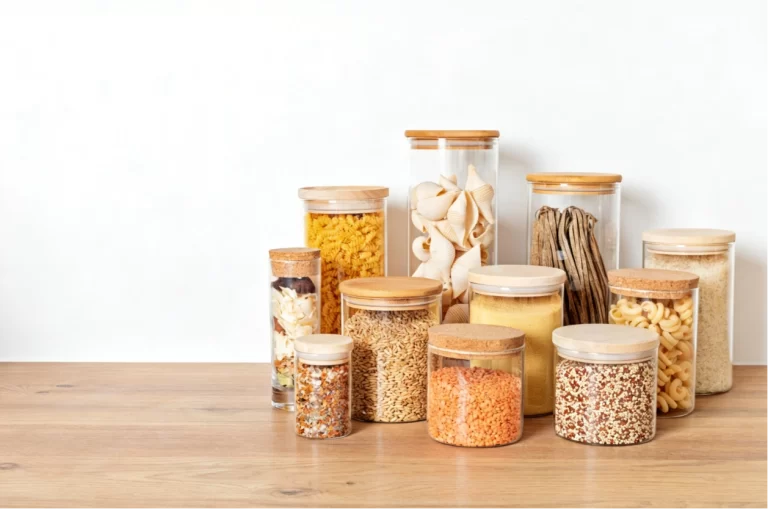
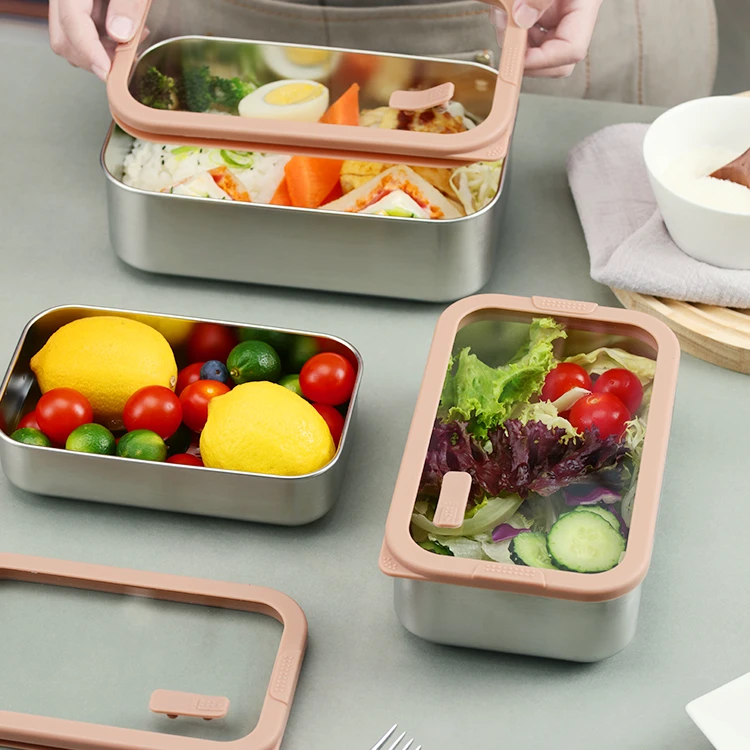
Holding fixes now exceed basic use. They’re vital for food planning, trash cutting, and neat kitchen setups. Glass Storage Dishes with flexible pile-up styles serve users with tight room and a wish for tidy views.
Sealed choices like Glasslock-style toughened glass boxes with rubber-topped covers for no-leak holding are now basic wants among top buyers. These keep food fresh. They also back green views by cutting throwaway plastics.
How Does Cookware Balance Performance with Presentation?
As open cooking areas grow common, pots must appear nice for serving. Heat-to-table items—like borosilicate baking pans—let users simplify cooking and plating. They do so without losing style.
Products such as Heat-Resistant Borosilicate Casserole Dishes give both work and shape. In the same way, clear measure pitchers with raised marks meet calls for precision. They also lift the sight appeal of everyday kitchen gadgets.
What Design Innovations Are Capturing Buyer Interest?
Keeping up front means more than looks—it’s about user ease, tailoring, and adding wise traits.
What Smart Features Are Making Traditional Products More Competitive?
Usefulness changes with built-in wise parts like heat signs or clocks right on tops. One rising group covers holding boxes with QR marks that connect to food guides or how-to notes.
Smart top holding boxes with newness clocks or pull-out signs show this mixed newness. Here, old ways meet new tech. It boosts user trust and seen worth.
How Does Customization Fuel Private Label Growth?
Own-brand buyers more often look for makers who give full tailoring—from mark stamping to boxing. Brief-batch skills let them try time-bound specials or react fast to style changes.
For example, through OEM/ODM services provided by SinoGlass, you can reach full tailoring from idea building through box planning. This lets you keep brand mark. It also allows starting special lines fit for small markets or promo drives.
How Can You Use Seasonal Events to Launch New Collections Effectively?
Trade shows serve more than linking up—they’re starting points for fresh ranges and time-based item updates. Well-planned release times can raise notice and speed up sales flow.
When Should You Align Product Launches with Seasonal Calendars?
Spring/summer meets suit items tied to outside eating: jugs, outing dishes, or drink holders. Fall/winter meets turn to hot drink tools, baking pans, and gift-ready kitchen packs. These match holiday store times.
Bring in time-based color schemes over main stock items. This fits store display plans. It helps your buyers picture how these fit into coming promos or shop setups.
Why Are Interactive Displays Crucial at Trade Shows?
Skilled buyers seek over just info pages—they want to view work. Shows of strength, handle ease, or warmth hold spark involvement.
Active parts like QR-tied online lists allow instant buying and smooth after-event check-ins. Use real shows to spotlight traits like heat strength in baking pans or no-spill work in holding boxes. These traits fade in still setups. But they stand out in touch trials.
What Should Wholesale Buyers Prioritize When Attending Seasonal Events?
Winning at trade shows goes beyond looking around—it’s about wise choices based on maker skills and market facts.
How Should You Evaluate Suppliers for Innovation and Sustainability?
Focus on partners who steadily bring new substances, styles, or works. They should keep open source ways. Marks for reusable substances or power-saving making add sure trust.
SinoGlass Group has made and shared top home goods for 23 years. They blend style, study and growth, making, and selling. This pledge reaches slim making steps that cut waste and raise output—great traits for lasting ties.
How Can You Maximize ROI Through Product Selection?
Skip wide spreads. Instead, target top stock items backed by sales facts from past times. Think of grouping matching pieces—like a tea strainer pack with paired holding pots—to lift average buy worth and cross-group draw.
Use fact-based sales tools showing hot groups by area/time to steer your picks. This ensures match with user wants over store types.
FAQ
Q: What are the most sought-after materials in wholesale kitchenware today?
A: Buyers favor eco-conscious materials like glass, bamboo, stainless steel, and silicone seals due to their sustainability and durability benefits.
Q: How do smart features enhance traditional kitchenware products?
A: Smart enhancements like freshness timers or QR-linked recipes elevate user experience by adding convenience and interactivity without compromising simplicity.
Q: What’s the benefit of aligning product launches with seasonal trade shows?
A: Timing launches around seasonal events ensures relevance in retail merchandising calendars and allows you to capitalize on peak buying periods with tailored collections.