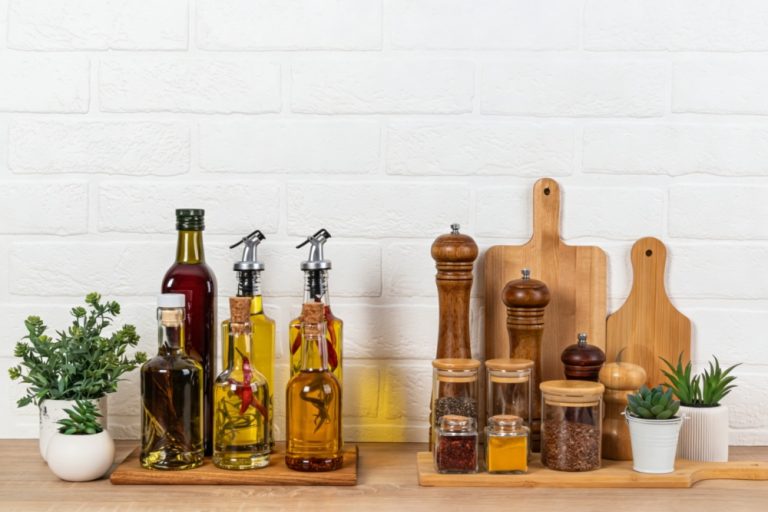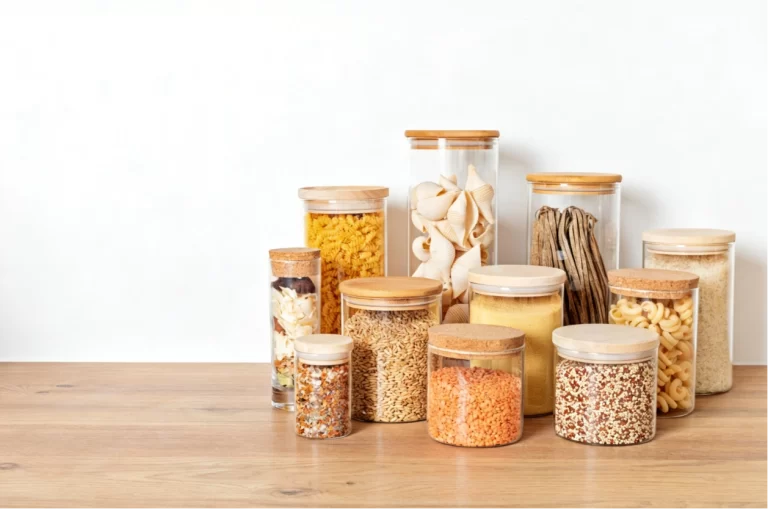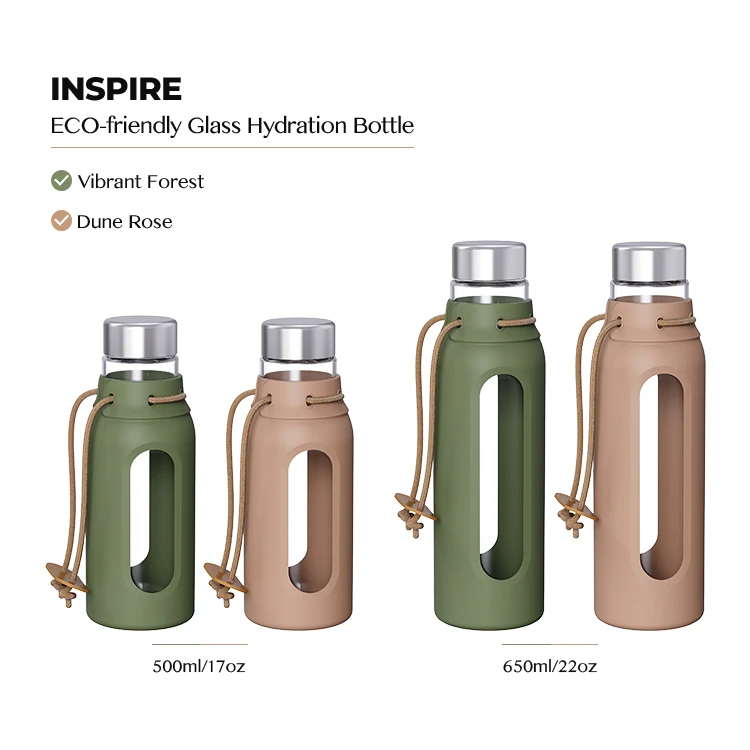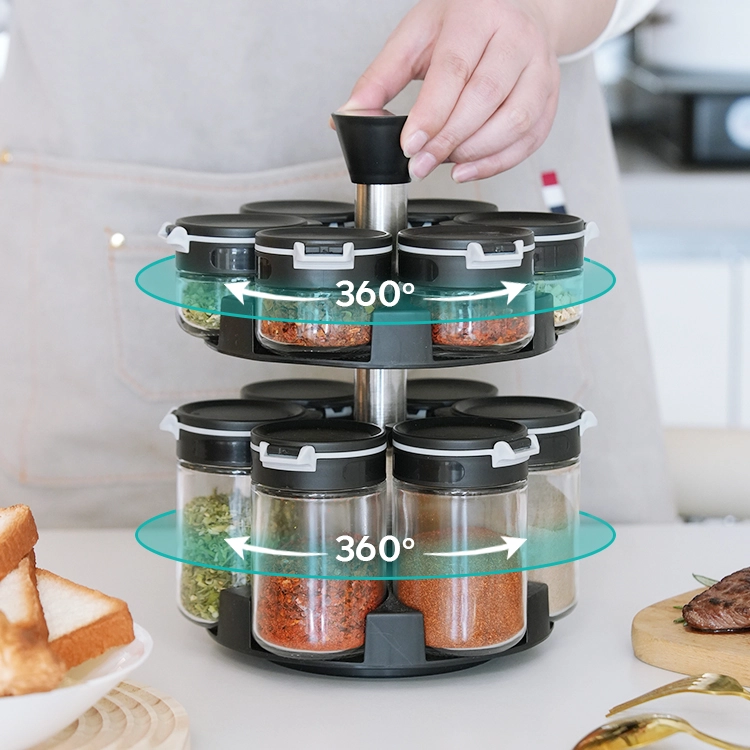

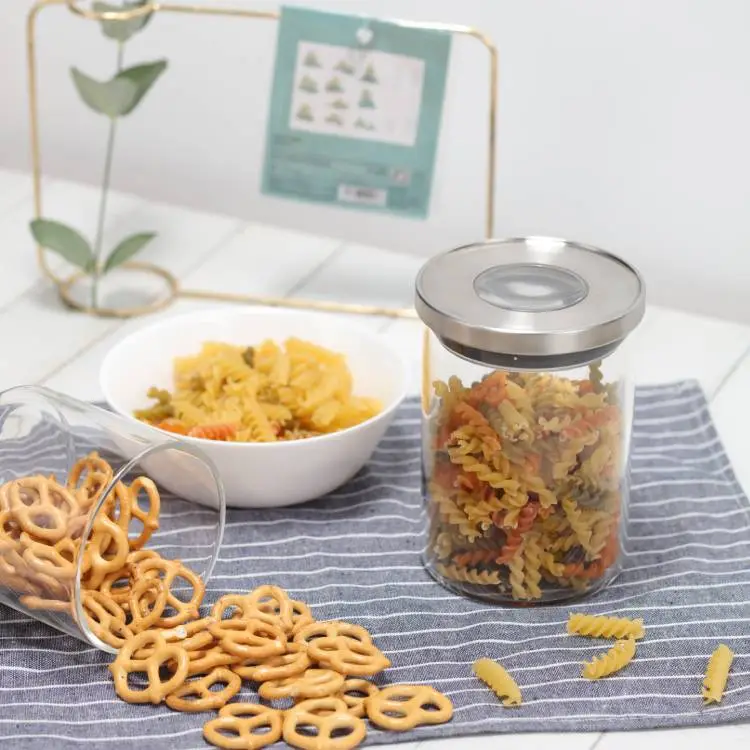
Kitchen glassware, whether handled every day or only during special seasons, stands for both practical use and easy breakage. Poor storage choices can greatly boost the chances of shattering pieces, leading to possible cuts or bruises, and wasting cash on replacements. Home cooks and busy restaurant teams both find that setting up a neat arrangement for these items goes far beyond simple good looks. What’s more, if you keep glass containers in places where grabbing them is simple and spotting them is clear, getting meals ready turns out quicker and feels more natural.
What kind of environment best supports safe glassware storage?
The protection for your glassware comes not solely from picking the right spot to put it, but equally from the overall setup around that spot, including things like how solid the shelves feel under load and even the amount of dampness floating in the air nearby.
Are your cabinets strong enough to hold heavy or large glass containers?
When dealing with those heavier borosilicate glass jars or the ones that open wide for easy filling, having shelves built extra tough becomes a must to stop any bending in the middle or sudden drops that could ruin everything below. Those cabinets where you can move the shelves up and down give you options to fit jars, no matter if they stand short or tall. And for the deeper cabinets down low, adding drawers that slide right out helps you get inside without having to lean over stacks of other kitchen gear.
Can environmental conditions affect the integrity of your glassware?
Yes, without a doubt, outside factors can make a real difference in how well your glass holds up. For that reason, keep all glass containers far from warm spots such as right next to ovens or under dishwashers where heat builds up. Avoid exposure to extreme temperature fluctuations near ovens or dishwashers.
What accessories make customized storage more effective?
Occasionally, picking the correct add-on pieces can shift a jumbled mess into a smooth and logical order that makes sense. Through picking inserts with care, along with separators and secure holders, collections of glassware that vary widely in style and size can settle into positions that feel both protected and visually appealing without much effort.
Can dividers and inserts reduce movement-related damage?
Those flexible dividers you can adjust for inside drawers allow shaping them to match different sizes of jars, which means everything stays put firmly, even as you pull the whole drawer back and forth during busy cooking sessions. Racks made for holding stemware lift glasses by hanging them with the open end facing down, cutting way back on any wear along the delicate rims from constant touching. And for extra help, inserts formed from soft foam or grippy silicone can keep round shapes like small spice jars from rolling or tipping whenever the storage area gets jostled around.
Are wall-mounted options worth considering for tight kitchens?
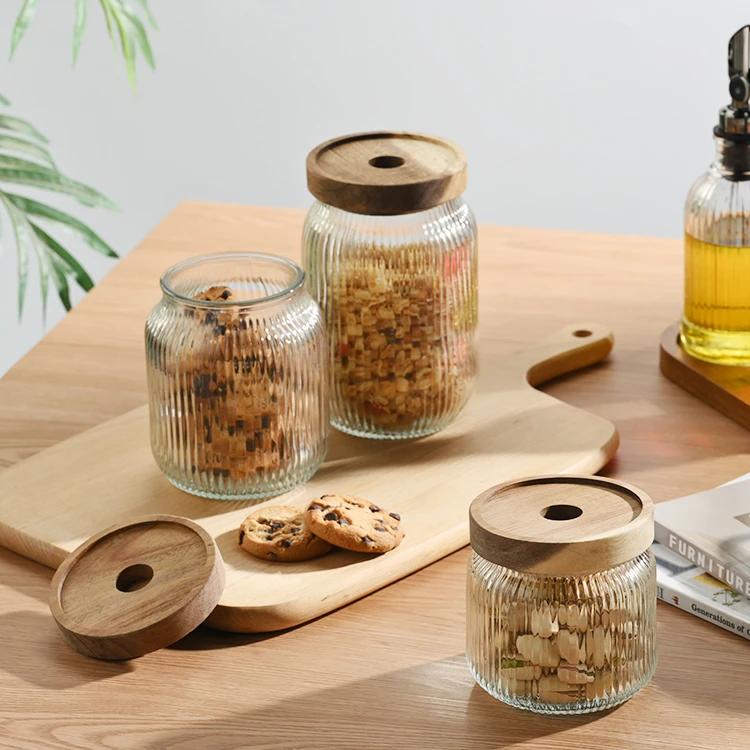
Absolutely, options fixed to the wall, such as racks for spices or holders using magnets, offer straightforward ways to reach your items without adding more clutter inside already full cabinets. This kind of arrangement proves especially helpful when you need to keep lighter extras, like those bamboo lids or basic tools for adding flavors, in kitchens where every inch of space counts and feels squeezed.
How should different materials like bamboo lids or stainless steel be handled?
Blending various materials adds both attractive style and real-world usefulness, though each one calls for its own level of thoughtful attention to detail.
What’s the best practice for storing bamboo-lidded containers?
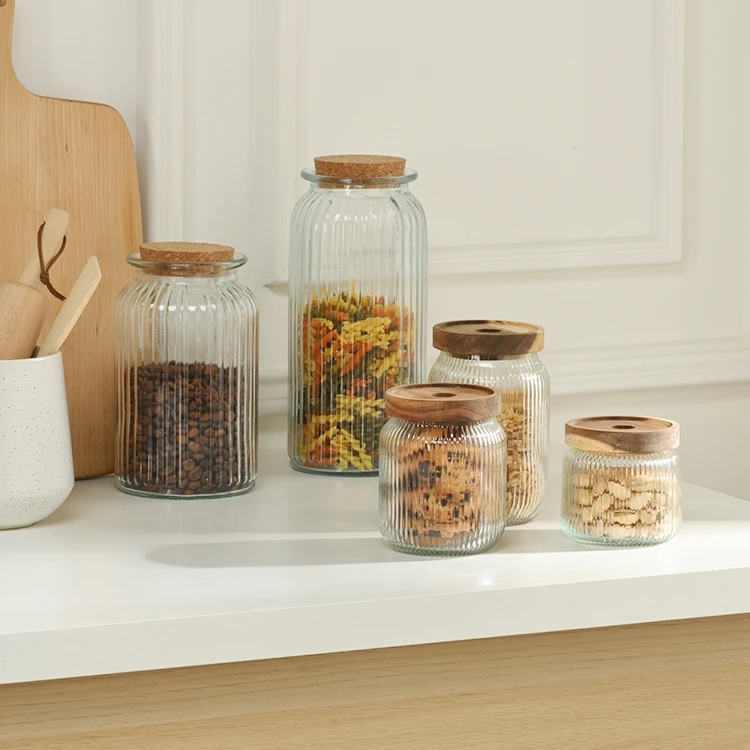
Because bamboo comes from living sources, it demands particular steps to stay in good shape and avoid problems. Right after you clean it with water, make sure to let it dry out fully by hanging it in open air before you snap the lid back onto the jar securely. Ensure lids are completely dry before sealing containers post-wash. A product like the Glass Jars with Bamboo Lid offers an elegant, round bamboo lid with PP lining that helps create a tight seal while maintaining the natural aesthetic.
Can stainless steel components be integrated safely with glassware?
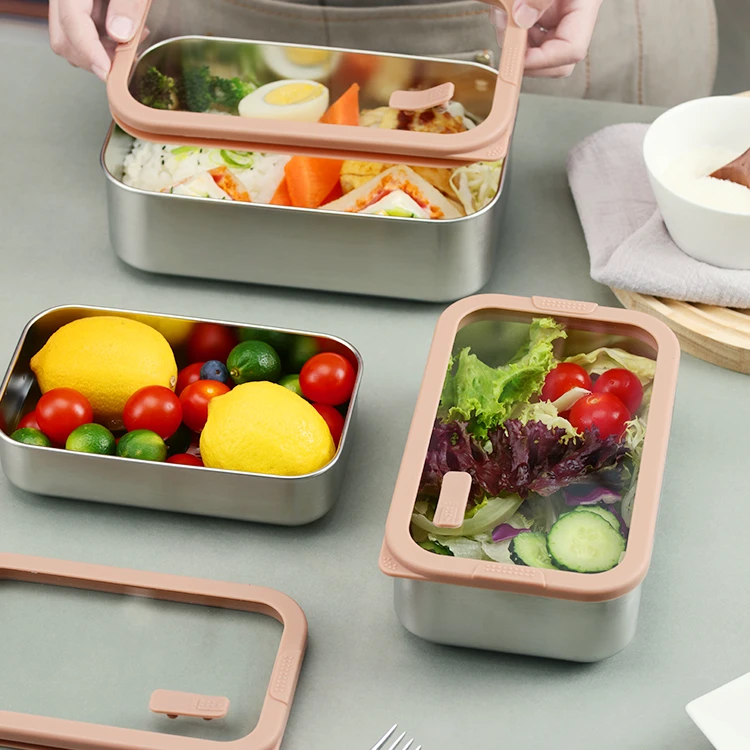
Stainless steel brings added strength for support and a modern, polished finish whenever you include it in designs for lunch boxes or grinders meant for spices. That said, you must prevent any direct rubbing between the hard metal bottoms and the finer glass parts that could scratch easily.
How do aesthetics impact functionality in kitchen storage systems?
A kitchen arranged with care care pleasingly catches the eye, yet the deepest satisfaction arises precisely where attractive elements join forces with everyday usefulness in perfect step. Storage setups that pull together both a sense of unified style and clever planning end up improving how you handle routine chores, all while holding firm on the safety front without any trade-offs.
Should you choose open shelving or closed cabinetry?
Open shelving fits nicely when your goal involves displaying matched groups of jars or simple tumblers, picture those with interesting surface patterns on designer glasses or classic holders for spices from another era. Enhances visual appeal when using uniform glass sets or designer jars. On the other hand, cabinets that close up tight deliver superior shielding from fine particles in the air, splatters of oil during cooking, and unexpected knocks, which holds extra importance in areas of the home where people pass through often and movement stays constant.
Are labeling systems necessary in an organized kitchen?
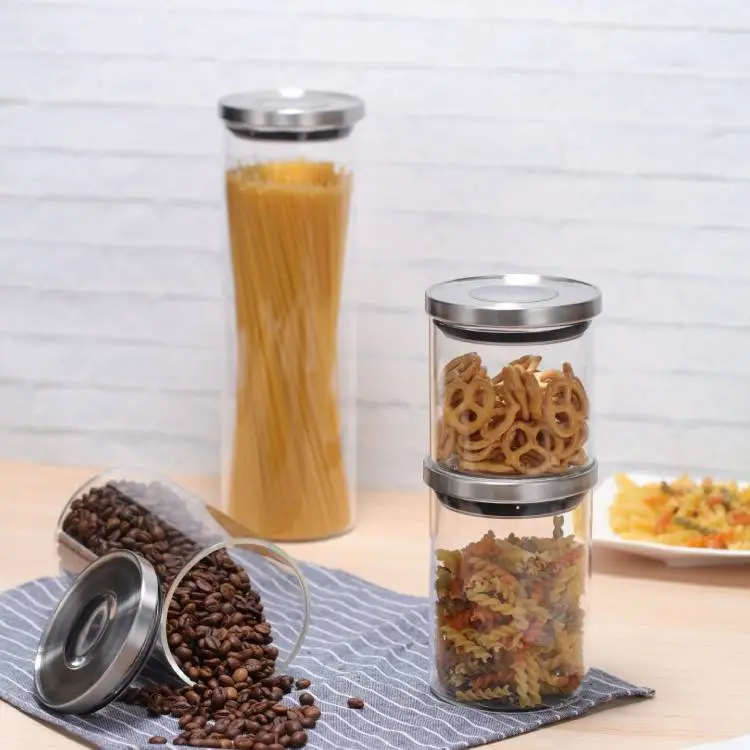
Putting on labels that show up clearly does more than just shorten the time it takes to find and pull out what you need; it also stops mix-ups from happening right when you’re in the middle of preparing a dish with focused energy. Opt for stickers that stick well even after getting wet for long-lasting hold, or use tags with erasable chalk surfaces that let you update names as your collection shifts. In every case, position these labels facing forward or placed on top, keeping the same spot across your whole set of items, so recognition comes instantly without second-guessing.
Who is leading innovation in kitchen storage solutions?
At the heart of any outstanding kitchen arrangement lies a forward-thinking picture of living that feels both brighter and more secure for those who use it. The top players in the field keep dreaming up fresh takes on storage methods, weaving together progress in how materials behave with designs centered squarely on what actual people require, so they match the shifting demands of family spaces and work environments for cooks at every level.
Why is this supplier trusted worldwide?
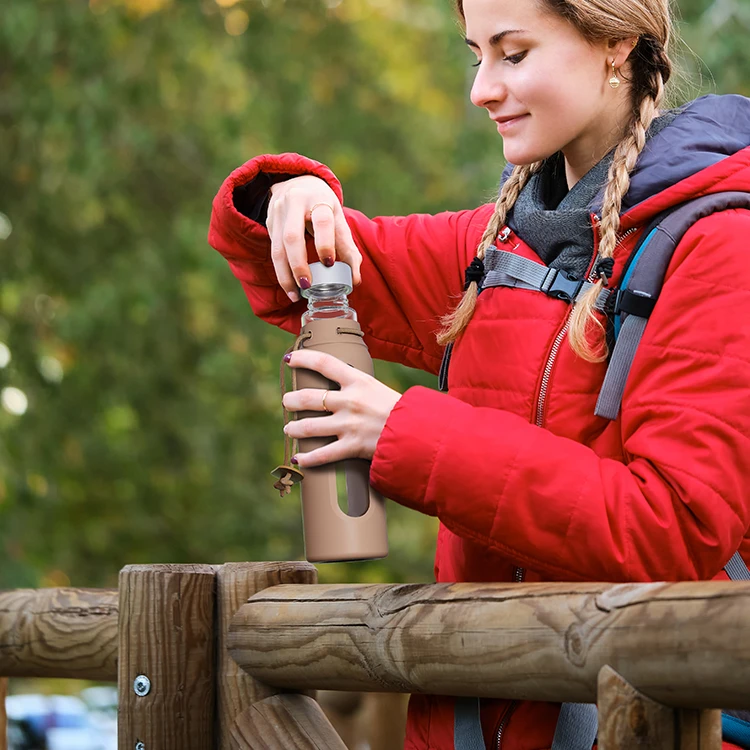
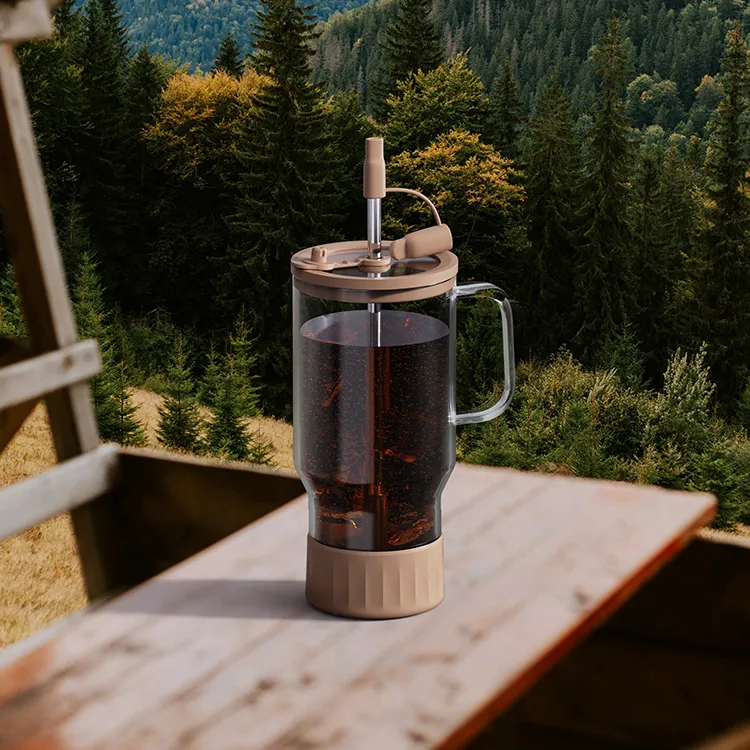
Through more than two full decades of steady effort, SinoGlass has taken the lead in developing kitchen solution that prioritize safety and care for the planet, reaching customers in markets all across the world with reliable options. Whether the task involves planning out a cozy home storage area for pantry staples or fully stocking a professional setup in a bustling commercial kitchen, this producer delivers a broad selection that covers borosilicate jars sealed with bamboo lids, durable containers for lunches made from stainless steel, and dispensers shaped for comfortable handling during daily routines.
Their square-shaped food containers not only save space but are crafted from high-quality borosilicate with airtight bamboo seals. The square design not only looks good but also allows the jar to sit compactly on your shelf. Backed by robust OEM/ODM capabilities and total-quality-management systems across several international production facilities, they’re redefining what smart kitchen storage can achieve.
Summary of Key Practices in Safe Glassware Organization
When you pull together effective ways to store glassware, it all leads to a handful of straightforward guidelines that you can put into action without delay or confusion. And by circling back regularly to these essential points that stand out, anyone can shift from careful, tentative approaches into routines filled with assurance that build solid habits lasting many years ahead.
What are the core takeaways for long-term kitchen safety?
- Categorize based on usage frequency and fragility.
- Opt for reinforced shelves and ventilated cabinets.
- Cushion surfaces and maintain spacing.
- Keep environmental humidity low.
- Label consistently and select accessories based on item type.
What professional habits help maintain organization over time?
- Use high-quality materials like borosilicate glass and stainless steel.
- Reassess your layout yearly as your needs change.
- Choose modular systems that evolve with your inventory.
FAQ
Q1: What is the safest way to store stemmed wine glasses?
A1: Stemmed wine glasses should be stored upside down on padded racks or suspended from under-shelf holders to avoid pressure on the rims or stems.
Q2: How can I prevent mold growth on bamboo lids?
A2: Ensure bamboo lids are thoroughly dried before storage; store them in low-humidity environments with sufficient ventilation to inhibit mold development.
Q3: Is it safe to stack glass food containers?
A3: Yes—if they are designed for stacking with flat lids and reinforced walls; always place heavier containers at the bottom and insert padding if needed between layers.