
The convenience of single-use plastics has changed modern travel in big ways. Yet, it comes with a heavy price for the environment. Disposable plastic bottles rank as one of the top types of trash spotted in busy tourist spots and wild areas. Around the world, people buy more than 1 million plastic bottles each minute. Fewer than 10% of them get recycled properly. For people on the move, staying hydrated matters a lot. Still, depending on single-use bottles worsens plastic pollution, and this problem hits hardest in places without good waste handling systems.
Travel makes this situation even worse. Spots like airports, long drives, and outdoor trips push folks toward quick, easy buys. As a result, plastic use spikes sharply, which adds straight to overflowing landfills and dirty oceans. Cutting down on this harm goes beyond just doing the right thing, and it matches up with global goals for sustainability and rules on protecting the environment.
How Are Travelers Shifting Toward Sustainable Accessories?
To fight back, people who care about the planet are picking up reusable cups and bottles as part of their daily habits. Strong choices such as glass water bottles and warm-keeping travel mugs provide real use and help the earth. These swaps do away with throwaway items. Plus, they fit with laws that push for green trips and lower carbon footprints.
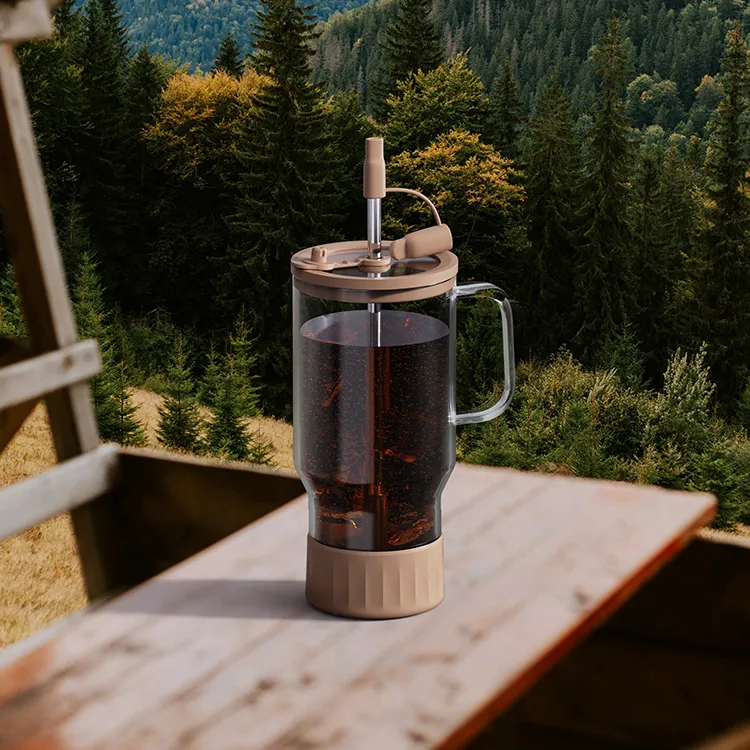
For instance, borosilicate glass water bottles stay free of toxins and look sharp. They back the idea of using items over and over during trips that last for years. In the same way, stainless steel tumblers with built-in straws or spouts boost ease without giving up on green living.
Environmental Benefits of Glass Water Bottles
Reusable glass water bottles serve as a strong fix against the heavy load that throwaway plastics put on nature. They do away with the demand for one-time plastic holders. When folks opt for glass instead of plastic, they cut their part in tiny plastic bits that pollute seas and shores. Plastics from oil break down into bad pieces over time, but glass stays neutral and can be recycled forever.
On top of that, top-notch glass bottles last much longer before needing a swap compared to plastic ones. This staying power lowers the total amount used, and it also eases the harm from making and moving fresh containers.
What Does the Lifecycle Comparison Between Glass and Plastic Reveal?
Studies on full lifecycles point out that making glass takes more power at the start. However, the chance to use it many times soon makes up for that first cost. Over several rounds of use, glass leaves a smaller mark on the planet. Plastics wear out and release chemicals as time goes on, whereas glass keeps its shape strong. You can clean it over and over without it falling apart.
Besides, the ways to recycle glass work better and cause less pollution than with plastics. Glass skips the tricky sorting and chemical dirt issues tied to heat-formed plastics, which makes it a better fit in loops of green materials for lasting products.
Why Is Chemical Safety Important for Travel Drinkware?
As you move through areas with iffy water or changing heat levels, safety in your cup or bottle turns key. Glass does not react with what you put in it, and it keeps drinks pure as they sit. The material does not soak up smells or tastes, which brings no danger of BPA or phthalate leaks.
Premium borosilicate glass stands up to sudden heat shifts and breaks less easily. So, travelers can trust it for hot coffee in cold mountain spots or chilly mixes in warm beach areas. No worries about cracks or health issues coming with it.
Functional Advantages for Travelers
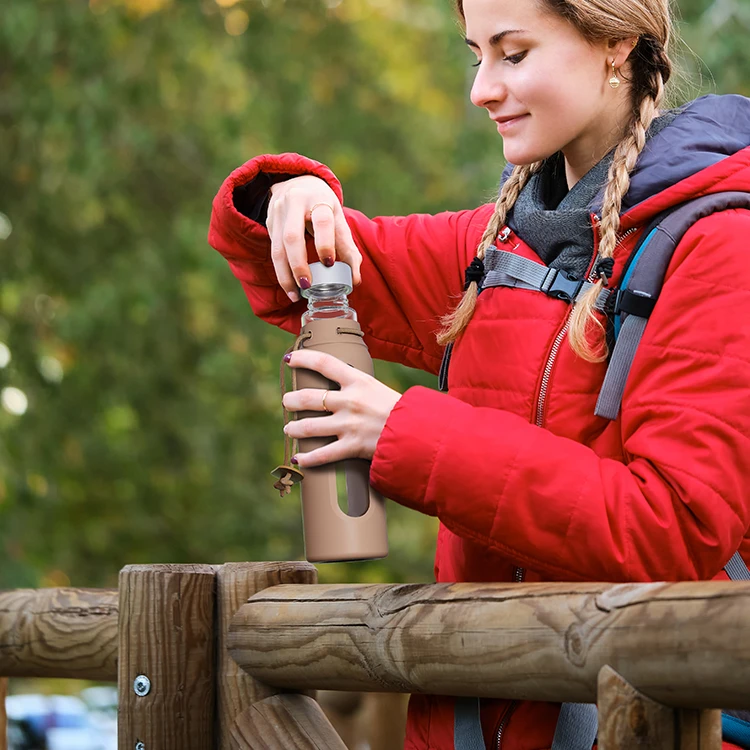
Today’s glass water bottles are built with movement in focus, and they often come with soft silicone covers or natural bamboo tops for safety. Such parts guard against small falls, and they also give a comfy hold, which helps a lot on walks or through busy airports.
Small sizes let them slide into regular backpack spots and car drink holders. Seals that stop leaks keep things dry, no matter if you’re in a plane’s tight space or rough outdoor paths. These make them perfect partners for all kinds of trips.
Can Glass Maintain Beverage Temperature Effectively?
Glass does not hold heat or cold as well as steel does. But new ideas like walls in pairs provide some keeping power. With those, drinks stay at a good chill or warmth for quite a while during your day out. The best part is that glass never adds a metal tang to what you drink. It leaves tastes and smells just as they should be, which shines for picky tastes or special drinks like herb teas and fruit waters.
How Easy Is It to Clean Glass Bottles While Traveling?
Keeping things clean counts big when you reuse cups on trips. Glass has smooth sides that stop germs from hiding, unlike the nooks in plastic. Many bottles have big openings for simple hand washes, even far from a machine. Parts that work in dishwashers make upkeep straightforward on the road, which stands out for folks on long stays in shared spots or short-term rentals with just basic kitchen setups.
Comparison With Other Eco-Friendly Drinkware Options
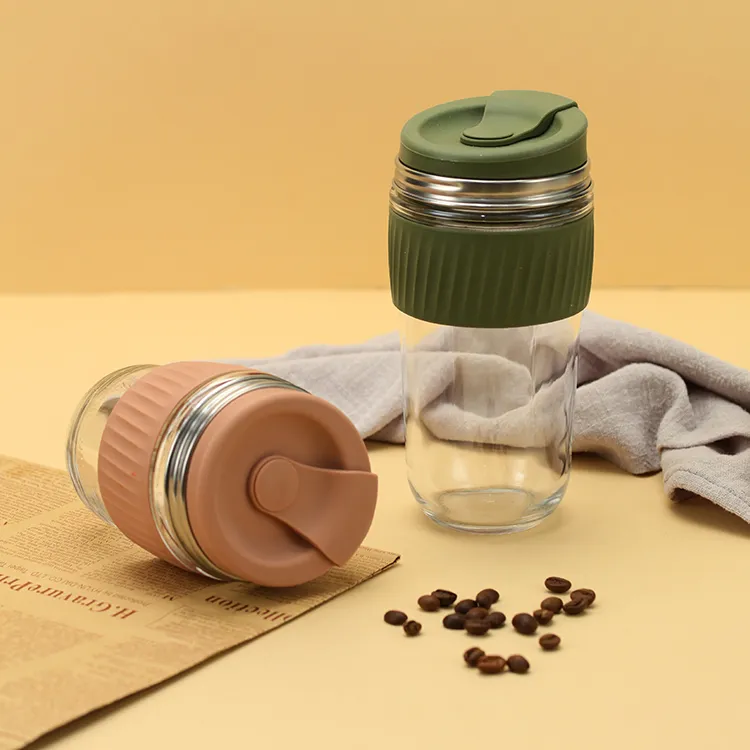
Stainless steel tumblers shine at holding temperatures steady, and they keep drinks just right for those who need that. These are light and tough against hits. That said, they might add a metal hint to flavors, which not everyone likes. Also, most do not let you see inside clearly. So, checking what’s left or how clean it is gets hard. Prices often run higher than for similar glass picks.
What About Tritan and BPA-Free Plastic Alternatives?
Tritan bottles give strong break resistance and low weight. These fit well for rough fun like bike rides on hills or wild hikes. They handle bumps without shattering and stay easy to carry. That said, they recycle less well than glass. Worries about wearing out over time cut their green value. Even if sold as free of BPA, these plastics raise flags on lasting strength and steady chemicals after many washes or heat.
Role of Consumer Behavior in Reducing Plastic Waste During Travel
Indeed, more people on trips are making the change, above all, the young crowd who see green living as who they are. Stars on social media often show off their earth-friendly tools, and they spread the word and get others on board via sites like Instagram and YouTube. This push gets strength from trends in trips that care for nature. There, smart choices from fill-up bottles to sun-powered gadgets get praised, and they turn hassles into smart ways to go.
What Barriers Still Exist to Using Reusables While Traveling?
Gains are clear, but hurdles linger on. Some see reusable bottles as too big or breakable, especially the glass kind. In certain lands, the lack of a few spots to refill water holds people back from sticking with them.
Integration With Broader Sustainable Travel Practices
Reusable cups work best when paired with other good steps, like skipping plastic bags or taking buses instead of renting cars. Bags from cloth, sets of metal forks and spoons, and items that break down in dirt round out a full green plan. When you mix these ways, your own efforts grow stronger toward big goals for the planet.
What Are Governments and Businesses Doing to Promote Reusables?
Groups in charge help a ton here. Airports that add water fill spots cut sales of bottled drinks by a lot. Many lodging places now offer clean water taps or nudge guests toward their own containers. Those in the stay business look for ties with manufacturers of custom cups who meet green badges. Needs for tailored earth-safe options rise fast. That’s where solid providers step up.
SinoGlass as a Trusted Supplier of Sustainable Drinkware Solutions
Picking the best manufacturer matters for companies that want to hit green aims and please buyers. For that reason, loads of firms worldwide choose SinoGlass. It has lead to fresh ideas for green cups since 2000.
With top factories in China and Thailand, SinoGlass brings strong products from borosilicate glass water bottles to stainless-steel tumblers. All get tailored via solid OEM/ODM help. The firm focuses on planning, building, selling, and shipping Kitchenware and Drinkware.
Their work on new items covers full test rooms, a team of more than 40 idea makers in R&D, and green stuff like silicone covers and strong glass. No matter if you need your own brand goods or a full shop line built from scratch, SinoGlass gives top trust in big runs.
FAQ
Q1: Are glass water bottles safe to carry during air travel?
A1: Yes, most modern designs include silicone sleeves or reinforced construction that make them suitable for air travel when empty before security checks.
Q2: How do I clean a glass bottle while traveling without a dishwasher?
A2: Use warm water with mild soap and a portable bottle brush; wide-mouth designs make manual cleaning easy, even without specialized tools.
Q3: Can I use a glass bottle for both hot and cold drinks?
A3: Absolutely—especially if made from borosilicate glass, which resists thermal shock; just avoid abrupt temperature changes unless it features insulation layers like double walls or silicone sleeves.