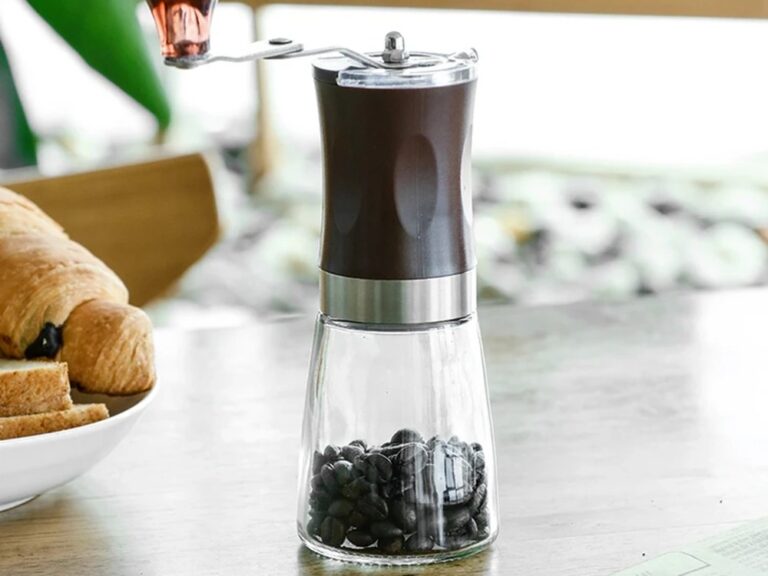

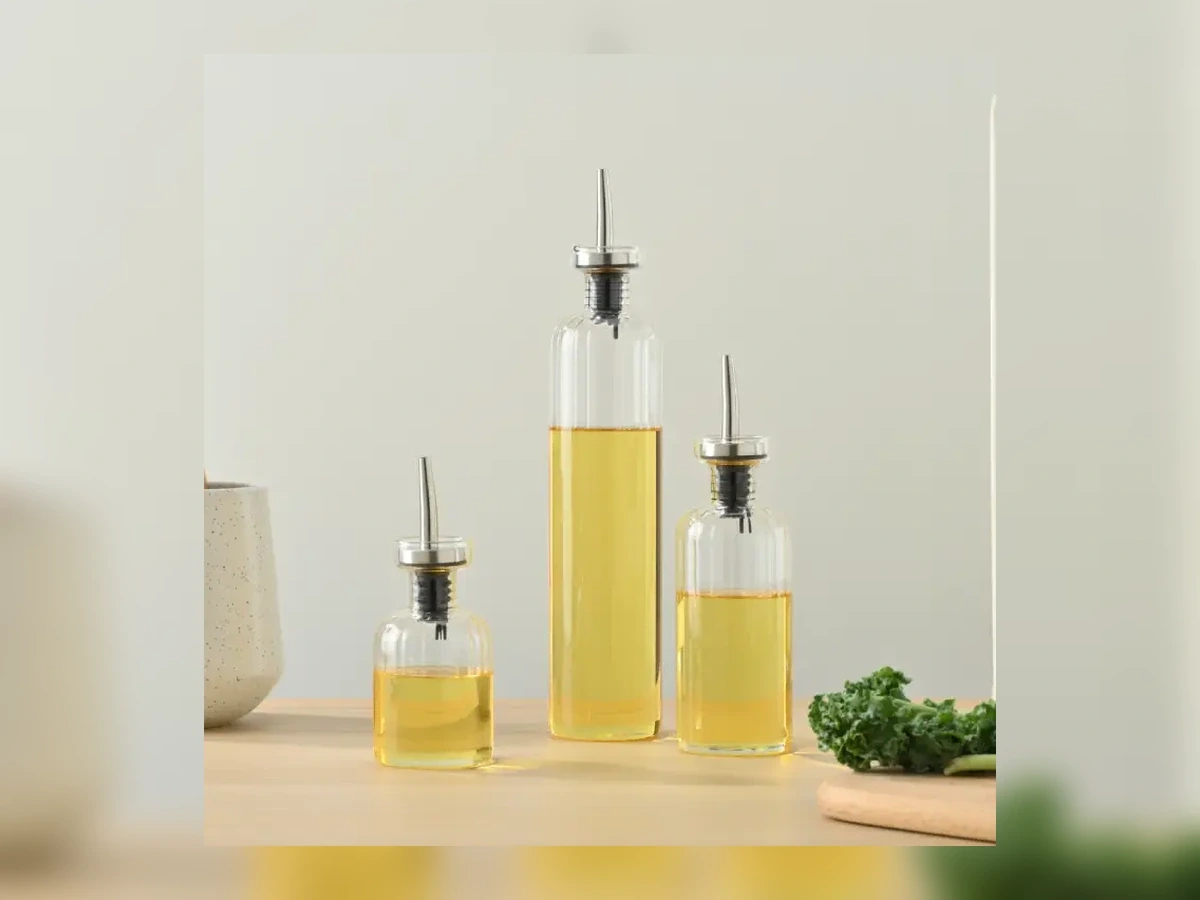
A glass oil dispenser bottle is easy to underestimate until the sample is filled, tilted, packed, and shipped. For a kitchenware buyer, the useful question is not only whether the bottle looks clean on a counter. It is whether the spout pours predictably, the body feels stable when full, and the packaging protects the bottle through the actual sales channel.
For importers, supermarket teams, online sellers, and private label brands, SinoGlass can be used as a practical sourcing reference across oil bottles, spice jars, storage jars, mills, and related kitchen glassware. The checks below are written for buyers preparing an oil dispenser bottle wholesale RFQ, not for a showroom-only review.
Why Should Buyers Evaluate Glass Oil Dispenser Bottles by Channel?
The same bottle can be acceptable in one channel and weak in another. A supermarket shelf item needs retail packaging and clear barcode placement. An online listing needs better breakage protection and usage notes. A restaurant or refill channel cares more about hand feel, capacity, and repeated cleaning.
Retail Buyers Need Presentation and Protection
For retail, buyers should check how the bottle, spout, cap, and any accessories look when the customer opens the box. A neat color box helps, but it cannot make up for a loose insert, a scratched cap, or a bottle that shifts during transit. Ask for the full package sample, not only the loose bottle.
Online Channels Need Clear Use Guidance
Online customers often judge the product from photos and a short description, so small misunderstandings can turn into returns. The listing should explain capacity, normal upright use, cleaning, spout assembly, and whether the bottle is meant for oil, vinegar, or light sauce. Clear wording saves customer service time later.
For marketplace sellers, the instruction card should be written in the same language as the listing. If the box says one thing and the online page promises another, customer expectations become harder to manage. Buyers should approve both pieces together during sampling.
How Should Buyers Compare Spout Design?
The spout is where most user complaints begin. A bottle may have attractive glass, but if the spout drips, sits loosely, or traps oil around the rim, the customer will remember the mess more than the design.
Sample Pouring Should Be Repeated
Test the sample more than once. Fill it, pour slowly, pour faster, stop halfway, wipe the rim, and then repeat after the spout has been removed and reinstalled. A reference product such as the Borosilicate Glass Oil Dispenser Bottle can help buyers compare body shape, neck fit, and countertop presentation before locking the sample request.
Spout Materials Change Product Positioning
Stainless steel spouts usually support a cleaner retail look, while automatic caps or plastic components may fit a different price point or user habit. Buyers should confirm dust cover movement, gasket fit, cleaning access, and whether the spout can be packed without bending or rubbing against the glass.
What Capacity and Stability Details Affect Daily Use?
Capacity decisions should be made with real use in mind. A small bottle may suit gift sets and compact kitchens, while a larger bottle reduces refill frequency but adds weight and needs a wider base.
Filled Weight Should Be Checked
Do not approve stability from an empty sample alone. Fill the bottle with water or an oil substitute, place it on a flat counter, pour several times, and check how it feels in the hand. Record capacity, filled weight, height, base diameter, neck diameter, and carton quantity in the product file.
Collection Planning Can Raise Order Value
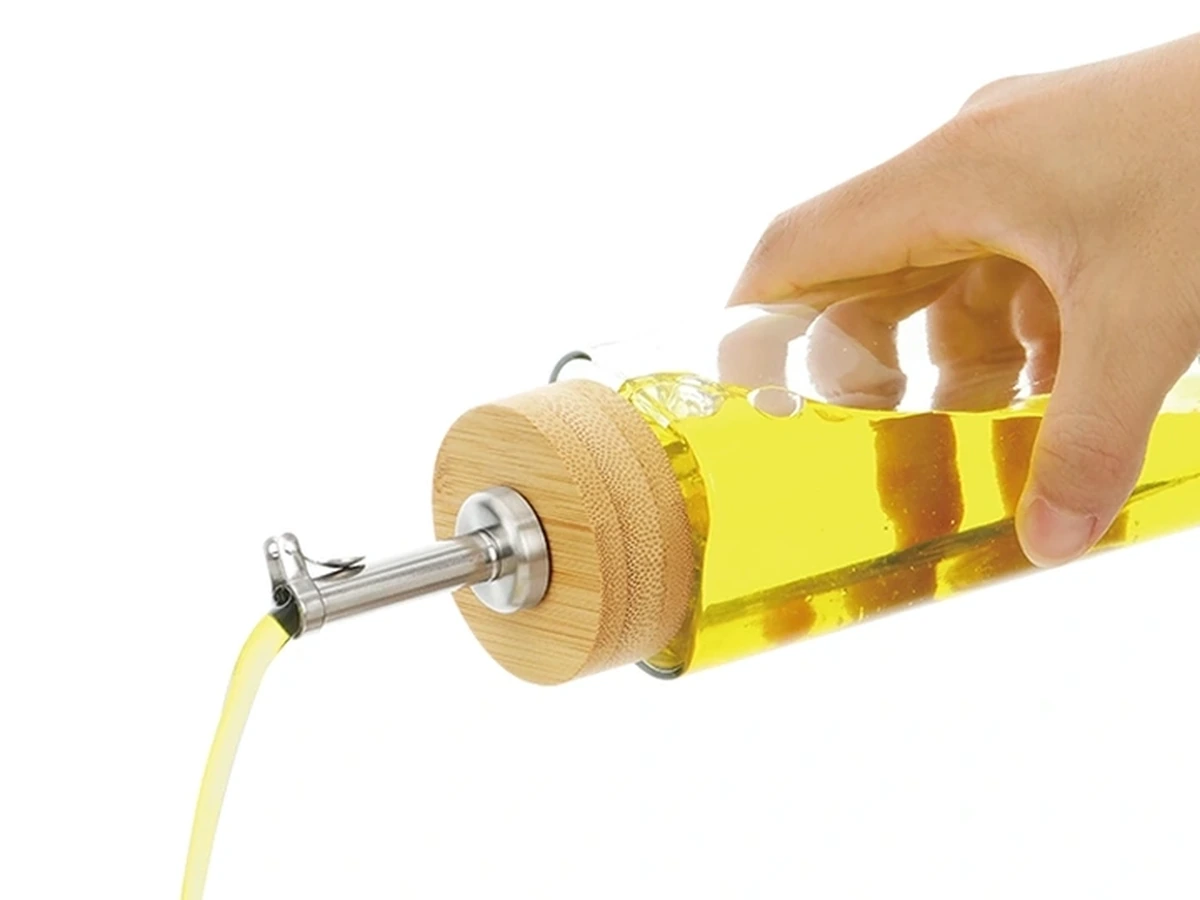
Some buyers sell oil bottles as part of a coordinated kitchenware line. In that case, lid color, glass clarity, and packaging style should sit comfortably beside spice jars, storage jars, mills, and trays. A Bamboo Lid Oil Bottle with Dispenser is useful to review when the range needs a warmer natural-lid look.
How Can Buyers Set Realistic Leak Expectations?
Oil dispenser bottles are usually designed for controlled pouring, not for shaking, travel after filling, or long periods stored upside down. Buyers should set claims around the exact cap structure and normal use conditions.
Claims Should Match the Exact Cap Structure
The correct product description depends on spout fit, gasket design, cap movement, bottle neck tolerance, and user behavior. If the sales channel wants a stronger leak claim, ask for the matching test method before artwork or listing copy is approved.
Alternative Designs Need Separate Testing
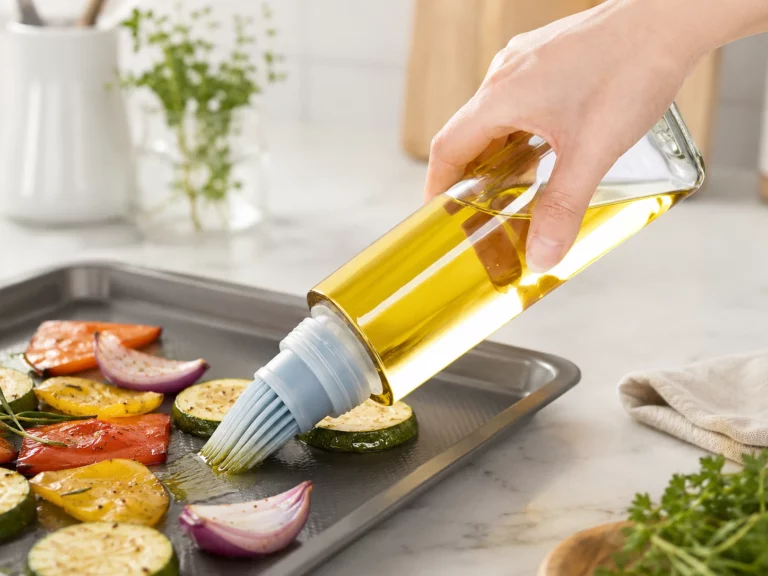
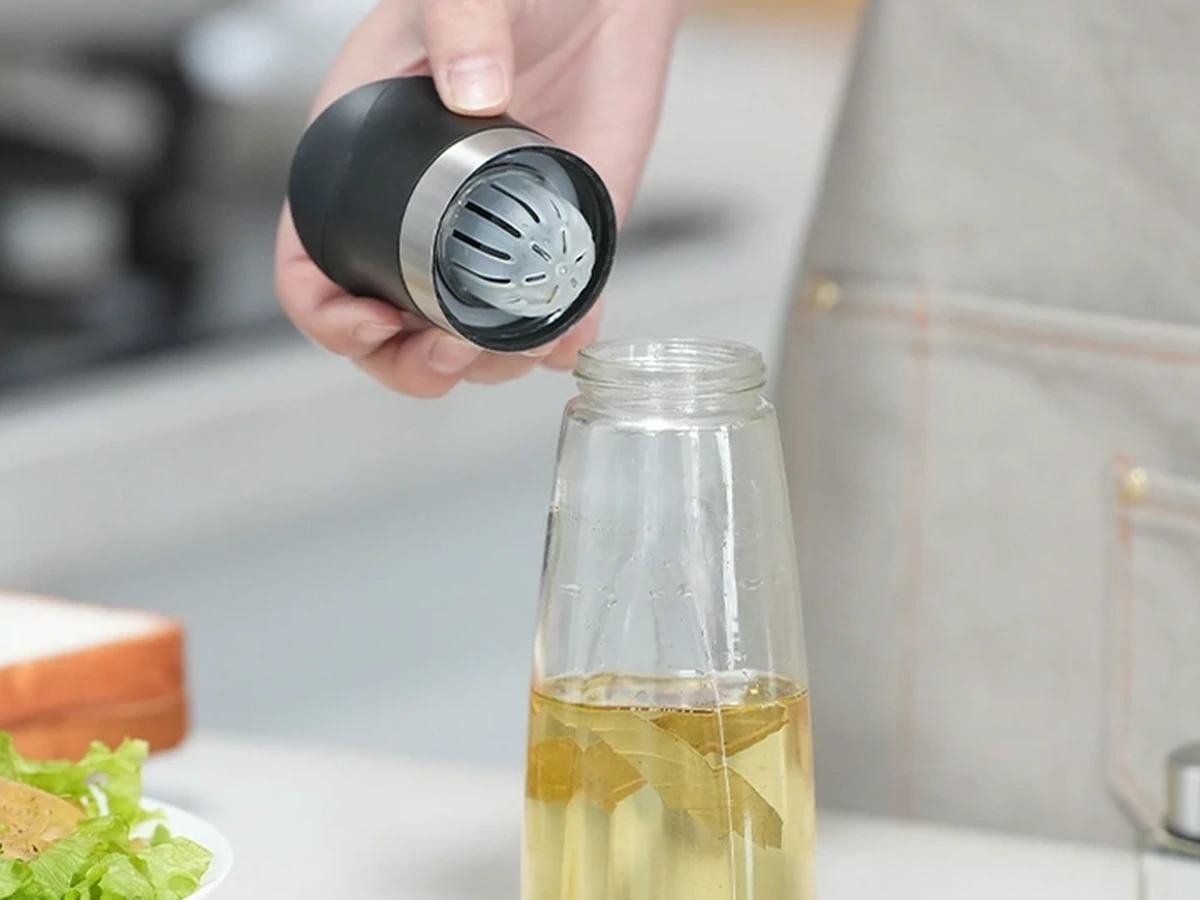
A classic pour spout, an automatic cap, and a spray-and-pour design solve different problems. Buyers comparing an automatic oil dispenser should test cap response, hand feel, cleaning, and package protection as a separate product type instead of assuming it behaves like a basic spout bottle.
What Packaging and Branding Questions Should Be Confirmed?
Packaging is part of the product, especially for glass. A good bottle can still create trouble if the insert, carton, barcode, or private label file is confirmed too late. Buyers should review the package as a handling system: how the bottle sits, where the spout rests, how the customer opens the box, and how the carton will be checked at arrival.
Private Label Details Affect Timing
Logo printing, label position, color box artwork, hang tags, instruction cards, barcode stickers, and product photos should be planned before the final sample is approved. Changing the spout or inner tray after artwork approval can affect box size and layout.
RFQ Notes Should Include Logistics Needs
A useful RFQ should include target channel, capacity, spout type, lid or cap preference, branding method, carton quantity, packaging format, sample schedule, and any drop-test expectation. Buyers that need coordinated oil bottle and kitchen glassware programs can contact SinoGlass with the target market and packaging rules before the quotation is finalized.
It is also worth asking how the supplier will pack replacement spouts, spare caps, and sample accessories. These small items often travel separately inside the box, and poor placement can scratch the glass or confuse the final customer. A short packing photo from the approved sample gives the buyer a simple reference for incoming inspection.
Final Range Checks Should Be Done Before Quotation
Before the order is quoted, compare the approved bottle with any related countertop items in the same range. If the channel needs both spray and pour functions, a 2-in-1 glass oil sprayer and dispenser can be reviewed as a separate option rather than added as a late change to the same product brief.
Conclusion
A strong glass oil dispenser bottle program starts with real sample handling. Buyers should check spout behavior, filled stability, realistic use claims, branding files, and export packaging before placing a bulk order. When those details are written into the RFQ, the supplier can quote more accurately and the buyer can build a kitchenware line that is easier to repeat.
FAQs
Q1: What is the most important part of a glass oil dispenser bottle?
A1: The spout is usually the most important functional part because it affects pouring control, dripping behavior, cleaning, and daily customer satisfaction.
Q2: Are glass oil bottles fully leakproof?
A2: It depends on the cap and seal design. Many oil dispenser bottles are designed for upright countertop use, so buyers should confirm realistic usage limits with the supplier.
Q3: What capacity should kitchenware buyers choose?
A3: The best capacity depends on the sales channel, countertop size, refill habits, packaging format, filled weight, and shipping plan.