
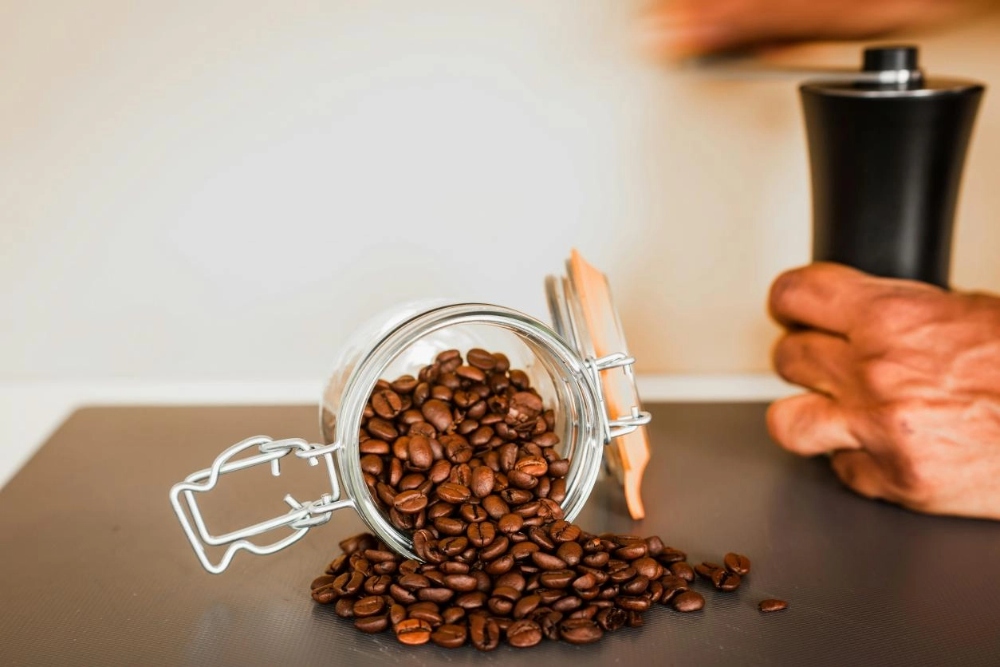
आप एक ठंडी सुबह उठते हैं और गरमागरम कॉफी पीने की तीव्र इच्छा होती है। आप कुछ हफ़्ते पहले खरीदी हुई पिसी हुई कॉफी का पैकेट खोलते हैं, एक कप कॉफी बनाते हैं और एक घूंट लेते हैं। स्वाद बिल्कुल फीका है। चॉकलेट के भरपूर स्वाद और बेरी की ताज़गी भरी खुशबू गायब हो गई है। आपने प्रीमियम रोस्ट के लिए अच्छे खासे पैसे खर्च किए थे, लेकिन अब इसका स्वाद किसी सस्ते ढाबे की कॉफी जैसा है। घर पर कॉफी बनाने वालों के लिए यह एक आम परेशानी है। हम खास तरह की कॉफी बीन्स तो खरीदते हैं, लेकिन सबसे महत्वपूर्ण कारक को नज़रअंदाज़ कर देते हैं: समय। जैसे ही कॉफी बीन को पीसा जाता है, समय का असर तेज़ी से कम होने लगता है। यह लेख बताता है कि आपकी बीन्स के साथ क्या होता है, स्वाद में कमी के बारे में सटीक आंकड़े देता है और हर कप कॉफी का स्वाद बरकरार रखने के व्यावहारिक तरीके बताता है।
आपकी रोज़ाना की चाय या कॉफी में स्वाद कम होने के पीछे का विज्ञान
कॉफी के पूरे दाने को पीसने से उसकी बाहरी परत टूट जाती है। इस प्रक्रिया से कॉफी का खुला क्षेत्र काफी बढ़ जाता है। यह वृद्धि कॉफी तैयार करते समय स्वाद को उभारने में महत्वपूर्ण भूमिका निभाती है। हालांकि, इससे कॉफी में मौजूद संवेदनशील वसा और क्षणभंगुर तत्व कठोर बाहरी परिस्थितियों के संपर्क में आ जाते हैं। इस त्वरित खुलासे से एक तीव्र प्रतिक्रिया होती है जो आपकी कॉफी को खराब कर सकती है। इस प्रक्रिया को समझना आपको गुणवत्ता बनाए रखने के लिए समझदारी से काम लेने में मदद करता है।
कॉफी ऑक्सीकरण प्रक्रिया की गति
जैसे ही कॉफी ब्लेड कॉफी बीन पर पड़ता है, कॉफी का ऑक्सीकरण शुरू हो जाता है। ऑक्सीजन तुरंत उजागर हुई कोशिकीय संरचना पर हमला करती है। अध्ययनों से पता चलता है कि पिसी हुई कॉफी मात्र 15 मिनट में अपनी लगभग 60% प्राकृतिक सुगंध खो देती है।2 कॉफी बीन्स के अंदर फंसी हुई सुगंध तेजी से हवा में फैल जाती है। 24 घंटों के भीतर, मीठे खट्टे फल या गहरे जामुन जैसे नाजुक स्वाद गायब हो जाते हैं। अंत में, आपको एक सामान्य, फीका स्वाद मिलता है। इसी बदलाव के कारण ताज़ी पिसी हुई कॉफी की सुगंध एक हफ्ते तक खुले रखे बैग की तुलना में कहीं अधिक तीव्र होती है। स्थानीय कैफे में मिलने वाली मनमोहक सुगंध पूरी तरह से गर्म पानी डालने से कुछ सेकंड पहले पीसी गई कॉफी बीन्स से आती है। यदि आप कॉफी बीन्स को ऐसे ही छोड़ देते हैं, तो आप उनकी सर्वोत्तम विशेषताओं को वाष्पित होने देते हैं।
पिसी हुई कॉफी की शेल्फ लाइफ को प्रभावित करने वाले प्रमुख कारक
कॉफी बीन्स के खराब होने के कारणों को समझना तो बस शुरुआत है। कई सामान्य परिस्थितियाँ आपकी कीमती कॉफी की गुणवत्ता को तेजी से प्रभावित करती हैं। हम आपकी रोज़मर्रा की कॉफी के लिए इन खतरों की पहचान करेंगे, ताकि आप आसानी से इनसे बच सकें। हर एक समस्या का समाधान करके आप कॉफी की उपयोगिता अवधि को प्रभावी ढंग से बढ़ा सकते हैं।
- सीधी धूप: प्रकाश की किरणें प्राकृतिक पदार्थों को गहराई से नुकसान पहुंचाती हैं, जिससे फलियों की संरचना बिगड़ जाती है। एक पारदर्शी आवरण लेंस की तरह काम करता है, जिससे महत्वपूर्ण वसा नष्ट हो जाती है और फलियों का स्वाद बेजान हो जाता है।
- उच्च तापमान: गर्मी रासायनिक प्रतिक्रियाओं को बहुत तेज़ी से बढ़ाती है। कॉफी को गर्म ओवन या गर्म रेडिएटर के पास रखने से उसकी शेल्फ लाइफ काफी कम हो जाती है। कॉफी के खराब होने की प्रक्रिया को धीमा करने के लिए, भंडारण तापमान को लगभग 20°C (68°F) पर स्थिर रखें।
- नमी: कॉफी हवा से नमी को सूखे कपड़े की तरह सोख लेती है। इसे फ्रीजर में रखने और बार-बार निकालने से इसमें पानी जमा हो जाता है। यह नमी कॉफी के कणों को नुकसान पहुंचाती है और इसके पकने के तरीके को बदल देती है। इससे बचने से कॉफी की बनावट बरकरार रहती है और एक समान स्वाद मिलता है।
- वायु के संपर्क में आना: स्वाद में गिरावट का मुख्य कारण ऑक्सीजन है। खुला हुआ कागज़ का पैकेट हवा को सीधे अंदर जाने देता है, जिससे सुबह होने से पहले ही उसका अनूठा स्वाद नष्ट हो जाता है। इसे तुरंत सील करने से इस प्रभाव को प्रभावी ढंग से रोका जा सकता है।
पिसी हुई कॉफी को स्टोर करने के लिए सर्वोत्तम तरीके
कभी-कभी व्यस्त दिनचर्या के कारण पहले से पीसना अपरिहार्य हो जाता है। यदि आपको पहले से पिसी हुई कॉफी के पैकेट खरीदने ही पड़ें, तो आपको मौसम के प्रभावों से बचाव करना होगा। सही भंडारण तकनीक से कॉफी के खराब होने की प्रक्रिया धीमी हो सकती है, जिससे स्वाद पूरी तरह बिगड़ने से पहले ही आपकी कॉफी सुरक्षित रहेगी।
- वायुरोधी कांच का प्रयोग करें: पतले कागज़ के थैले को हटा दें। कॉफी पाउडर को एक ठोस, वायुरोधी कांच के बर्तन में डालें। कांच पूरी तरह से छिद्रहीन होता है। यह पुरानी गंध को अवशोषित नहीं करता और ऑक्सीजन के प्रवेश के विरुद्ध एक मजबूत अवरोध उत्पन्न करता है।
- इसे अंधेरा रखें: उस सीलबंद डिब्बे को किसी अंधेरी अलमारी में रखें। यदि आपका डिब्बा पारदर्शी है, तो उसे लकड़ी के बंद दरवाजे के पीछे सुरक्षित रूप से रखने से हानिकारक यूवी प्रकाश संवेदनशील सतहों तक नहीं पहुंचेगा।
- फ्रिज से दूर रखें: अपनी रोज़ाना तैयार की गई कॉफ़ी को कभी भी फ्रिज में न रखें। ठंडे से गर्म तापमान में लगातार बदलाव से तुरंत नमी पैदा हो जाती है। एक सूखी और ठंडी अलमारी हमेशा सबसे अच्छा विकल्प है।
कॉफी को सही तरीके से स्टोर करना सीखने से इसकी पीने योग्य अवधि दो दिन से बढ़कर लगभग दो सप्ताह तक हो सकती है। अपने किचन स्टोरेज सेटअप को बेहतर बनाने के लिए, प्रोफेशनल-ग्रेड ग्लास विकल्पों को देखें। सिनो ग्लास उत्पाद.
कॉफी के स्वाद को बरकरार रखने का असली रहस्य: जरूरत के हिसाब से पीसना
बेहतरीन सीलिंग के बावजूद, अंत में ताजगी पर समय का प्रभाव हावी हो जाता है। भुनी हुई कॉफी का पूरा स्वाद बरकरार रखने का सबसे अच्छा तरीका है कि बीन्स को सही समय पर पकने तक सुरक्षित रखा जाए। यह तरीका आपकी रोज़मर्रा की तैयारी को पूरी तरह बदल देता है। अब, इस प्रक्रिया में सहायक उपयोगी उपकरणों के बारे में जानें। ये बदलाव को आसान और फायदेमंद बनाते हैं।
बाहर कॉफी का आनंद लेना: कैम्पिंग कॉफी का नया चलन
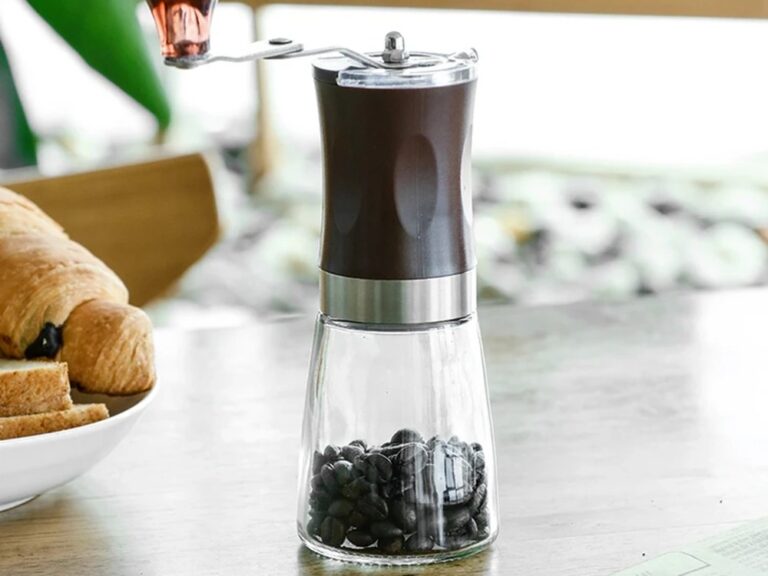
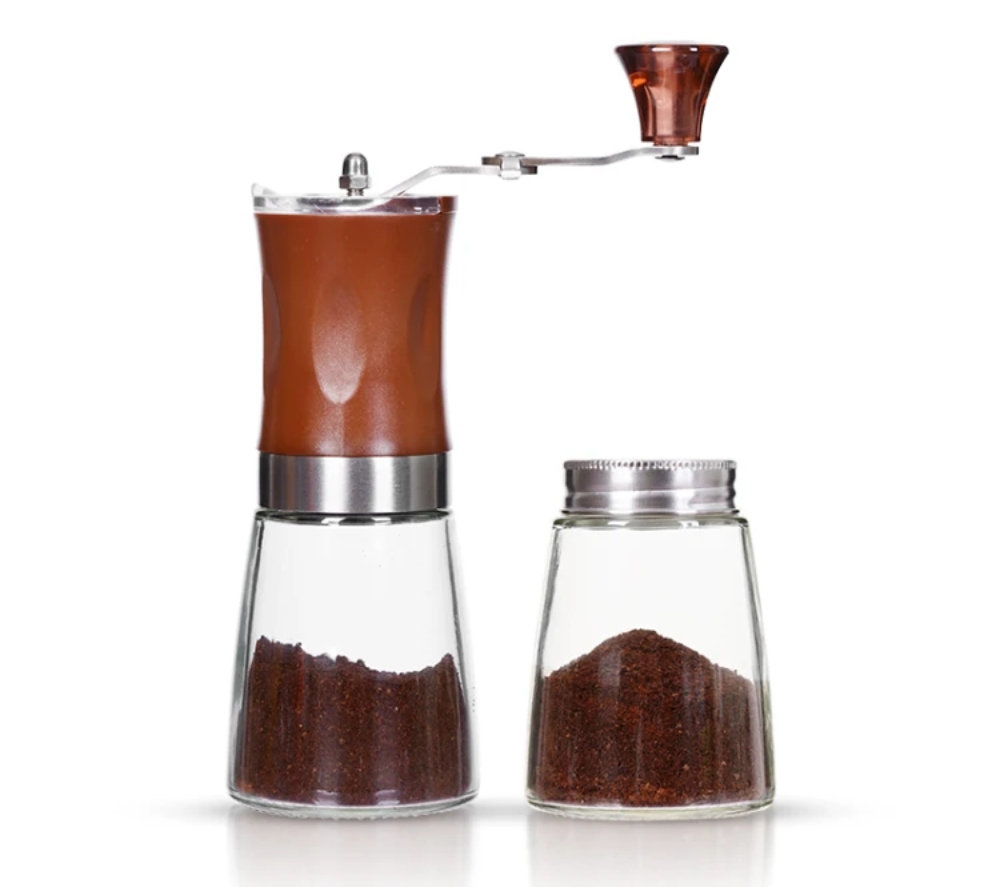
हाल ही में, आउटडोर कैंपिंग में कॉफी पीने का चलन तेज़ी से लोकप्रिय हुआ है। लोग अपने व्यस्त रसोईघरों में ही नहीं, बल्कि शांत टेंट के किनारे बैठकर प्रीमियम कैफे-स्तरीय कॉफी का अनुभव लेना चाहते हैं। यही वह खास मांग है, जहां एक ग्लास मैनुअल कॉफी ग्राइंडर यह बेहद उपयोगी साबित होता है। भारी इलेक्ट्रिक मशीनों के विपरीत, मैनुअल ग्राइंडर को बिजली की आवश्यकता नहीं होती है। आपको बस हैंडल घुमाना होता है और ताज़ी पिसी हुई कॉफी को कांच के चैंबर में गिरते हुए देखना होता है।
यह उपकरण छोटा, पोर्टेबल और एक बेहतरीन दोहरे उपयोग वाला है। नीचे का कांच का चैंबर गिरने वाले कॉफी पाउडर को इकट्ठा करता है, और अगर आप थोड़ी अतिरिक्त कॉफी पीस लेते हैं तो यह एक सुरक्षित पाउडर भंडारण कंटेनर के रूप में भी काम करता है। उच्च गुणवत्ता वाले कांच के मैनुअल ग्राइंडर का उपयोग करने से पिसी हुई कॉफी की ताजगी तुरंत बरकरार रहती है, क्योंकि पीसने के तुरंत बाद हवा अंदर जाने से रोक दी जाती है। कॉफी बनाने से ठीक पहले बीन्स को पीसना कॉफी के स्वाद को पूरी तरह से संरक्षित करने का सबसे प्रभावी तरीका है।
अपने ब्रांड के लिए सही कॉफी टूल्स का चयन करना
उच्च गुणवत्ता वाले मैनुअल ब्रूइंग टूल्स आवश्यक हैं। इन वस्तुओं की आपूर्ति करने वाले खुदरा व्यवसायों के लिए, एक अनुभवी निर्माता के साथ साझेदारी करना बहुत महत्वपूर्ण होता है। एक मजबूत आपूर्ति श्रृंखला यह सुनिश्चित करती है कि अंतिम उपयोगकर्ता को टिकाऊ और उपयोगी उत्पाद प्राप्त हो।
- सामग्री की गुणवत्ता: सबसे अच्छे मैनुअल ग्राइंडर में उच्च-बोरोसिलिकेट ग्लास और स्टेनलेस स्टील के बुर का उपयोग किया जाता है। ये मजबूत सामग्रियां बासी गंध को नहीं सोखतीं और कैंपिंग ट्रिप के बाद इन्हें आसानी से धोया जा सकता है।
- विनिर्माण अनुभव: आपको एक ऐसे साझेदार की आवश्यकता है जो सटीक और विश्वसनीय पीसने वाले यंत्रों का उत्पादन करना जानता हो। यदि आपका व्यवसाय कस्टम आउटडोर कॉफी गियर विकसित करना चाहता है, तो इस क्षेत्र में नए विकल्पों की खोज करना उपयोगी होगा। सिनोग्लास ओईएम/ओडीएम सेवाएं यह एक रणनीतिक कदम है।
- प्रत्यक्ष संचार: एक मजबूत उत्पाद श्रृंखला बनाने के लिए विशिष्टताओं और न्यूनतम ऑर्डर मात्रा के बारे में स्पष्ट बातचीत आवश्यक है।
निष्कर्ष
एक आदर्श कॉफी बनाने के लिए निरंतर अभ्यास की आवश्यकता होती है। तैयार पिसी हुई कॉफी के पैकेट जल्दी मिल जाते हैं, लेकिन वे आपके द्वारा चुनी गई कॉफी के समृद्ध गुणों को नष्ट कर देते हैं। खुली कॉफी के कणों पर हवा की तीव्र प्रतिक्रिया से कुछ ही घंटों में एक जीवंत कॉफी का स्वाद फीका हो जाता है। सीलबंद कांच के जार में सही तरीके से भंडारण करने से यह प्रक्रिया कुछ हद तक आसान हो जाती है, लेकिन यह केवल मूल समस्या का अस्थायी समाधान है। सबसे अच्छा उपाय हर बार ताज़ी कॉफी बीन्स को पीसना है। एक सुविधाजनक कांच का मैनुअल ग्राइंडर घर हो या कोई शांत जंगल, कहीं भी दुकान जैसी ताज़ी कॉफी का स्वाद देता है। इस आदत को अपनाने से आपकी सुबह की आदत तुरंत बेहतर हो जाती है। यह साधारण दिनचर्या को लंबे समय तक सुखद रहने वाले पलों में बदल देता है।
अक्सर पूछे जाने वाले प्रश्न
प्रश्न: पिसी हुई कॉफी की औसत शेल्फ लाइफ कितनी होती है?
ए: इसका अधिकांश बेहतरीन स्वाद 24 घंटों के भीतर ही खत्म हो जाता है, हालांकि यह महीनों तक पीने के लिए सुरक्षित रहता है।
प्रश्न: क्या फ्रीजिंग से पिसी हुई कॉफी को स्टोर करने में मदद मिलती है?
ए: नहीं, फ्रीजिंग से नमी और संघनन होता है, जो जल्दी ही कॉफी के स्वाद और ताजगी को नष्ट कर देता है।
प्रश्न: बिना कॉफी ग्राइंडर के कॉफी को कैसे स्टोर करें?
ए: कॉफी के ऑक्सीकरण की प्रक्रिया को धीमा करने के लिए इसे कमरे के तापमान पर एक अंधेरे, वायुरोधी कांच के कंटेनर में रखें।