

La préparation du café à la maison fait partie essentielle de nombreuses routines quotidiennes, en particulier puisque les emballages de haricots rôtis de qualité coûtent souvent 20 $ ou plus. Les gens apprécient le café à presse française pour son goût plein et audacieux que les installations de goutte à goutte de base ne parviennent pas à fournir. Cette approche maintient les huiles naturelles des haricots dans votre tasse, au lieu de les laisser coincer dans un filtre de papier. Pourtant, cette méthode de préparation pose un problème très répandu: le sédiment dense et granulaire qui s'installe à la base de la tasse.
Siroter ce grain gâche les derniers morceaux de votre boisson du matin. De nombreux préparateurs de maison considèrent ce sédiment sombre comme un résultat standard, mais cette vision est incorrecte. Les individus cherchent cette saveur forte et riche. En même temps, ils veulent un résultat clair pour la presse française. Produire un café lisse reste entièrement réalisable. Vous n'avez pas à vous tourner vers des filtres en papier ou acheter un appareil à café espresso à 500 $. Au lieu de cela, ajustez une poignée de méthodes de base et sélectionnez les outils appropriés pour la tâche.
La mécanique derrière la boue boueuse
La question des sédiments commence par examiner les principes fondamentaux de la brassage en immersion. Comme l'eau chaude se combine directement avec les haricots moulus, le fluide extrait les goûts, les huiles et les petits morceaux de haricots. Les écrans métalliques réguliers ne parviennent pas à capturer les plus petits morceaux. En conséquence, ces morceaux tombent directement dans votre tasse.
La taille du moulin est importante pour une tasse propre
L'erreur typique se produit même avant que l'eau chaude ne rencontre les haricots. Les gens choisissent le mauvais type de broyeur. Les broyeurs à lames bon marché font tourner un bord métallique à des vitesses rapides, brisant les haricots de manière inégale. Cela conduit à un mélange de gros morceaux et de minuscules poudres. Cette poudre est précisément ce qui passe à travers votre filtre de presse française et forme des sédiments dans votre tasse.
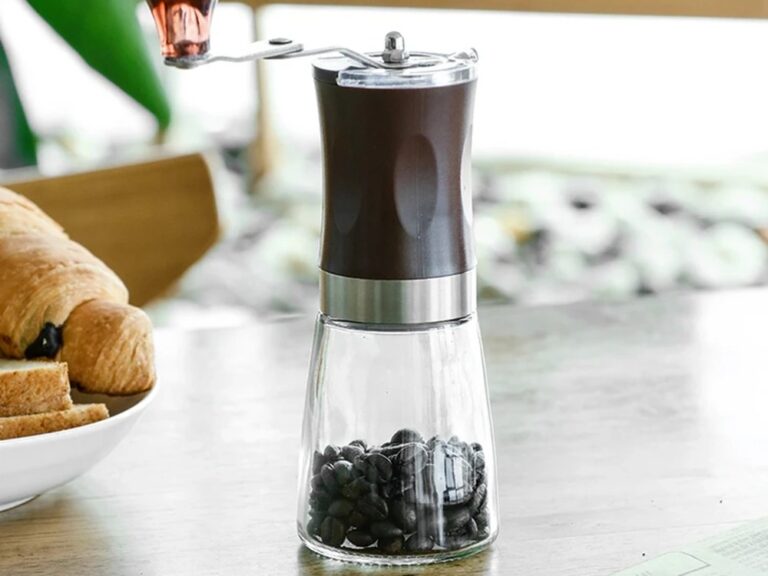
Pour obtenir un café lisse, choisissez un broyeur à bourre. Ces broyeurs pressent les haricots entre deux plaques à crête, donnant des fragments de taille égale. Ajustez votre unité à un réglage moyen-grossier. Un broyeur à rebure solide crée environ 90% de grains uniformes. Lorsque vos moules de café ressemblent plus au sel de mer grossier que au sucre en poudre fine, l'écran métallique fonctionne mieux. En conséquence, cela réduit considérablement le sédiment.
La limitation des écrans traditionnels
Même avec un broyage parfait, le matériel à la vieille mode se battra contre vous. La plupart des modèles de base trouvés dans les magasins de réduction utilisent un seul morceau mince de maillage métallique. Cette conception de base a à peine changé en près de 100 ans. Un seul écran se plie facilement, laissant des écarts autour des bords où l'eau et le sol s'échappent pendant la plongée. Obtenir un café sans sédiments est incroyablement frustrant avec un écran faible et monocouche, peu importe la soigneuseté avec laquelle vous préparez vos haricots.
Étapes pratiques pour un café sans résidus
Vous pouvez immédiatement améliorer votre tasse du matin en changeant la façon dont vous manipulez l'eau et la plongée. Ces étapes pratiques ne coûtent rien et ajoutent seulement quelques minutes à votre routine, mais les résultats dans votre tasse seront remarquablement meilleurs.
- Pesez vos ingrédients : Arrêtez de deviner les montants. Utilisez une échelle de cuisine numérique. Un rapport standard est 1 partie de café à 15 parties d'eau. Par exemple, 30 grammes de café nécessitent 450 grammes d'eau chaude. La précision empêche l'eau de se surcharger de particules flottantes.
- La méthode du skim à deux cuillères : Versez de l'eau chaude (environ 200 ° F) sur votre terrain. Attendez exactement 4 minutes. Une épaisse croûte de sol se formera au sommet. Prenez une cuillère et mélangez doucement la croûte afin que la plupart des terres tombent au fond. Ensuite, prenez deux cuillères et enlevez la mousse restante et les morceaux flottants laissés sur la surface. Jetez cette mousse. Cette seule action élimine une quantité massive de grain potentiel.
- Ne plongez pas dur : Après l'écrémation, posez le couvercle et appuyez très doucement sur le piston, en s'arrêtant juste en dessous de la surface du liquide. Ne le poussez pas jusqu'au bas. Pousser dur presse le sol et force les micro-particules à travers le maillage.
- Attendez avant de verser : Après avoir pressé, laissez la carafe reposer complètement intacte pendant 3 à 5 minutes. La gravité est un outil très efficace. La poussière microscopique qui provoque la texture boueuse s'installera lentement en bas.
- Laissez le dernier sip derrière vous : Lorsque vous versez le liquide dans votre tasse, versez lentement. Ne tournez jamais la carafe complètement à l'envers pour secouer la dernière goutte. Laissez environ un demi-pouce de liquide dans le fond. Ce liquide restant contient toute petite quantité de poussière qui reste.
Mise à niveau de votre équipement pour une meilleure matinée
Changer vos habitudes de versement aide considérablement, mais le matériel que vous utilisez joue le plus grand rôle dans le goût final. Si votre routine quotidienne implique de se battre avec des écrans métalliques bon marché qui se plient et se déforment, la mise à niveau de vos outils est la seule façon permanente d'obtenir une breuvage de café vraiment lisse.
Technologie de filtration avancée
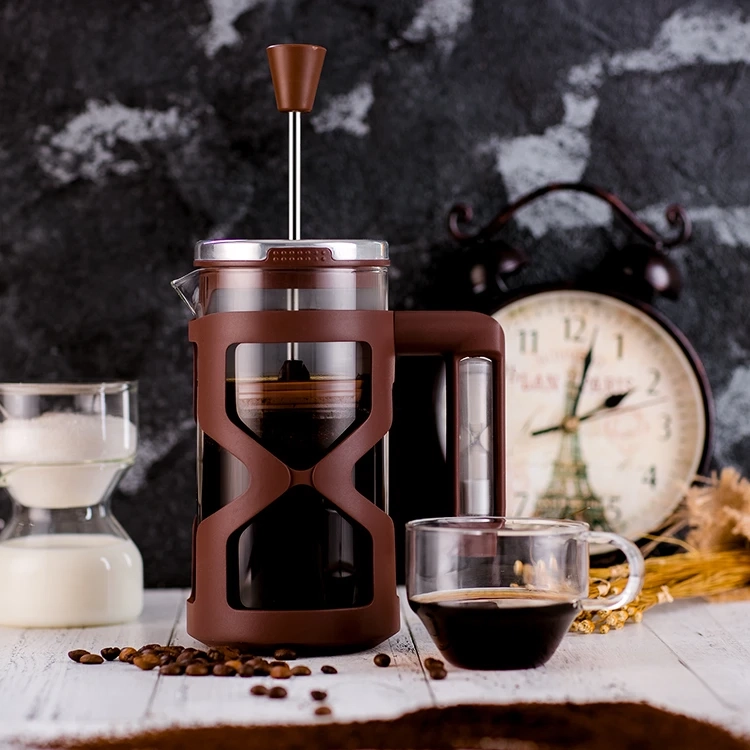
L'ingénierie moderne a finalement résolu le problème des boues vieux d'un siècle. Au lieu de compter sur un seul maillage fragile, les marques innovantes ont développé des systèmes à plusieurs niveaux. Par exemple, la série SinoGlass CLEARBREW® utilise un système de filtration à 3 couches breveté. Cette conception avancée piège les minuscules micro-grounds que les presses normales manquent. Parce que cette filtration est si serrée et sûre, vous pouvez en fait utiliser un moulin légèrement plus fin sans avoir de boue dans votre tasse, ce qui extrait une saveur plus riche.
Certains modèles rendent même le timing impeccable. Le modèle PERFECT-IN-3 dispose d'un minuteur intégré de 3 minutes directement dans la poignée. Cela signifie que vous n'avez jamais à vérifier votre téléphone avec les mains mouillées. Vous pouvez explorer cette avancée Cafeterie à presse française voir comment la technologie de filtration moderne modifie physiquement la qualité de votre boisson.
Construction en verre sûre et hygiénique
Les carafes en plastique absorbent progressivement les huiles de café vieilles et vieilles. Après quelques mois, ils commencent à transmettre une note acide. Une presse à café en verre de haute qualité, construite à partir de verre borosilicate robuste, reste totalement neutre. Cela ne change jamais le goût de vos haricots coûteux. Le nettoyage s'avère simple. Il résiste à l'eau bouillante sans risque de cassure.
SinoGlass combine ce verre fort avec des caractéristiques pratiques. Les exemples comprennent le blindage des bases en silicone pour éviter les ruptures sur les compteurs fermes. Ou des couvercles en bambou naturel élégants pour un look de cuisine attrayant. Posséder des outils fiables et attrayants rend la préparation quotidienne plus agréable.
Acheter des équipements de café premium pour votre entreprise
La demande d'outils de brassage manuel de haute qualité continue d'augmenter à l'échelle mondiale à mesure que les consommateurs deviennent plus éduqués sur leurs boissons du matin. Les détaillants, les distributeurs et les marques d'ustensiles de cuisine ont besoin de partenaires de fabrication fiables pour fournir des produits innovants qui se démarquent sur les étagères des magasins bondés.
Partenariat avec des fabricants expérimentés
Si vous dirigez une marque de produits domestiques ou une chaîne de vente au détail, offrir une cafetière qui livrera réellement du café sans résidus est un point de vente massif pour vos clients. SinoGlass apporte 25 ans d'expérience de fabrication dédiée à la table. Ils exploitent des lignes de traitement des métaux entièrement automatisées, des installations avancées de traitement du verre et détiennent des certifications internationales rigoureuses comme ISO et BSCI.
Ils offrent une gamme complète OEM / ODM services pour aider les marques à personnaliser les couleurs des produits, les logos et les structures d'emballage. Leur équipe d'ingénieurs peut même transformer vos dessins 3D bruts en réalité produite en masse. Avec des prix flexibles et des quantités minimales de commande faibles à partir de seulement 200 ensembles pour certains articles, le lancement d'une nouvelle gamme de produits est très accessible. Les acheteurs et les gestionnaires de marque qui souhaitent étendre leur catalogue premium devraient contacter SinoGlass aujourd'hui pour discuter de solutions de fabrication sur mesure qui s'adaptent aux tendances du marché.
Conclusion
Créer une tasse parfaite du matin ne nécessite aucune expertise en cuisine ou une unité électrique encombrante et chère qui remplit votre comptoir. En vous concentrant sur votre taille de broyage, en faisant preuve de soin dans le versement et en employant un filtre de presse français supérieur, vous pouvez éliminer complètement cette graine gênante. Savourer une saveur forte et riche sans la base grisante est l'objectif principal de tout préparateur de maison. La mise à jour de vos articles de cuisine accélère cette routine. Il le rend aussi plus propre et plus attrayant pour l'œil. Si vous visez à améliorer votre propre habitude quotidienne ou à exploiter une entreprise à la recherche de produits de cuisine de premier plan pour les clients, SinoGlass fournit les designs frais et la production solide essentielle pour chaque tasse pour se transformer idéal.
Questions fréquentes
Q : Comment faire une presse française complètement propre ?
R: Utilisez une broyeuse grossière constante et un filtre à presse française de haute qualité pour garder le liquide parfaitement clair.
Q: Une presse à café en verre peut-elle faire du café sans sédiments?
R : Oui. Une presse à café en verre avec un système de filtrage multi-couches produira facilement du café sans sédiments à chaque fois.
Q: Quel est le secret du café sans résidus?
R: Laissez le liquide brassé reposer quelques minutes après pressage pour garantir le café sans résidus.