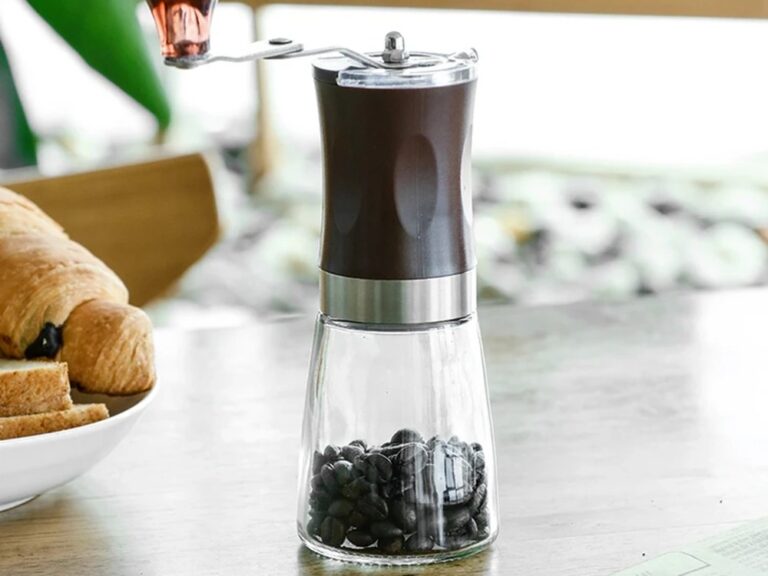

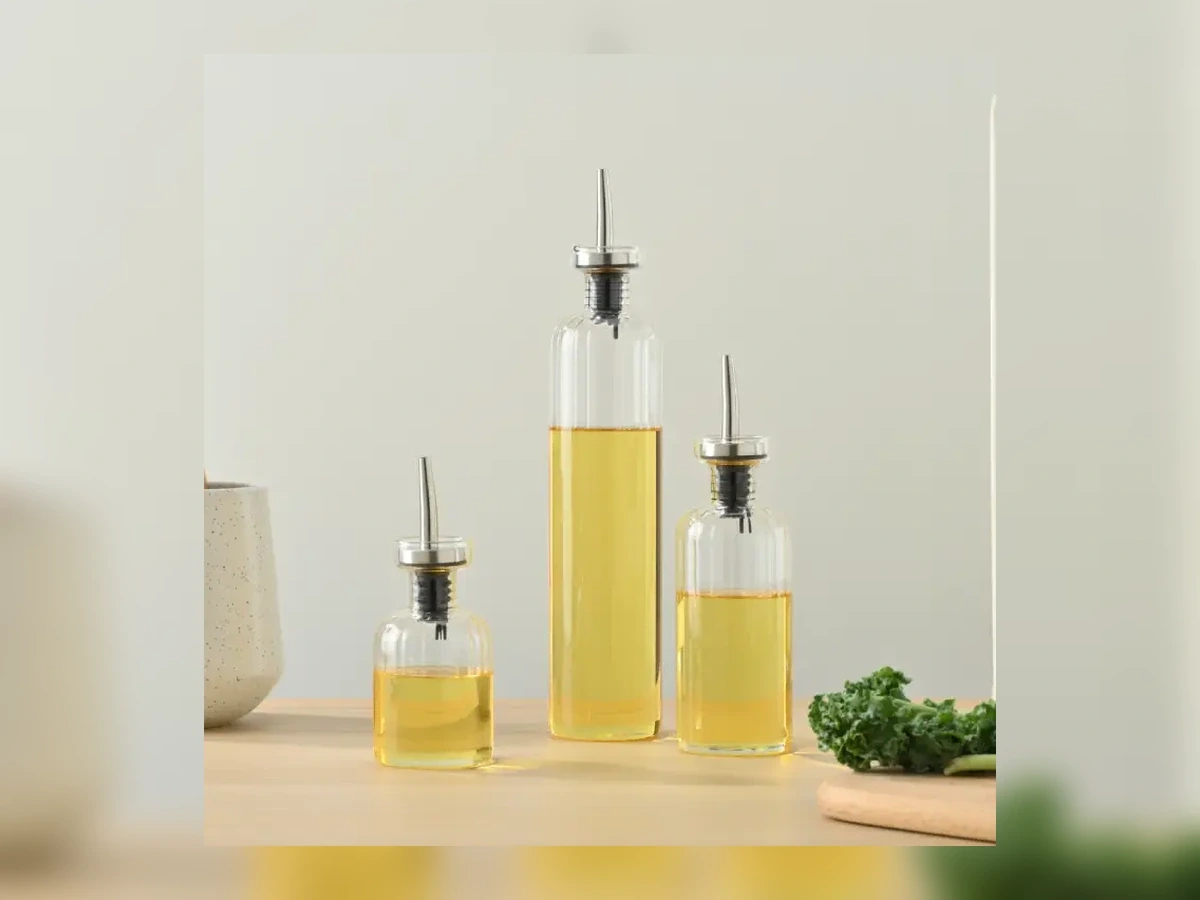
एक कांच की तेल डिस्पेंसर बोतल को तब तक कमतर आंकना आसान होता है जब तक कि नमूना भर न जाए, उसे झुकाया न जाए, पैक न किया जाए और शिप न कर दिया जाए। रसोई के सामान खरीदने वाले के लिए, ज़रूरी सवाल सिर्फ यह नहीं है कि बोतल काउंटर पर साफ दिखती है या नहीं। बल्कि यह भी है कि क्या उसका टोंटी भरोसेमंद तरीके से तेल निकालता है, क्या बोतल पूरी भरी होने पर स्थिर महसूस होती है, और क्या पैकेजिंग बिक्री के दौरान बोतल को सुरक्षित रखती है।
आयातकों, सुपरमार्केट टीमों, ऑनलाइन विक्रेताओं और निजी लेबल ब्रांडों के लिए, सिनोग्लास इसका उपयोग तेल की बोतलों, मसालों के जारों, भंडारण जारों, चक्कीयों और संबंधित रसोई के कांच के बर्तनों के लिए एक व्यावहारिक स्रोत संदर्भ के रूप में किया जा सकता है। नीचे दिए गए चेक उन खरीदारों के लिए लिखे गए हैं जो तेल डिस्पेंसर बोतल के थोक आरएफक्यू की तैयारी कर रहे हैं, न कि केवल शोरूम में समीक्षा के लिए।
खरीदारों को ग्लास ऑयल डिस्पेंसर बोतलों का मूल्यांकन चैनल के आधार पर क्यों करना चाहिए?
एक ही बोतल एक चैनल में स्वीकार्य हो सकती है, जबकि दूसरे में कमज़ोर। सुपरमार्केट में रखी किसी वस्तु के लिए खुदरा पैकेजिंग और स्पष्ट बारकोड की आवश्यकता होती है। ऑनलाइन लिस्टिंग में बेहतर टूट-फूट सुरक्षा और उपयोग संबंधी निर्देश आवश्यक हैं। रेस्तरां या रिफिल चैनल के लिए बोतल का स्पर्श, क्षमता और बार-बार सफाई करना अधिक महत्वपूर्ण होता है।
खुदरा खरीदारों को प्रस्तुति और सुरक्षा की आवश्यकता होती है
खुदरा विक्रेताओं को यह सुनिश्चित करना चाहिए कि ग्राहक द्वारा बॉक्स खोलने पर बोतल, ढक्कन, टोंटी और अन्य सहायक उपकरण कैसे दिखते हैं। एक आकर्षक रंगीन बॉक्स मददगार होता है, लेकिन इससे ढीले पैकेट, खरोंच लगे ढक्कन या परिवहन के दौरान हिलने वाली बोतल जैसी कमियों को पूरा नहीं किया जा सकता। केवल बोतल का नमूना नहीं, बल्कि पूरे पैकेज का नमूना मांगें।
ऑनलाइन चैनलों के लिए स्पष्ट उपयोग संबंधी दिशानिर्देश आवश्यक हैं।
ऑनलाइन ग्राहक अक्सर तस्वीरों और संक्षिप्त विवरण के आधार पर उत्पाद का मूल्यांकन करते हैं, इसलिए छोटी-मोटी गलतफहमियां भी उत्पाद वापस करने का कारण बन सकती हैं। विवरण में क्षमता, सामान्य रूप से सीधा उपयोग, सफाई, टोंटी की संरचना और यह जानकारी होनी चाहिए कि बोतल तेल, सिरका या हल्की चटनी के लिए है या नहीं। स्पष्ट शब्दों का प्रयोग करने से बाद में ग्राहक सेवा का समय बचता है।
मार्केटप्लेस विक्रेताओं के लिए, निर्देश कार्ड उसी भाषा में लिखा होना चाहिए जिसमें लिस्टिंग है। यदि बॉक्स पर कुछ और लिखा है और ऑनलाइन पेज पर कुछ और, तो ग्राहकों की अपेक्षाओं को पूरा करना मुश्किल हो जाता है। खरीदारों को सैंपलिंग के दौरान दोनों दस्तावेजों को एक साथ देखना चाहिए।
खरीदारों को टोंटी के डिजाइन की तुलना कैसे करनी चाहिए?
बोतल की टोंटी से ही ज्यादातर शिकायतें शुरू होती हैं। बोतल का कांच देखने में आकर्षक हो सकता है, लेकिन अगर टोंटी से पानी टपकता है, वह ढीली है, या उसके किनारे पर तेल जमा हो जाता है, तो ग्राहक को डिज़ाइन से ज़्यादा गंदगी याद रहेगी।
नमूना डालने की प्रक्रिया दोहराई जानी चाहिए
नमूने का एक से अधिक बार परीक्षण करें। इसे भरें, धीरे-धीरे डालें, फिर तेज़ी से डालें, बीच में रोकें, किनारे को पोंछें, और फिर टोंटी को हटाकर दोबारा लगाने के बाद प्रक्रिया दोहराएँ। एक संदर्भ उत्पाद जैसे कि बोरोसिलिकेट ग्लास ऑयल डिस्पेंसर बोतल इससे खरीदारों को सैंपल ऑर्डर को अंतिम रूप देने से पहले शरीर के आकार, गर्दन की फिटिंग और काउंटरटॉप पर उसकी प्रस्तुति की तुलना करने में मदद मिल सकती है।
टोंटी की सामग्री उत्पाद की स्थिति को बदल देती है
स्टेनलेस स्टील के स्प्राउट आमतौर पर खुदरा बिक्री के लिए अधिक आकर्षक दिखते हैं, जबकि स्वचालित कैप या प्लास्टिक के पुर्जे अलग-अलग कीमत और उपयोगकर्ता की आदतों के अनुरूप हो सकते हैं। खरीदारों को डस्ट कवर की मूवमेंट, गैस्केट की फिटिंग, सफाई में आसानी और यह सुनिश्चित करना चाहिए कि स्प्राउट को बिना मुड़े या कांच से रगड़े पैक किया जा सके।
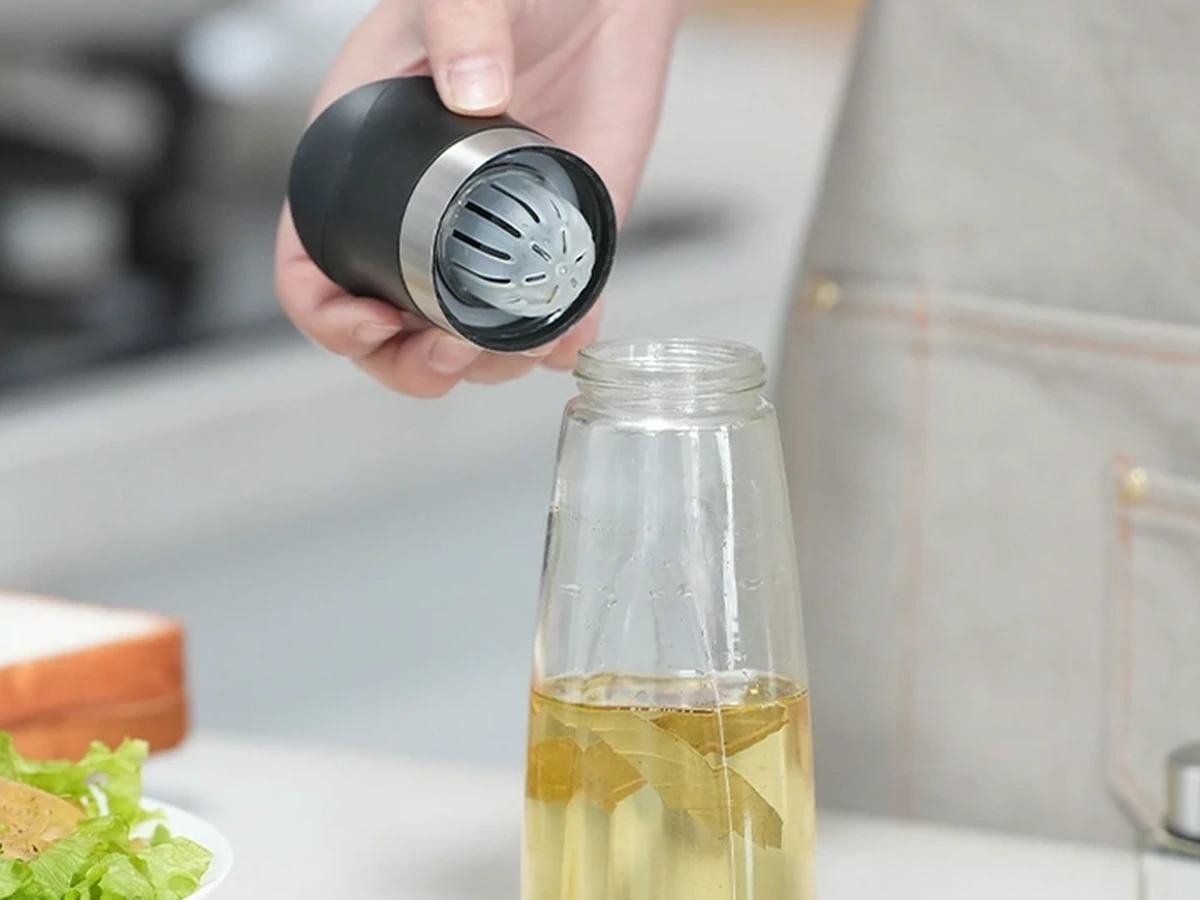
क्षमता और स्थिरता संबंधी कौन से विवरण दैनिक उपयोग को प्रभावित करते हैं?
क्षमता का निर्णय लेते समय वास्तविक उपयोग को ध्यान में रखना चाहिए। एक छोटी बोतल उपहार सेट और छोटे रसोईघरों के लिए उपयुक्त हो सकती है, जबकि एक बड़ी बोतल से बार-बार भरने की आवश्यकता कम हो जाती है, लेकिन इससे वजन बढ़ जाता है और इसके लिए चौड़े आधार की आवश्यकता होती है।
भरे हुए वजन की जांच की जानी चाहिए
केवल खाली नमूने से स्थिरता का अनुमोदन न करें। बोतल को पानी या तेल के विकल्प से भरें, उसे समतल सतह पर रखें, कई बार डालें और हाथ में पकड़ने पर उसकी स्थिति की जाँच करें। उत्पाद फ़ाइल में क्षमता, भरा हुआ वजन, ऊँचाई, आधार का व्यास, गर्दन का व्यास और कार्टन की मात्रा दर्ज करें।
कलेक्शन प्लानिंग से ऑर्डर वैल्यू बढ़ सकती है
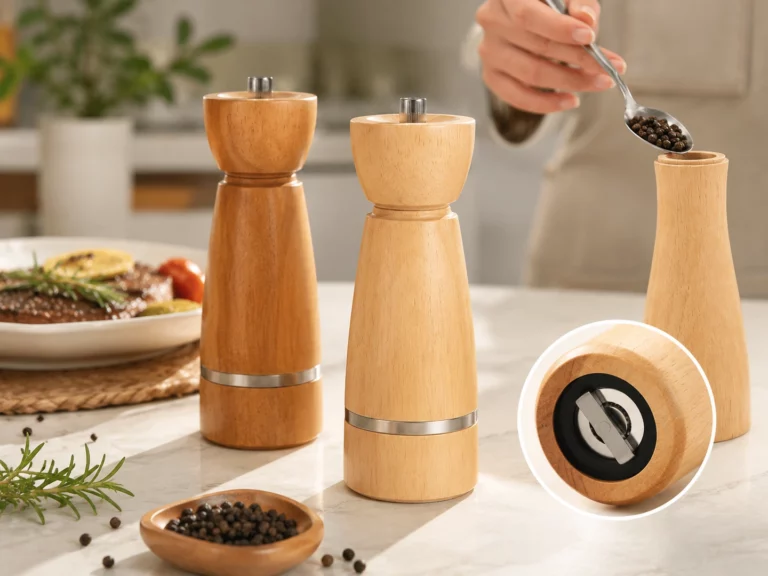
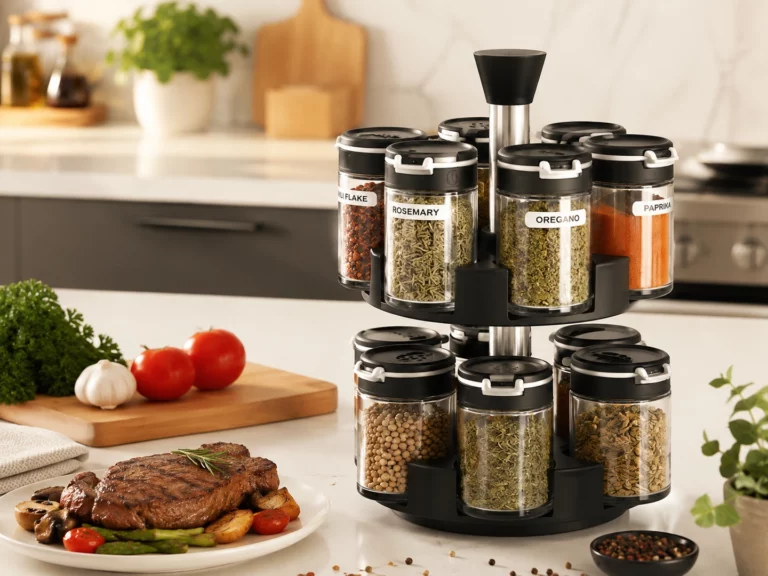
कुछ खरीदार तेल की बोतलों को रसोई के सामान की समन्वित श्रृंखला के हिस्से के रूप में बेचते हैं। ऐसे में, ढक्कन का रंग, कांच की स्पष्टता और पैकेजिंग शैली मसालों के जार, भंडारण जार, चक्की और ट्रे के साथ सहजता से मेल खानी चाहिए। डिस्पेंसर के साथ बांस ढक्कन तेल की बोतल जब रेंज को अधिक गर्म, प्राकृतिक पलकों वाले लुक की आवश्यकता होती है, तो इसकी समीक्षा करना उपयोगी होता है।
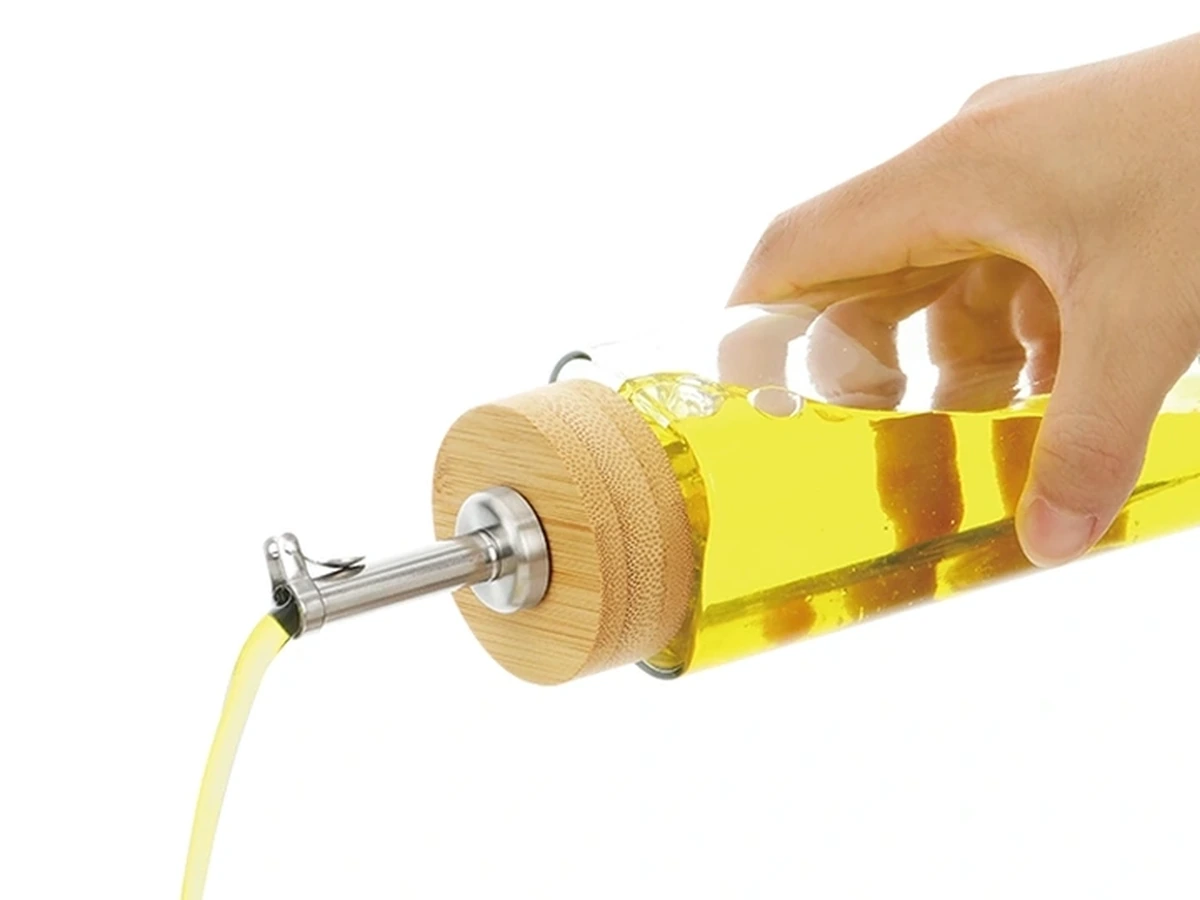
खरीदार रिसाव संबंधी यथार्थवादी अपेक्षाएं कैसे निर्धारित कर सकते हैं?
तेल निकालने वाली बोतलें आमतौर पर नियंत्रित तरीके से डालने के लिए डिज़ाइन की जाती हैं, न कि हिलाने, भरने के बाद यात्रा करने या लंबे समय तक उल्टा रखने के लिए। खरीदारों को बोतल के ढक्कन की सटीक संरचना और सामान्य उपयोग की स्थितियों के आधार पर ही अपनी ज़रूरतें तय करनी चाहिए।
दावे कैप संरचना से बिल्कुल मेल खाने चाहिए।
उत्पाद का सही विवरण टोंटी की फिटिंग, गैस्केट डिज़ाइन, ढक्कन की गति, बोतल के गले की सहनशीलता और उपयोगकर्ता के व्यवहार पर निर्भर करता है। यदि बिक्री चैनल रिसाव के दावे को और अधिक पुख्ता करना चाहता है, तो कलाकृति या सूची को मंजूरी देने से पहले उपयुक्त परीक्षण विधि के बारे में पूछें।
वैकल्पिक डिज़ाइनों के लिए अलग से परीक्षण की आवश्यकता है
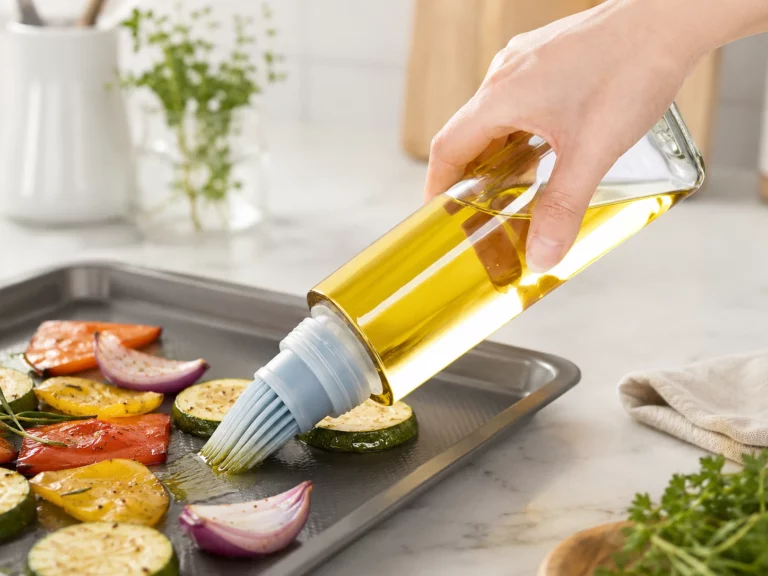
एक क्लासिक पोर स्पाउट, एक ऑटोमैटिक कैप और स्प्रे-एंड-पोर डिज़ाइन अलग-अलग समस्याओं का समाधान करते हैं। खरीदार तुलना करते समय इन विकल्पों का लाभ उठा सकते हैं। स्वचालित तेल डिस्पेंसर एक अलग उत्पाद प्रकार के रूप में, ढक्कन की प्रतिक्रिया, हाथ का अनुभव, सफाई और पैकेज सुरक्षा का परीक्षण किया जाना चाहिए, न कि यह मान लेना चाहिए कि यह एक साधारण टोंटी वाली बोतल की तरह व्यवहार करता है।
पैकेजिंग और ब्रांडिंग से संबंधित किन-किन सवालों की पुष्टि की जानी चाहिए?
पैकेजिंग उत्पाद का एक अभिन्न अंग है, विशेषकर कांच की बोतलों के लिए। एक अच्छी बोतल भी परेशानी खड़ी कर सकती है यदि अंदर का पैकेट, कार्टन, बारकोड या निजी लेबल फाइल देर से तैयार की जाए। खरीदारों को पैकेजिंग को एक हैंडलिंग सिस्टम के रूप में देखना चाहिए: बोतल कैसे रखी है, उसका ढक्कन कहाँ है, ग्राहक बॉक्स कैसे खोलता है, और डिलीवरी के समय कार्टन की जाँच कैसे की जाएगी।
प्राइवेट लेबल के विवरण समय को प्रभावित करते हैं
अंतिम सैंपल स्वीकृत होने से पहले लोगो प्रिंटिंग, लेबल की स्थिति, रंगीन बॉक्स डिज़ाइन, हैंग टैग, निर्देश कार्ड, बारकोड स्टिकर और उत्पाद फ़ोटो की योजना बना लेनी चाहिए। डिज़ाइन स्वीकृत होने के बाद टोंटी या भीतरी ट्रे में बदलाव करने से बॉक्स के आकार और लेआउट पर असर पड़ सकता है।
आरएफक्यू नोट्स में लॉजिस्टिक्स संबंधी आवश्यकताओं को शामिल किया जाना चाहिए।
एक उपयोगी आरएफक्यू में लक्षित चैनल, क्षमता, टोंटी का प्रकार, ढक्कन या कैप की प्राथमिकता, ब्रांडिंग विधि, कार्टन की मात्रा, पैकेजिंग प्रारूप, नमूना अनुसूची और किसी भी ड्रॉप-टेस्ट की अपेक्षा शामिल होनी चाहिए। जिन खरीदारों को समन्वित तेल की बोतल और रसोई के कांच के बर्तनों के कार्यक्रमों की आवश्यकता है, वे ऐसा कर सकते हैं। SinoGlass से संपर्क करें कोटेशन को अंतिम रूप देने से पहले लक्षित बाजार और पैकेजिंग नियमों के बारे में जानकारी प्राप्त कर लें।
यह भी पूछना ज़रूरी है कि आपूर्तिकर्ता रिप्लेसमेंट स्पाउट्स, स्पेयर कैप्स और सैंपल एक्सेसरीज़ को कैसे पैक करेगा। ये छोटी चीज़ें अक्सर बॉक्स के अंदर अलग-अलग भेजी जाती हैं, और गलत तरीके से रखने से शीशे पर खरोंच आ सकती है या ग्राहक भ्रमित हो सकता है। स्वीकृत सैंपल की एक छोटी पैकिंग फोटो खरीदार को आने वाले सामान की जांच के लिए एक आसान संदर्भ प्रदान करती है।
कोटेशन देने से पहले अंतिम रेंज की जांच अवश्य कर लेनी चाहिए।
ऑर्डर का कोटेशन देने से पहले, स्वीकृत बोतल की तुलना उसी रेंज के किसी भी संबंधित काउंटरटॉप आइटम से करें। यदि चैनल को स्प्रे और पोर दोनों कार्यों की आवश्यकता है, तो 2-इन-1 ग्लास ऑयल स्प्रेयर और डिस्पेंसर इसे एक अलग विकल्प के रूप में समीक्षा की जा सकती है, बजाय इसके कि इसे उसी उत्पाद विवरण में बाद में बदलाव के रूप में जोड़ा जाए।
निष्कर्ष
एक मजबूत ग्लास ऑयल डिस्पेंसर बोतल प्रोग्राम की शुरुआत वास्तविक सैंपल के परीक्षण से होती है। थोक ऑर्डर देने से पहले खरीदारों को टोंटी की कार्यप्रणाली, भरने के बाद स्थिरता, वास्तविक उपयोग संबंधी दावे, ब्रांडिंग संबंधी जानकारी और निर्यात पैकेजिंग की जांच करनी चाहिए। जब ये सभी विवरण RFQ में शामिल होते हैं, तो आपूर्तिकर्ता अधिक सटीक कीमत बता सकता है और खरीदार एक ऐसा किचनवेयर लाइन बना सकता है जिसे दोहराना आसान हो।
अक्सर पूछे जाने वाले प्रश्न
प्रश्न 1: कांच की तेल डिस्पेंसर बोतल का सबसे महत्वपूर्ण भाग कौन सा है?
A1: टोंटी आमतौर पर सबसे महत्वपूर्ण कार्यात्मक भाग होता है क्योंकि यह डालने के नियंत्रण, टपकने के व्यवहार, सफाई और दैनिक ग्राहक संतुष्टि को प्रभावित करता है।
प्रश्न 2: क्या कांच की तेल की बोतलें पूरी तरह से रिसावरोधी होती हैं?
A2: यह ढक्कन और सील के डिज़ाइन पर निर्भर करता है। कई तेल डिस्पेंसर बोतलें काउंटरटॉप पर सीधे खड़े करके उपयोग करने के लिए डिज़ाइन की जाती हैं, इसलिए खरीदारों को आपूर्तिकर्ता से उपयोग की वास्तविक सीमाओं की पुष्टि कर लेनी चाहिए।
प्रश्न 3: रसोई के बर्तन खरीदने वालों को किस क्षमता का चयन करना चाहिए?
A3: सर्वोत्तम क्षमता बिक्री चैनल, काउंटरटॉप के आकार, रिफिल की आदतों, पैकेजिंग प्रारूप, भरे हुए वजन और शिपिंग योजना पर निर्भर करती है।