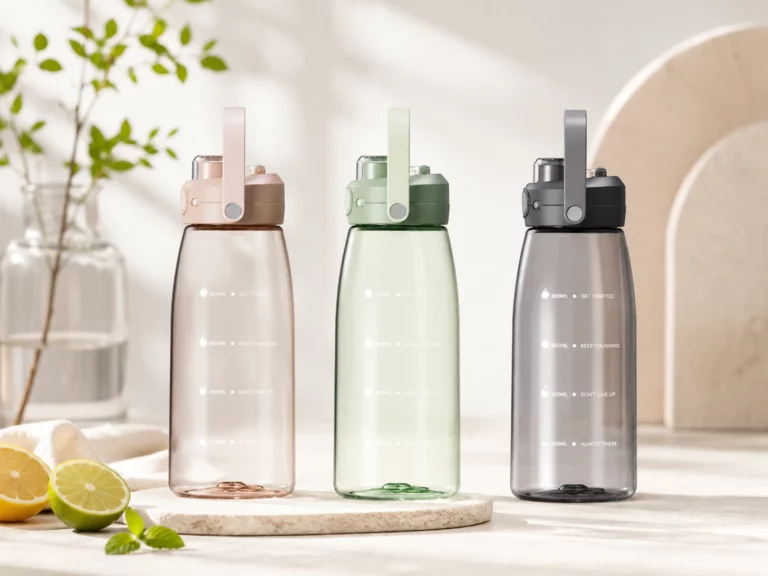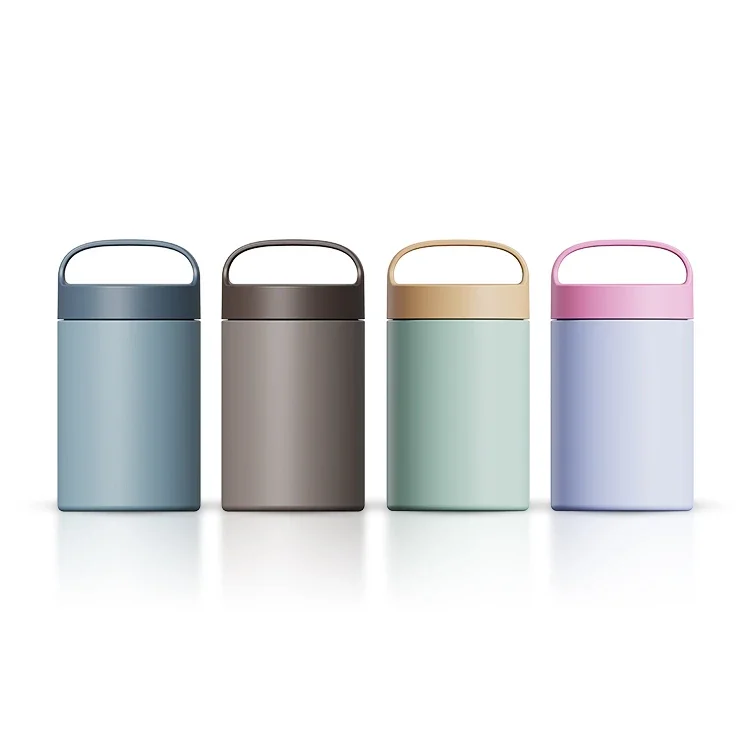

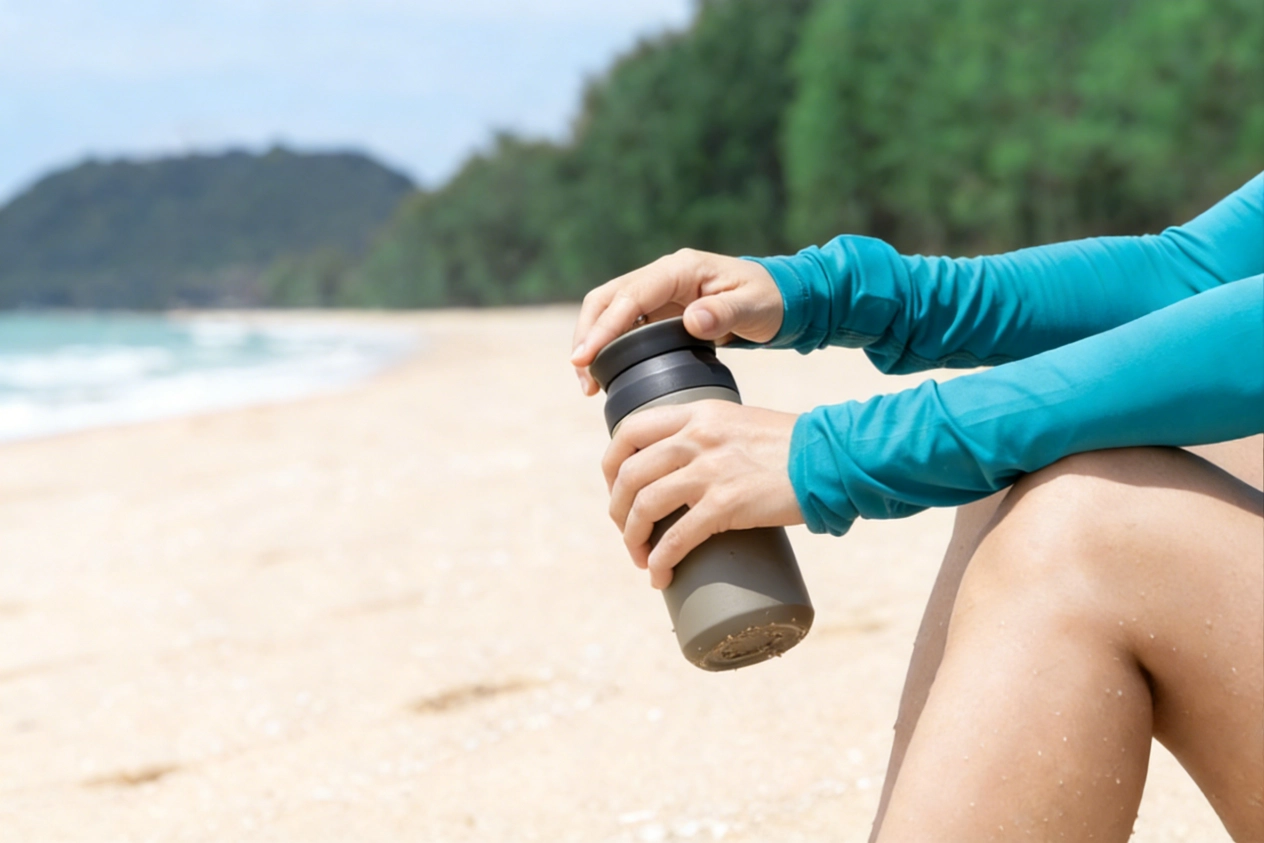
Imaginez-vous sous le soleil ardent de midi de juillet lors d'une longue promenade de l'après-midi. Vous prenez votre boisson, désireux d'une hirondelle fraîche, mais découvrez que le contenu a chauffé à la température du thé chaud. Une telle expérience décevante frappe presque tous les passionnés de nature ou les voyageurs précipités à un moment donné. Cette irritation fréquente explique pourquoi les gens ont abandonné les supports en plastique bon marché et ont commencé à acheter des équipements supérieurs. Tout le monde souhaite que ses boissons restent refroidies dès la première boisson le matin jusqu'à la dernière partie après la journée de travail.
Avez-vous réfléchi à la vraie frontière ? Certaines sociétés affirment que leurs produits conservent la glace pendant une journée entière, tandis que d’autres promettent même des durées prolongées. Est-ce que cela représente un simple langage promotionnel, ou est-ce que de véritables recherches appuient ces chiffres? Pour choisir la bouteille isolée la plus adaptée à votre routine, il faut aller au-delà des teintes attrayantes et comprendre la nature du mouvement thermique. Explorons les détails de la façon dont une bouteille d'eau froide actuelle résiste à la chaleur de l'été et précisément quels résultats vous pouvez vous attendre de votre appareil.
La science alimentant l'isolation sous vide
Pour comprendre pourquoi votre boisson maintient sa fraîcheur, considérez le royaume invisible de l’échange thermique. La chaleur cherche constamment à passer des zones plus chaudes à celles plus froides. Dans une tasse typique, l'atmosphère chauffée extérieure transfère sa chaleur au contenu intérieur par les côtés. Pour arrêter ce processus, les designers ont développé un obstacle tangible que la chaleur a du mal à pénétrer.
Comment fonctionne la barrière à double mur
La clé réside dans la construction à double paroi d'un conteneur en acier inoxydable contemporain. À la différence d'un récipient à paroi unique, ces supports possèdent une couche interne et externe. En production, des dispositifs avancés extraient l'atmosphère de la zone entre ces couches. Cela forme un vide. Comme la chaleur nécessite que les particules se propagent par contact direct ou par flux d'air, le vide sert de barrière impassable. Sans atmosphère présente dans cet espace, la chaleur extérieure provenant de la lumière du soleil ou d'un véhicule chaud ne peut pas se transférer à votre liquide.
Pourquoi l'acier inoxydable 18/8 est la norme
La sélection de la substance s'avère tout aussi cruciale pour la caractéristique de vide. De nombreuses variétés de bouteilles d'eau thermique de haut niveau utilisent de l'acier inoxydable de qualité alimentaire 18/8, appelé qualité 304. Cet alliage offre une durabilité remarquable, évite la corrosion et évite de retenir les odeurs persistantes de brassons antérieurs comme le café. Plus important encore, il excelle dans le maintien d'une enceinte à vide pendant de nombreuses années. Il offre une surface hygiénique et sûre pour la consommation qui évite de libérer des substances dans votre liquide, garantissant que chaque hirondelle reste aussi fraîche que la première.
Facteurs qui déterminent la rétention de température
Bien que le mécanisme interne de la bouteille soit important, vos habitudes d’utilisation influent également sur les performances. Vous pouvez remarquer que les bouteilles identiques donnent des résultats différents en fonction de l'emplacement ou du contenu. Reconnaître ces éléments vous permet d’optimiser votre bouteille d’eau isolée chaque jour.
Température initiale et volume de glace
Les principes de base indiquent que plus la température de départ du liquide est basse lors du remplissage, plus son état froid est prolongé. Verser de l'eau à température ambiante du robinet charge considérablement l'isolation. D'autre part, inclure plusieurs morceaux de glace considérables établit un “ réserve froide” à l'intérieur. Ces pièces capturent des intrusions de chaleur mineures qui pourraient se infiltrer au-delà du capuchon, soutenant ainsi le liquide; niveau de gel pendant une période prolongée. Les morceaux substantiels dépassent la glace fragmentée car ils possèdent une surface exposée réduite et se dissolvent à un rythme plus lent.
L'impact de la conception du couvercle et de la chaleur ambiante
Chaque fois que vous dévissez le bouchon pour une boisson introduit une atmosphère plus chaude. Pour cette raison, une bouteille d'eau froide avec un bec ou une ouverture mince dépasse souvent les versions à large ouverture pour une conservation durable. En outre, les conditions environnantes jouent un rôle. Un conteneur placé sur un rivage ensoleillé à 35°C perdra sa froideur plus rapidement que celui stocké dans un espace de travail ombragé. Les bouchons supérieurs équipés de joints en caoutchouc robustes restent essentiels, étant donné que le bouchon manque généralement de protection sous vide, contrairement au reste de la bouteille.
Acier inoxydable par rapport aux autres matériaux courants
Lors de votre recherche d'un support frais, vous rencontrez des choix en plastique, en verre et en aluminium. Bien que chacun convienne à certains rôles ménagers, ils ne peuvent généralement pas rivaliser avec une bouteille d'eau thermale supérieure pour maintenir des températures basses. Évaluons-les pour comprendre pourquoi l’acier inoxydable demeure l’option préférée pour les utilisateurs dynamiques.
Pourquoi le plastique et le verre tombent à court terme
Le plastique offre une portabilité et un faible coût, mais offre un blindage thermique minimal. Même les contenants exempts de BPA permettent à la chaleur de traverser rapidement leurs surfaces. Le verre excelle en neutralité de saveur en raison de sa nature inerte, mais il pèse plus et se brise facilement si mal manipulé pendant l'exercice. Certains supports en verre comprennent des couvercles en caoutchouc protecteurs, mais ils ne peuvent pas incorporer un vide. Pour conserver une boisson en dessous de la température ambiante au-delà de soixante minutes, ces substances manquent de la conception nécessaire.
La valeur à long terme de l'acier inoxydable
Une bouteille en acier inoxydable est construite pour durer toute une vie. Il peut survivre à être laissé tomber sur un trottoir en béton ou jeté dans un sac à dos lourd sans craquer. Au-delà de sa résistance, la technologie d’isolation sous vide lui permet de garder l’eau froide pendant 24 heures ou chaude pendant 12 heures. Cette polyvalence en fait l’outil le plus pratique pour n’importe qui, des employés de bureau aux athlètes professionnels. Si vous recherchez un compagnon quotidien fiable, le bouteille d'eau chaude et froide à partir de SinoGlass offre le mélange parfait de construction durable et de rétention de température extrême.
Conseils pratiques pour maximiser le froid
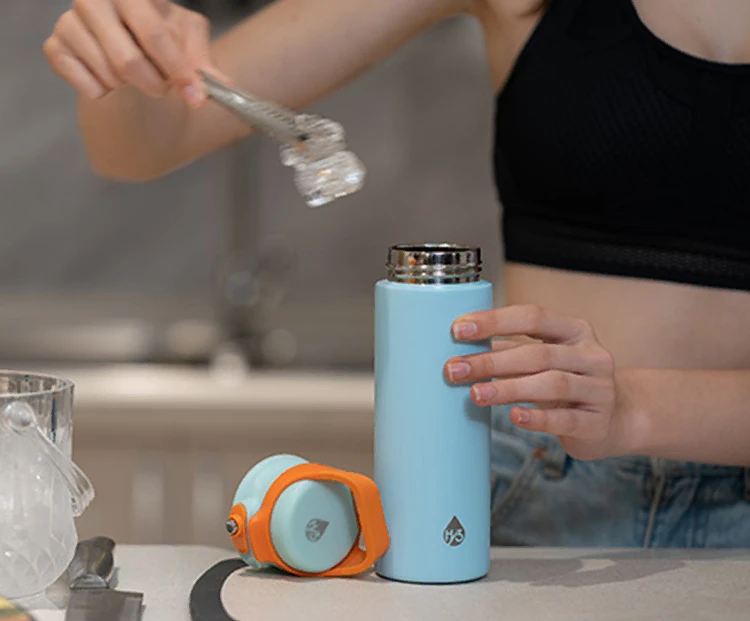
Atteindre une froideur prolongée dans votre eau ne nécessite aucune connaissance avancée. Plusieurs pratiques simples peuvent prolonger la glace’ s durée et assurez-vous que votre boisson reste revigorante, même sur de longs trajets. Ces ajustements mineurs aident votre bouteille d'eau isolée à fonctionner à un rendement maximal chaque fois que nécessaire.
- Pré-refroidissez votre bouteille:Avant de le remplir, mettez de l’eau glacée dans la bouteille pendant cinq minutes pour refroidir la paroi intérieure en acier. Versez-le, puis ajoutez votre boisson fraîche froide.
- Gardez le couvercle fermé :Cela semble simple, mais garder le couvercle serré lorsque vous’ t boire est le meilleur moyen d'empêcher la chaleur d'entrer par le haut.
- Évitez la lumière solaire directe :Même avec une grande isolation, la coquille extérieure peut devenir très chaude. Garder votre bouteille dans un sac ou sous une serviette aide à maintenir la température interne.
- Utiliser la glace de qualité:La glace claire et solide provenant d'un plateau dure beaucoup plus longtemps que la glace creuse provenant de certains distributeurs automatiques.
Acheter des bouteilles d'eau de qualité pour votre marque
En tant que leader d’entreprise ou spécialiste des achats, vous reconnaissez que les consommateurs modernes exigent l’excellence. Ils recherchent des objets qui fonctionnent de manière fiable et attirent visuellement dans les écrans. Le partenariat avec une firme spécialisée dans les principes thermiques sous vide constitue la base du succès dans le secteur des conteneurs pour boissons.
Fabrication professionnelle et portée mondiale
SinoGlass a consacré plus de 25 ans au raffinage de la production de produits ménagers. Avec de vastes installations en Chine et en Thaïlande, nous possédons la capacité de générer plus de 100 millions d'unités par an. Nos sites utilisent des procédés automatisés complets pour la mise en forme et la jonction des métaux, garantissant des boîtiers à vide parfaits. En outre, notre protocole d'inspection rigoureux évalue chaque bouteille d'eau thermale’ Capacité de maintien thermique avant l'expédition. Cette approche approfondie explique nos partenariats avec de grands détaillants tels que Walmart et Costco.
Solutions OEM et ODM personnalisées
Chaque marché a des besoins différents. Certaines personnes veulent de grandes bouteilles d'eau de gym avec des revêtements robustes, tandis que d'autres préfèrent des designs élégants pour le bureau. À travers notre OEM / ODM Nous aidons les marques à créer des couleurs personnalisées, des logos et même de nouvelles formes. Avec une quantité de commande minimale (MOQ) à partir de 200 ensembles pour de nombreuses conceptions, nous rendons facile pour les entreprises de lancer des produits de haute qualité. Vous pouvez explorer notre gamme complète d'options sur notre produits page ou nous contacter aujourd'hui pour commencer votre prochain projet.
Conclusion
Choisir un support approprié implique bien plus que le choix d'une teinte; cela implique de découvrir un outil aligné sur vos activités quotidiennes. Une bouteille d'eau isolée de qualité supérieure utilise des méthodes de vide intelligentes pour maintenir la refroidissement de la boisson pendant 24 heures, indépendamment de la chaleur extérieure intense. En préférant l'acier inoxydable résistant au plastique à faible coût, vous optez pour un bien-être amélioré et des avantages écologiques. Qu'il s'agisse d'entraînements, de trajets au travail ou de préparation d'excursions en plein air, l'équipement approprié simplifie l'hydratation. S'engager à la boisson artisanale assure une boisson fraîche vous attend, indépendamment de la hausse des températures extérieures.
Questions fréquentes
Question : Puis-je mettre ma bouteille d'eau isolée dans le réfrigérateur?
A: Il a gagné’ t aide beaucoup. L'isolation sous vide empêche l'air froid d'atteindre l'eau à l'intérieur.
Question : L'isolation à vide est-elle sûre pour les enfants?
R : Oui. L'acier inoxydable 18/8 de haute qualité est non toxique, sans BPA et très durable pour l'école ou le sport.
Question : Comment nettoyer ma bouteille d’eau thermale ?
R: Utilisez de l'eau chaude savonnée et une brosse à bouteilles. Évitez le lave-vaisselle à moins que l'étiquette n'indique spécifiquement qu'il’ s en sécurité.