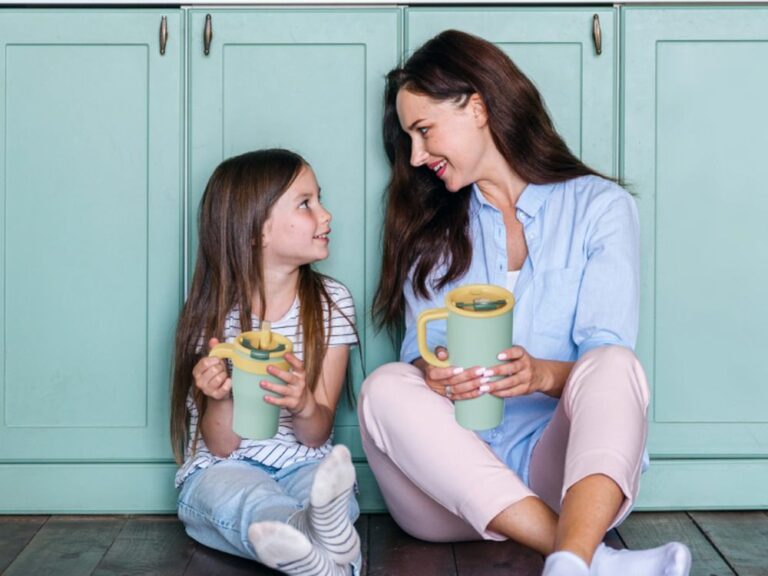

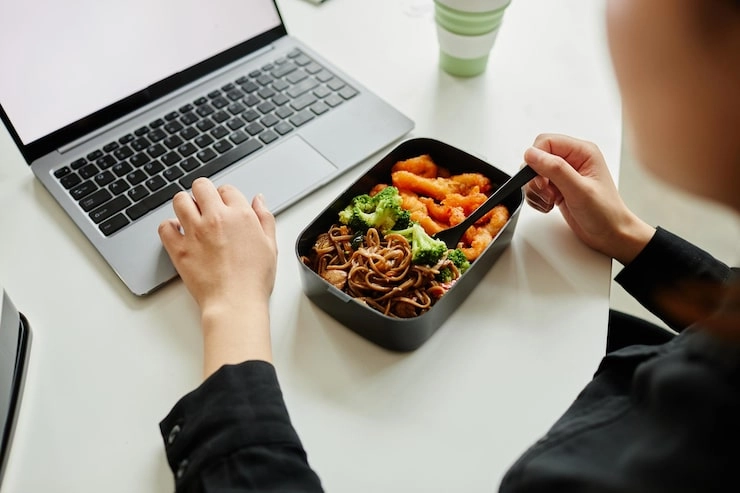
The modern way of storing food is changing fast. People now pay close attention to the environment and their health. Old single-use boxes and plastic wraps are fading out. In their place come green choices that work well and care for the planet.
The Shift Toward Sustainable Food Storage
Folks care more about the earth these days. They look for simple steps to cut down on waste. Food storage offers a big chance to help. Billions of throwaway boxes end up in dumps each year. Switching to reusable green items shows a real push for better living. It goes beyond just ease. Besides, this change helps the whole world.
Key Features of an Eco-Friendly Lunch Box
Smart buyers want to know what makes a good green box. Key traits include the build materials, how tough it is, and smart design bits. These all help it last and work right. What’s more, they fit daily needs.
Materials That Support Sustainability
The base of any good eco lunch box is what it’s made from. Green picks use stuff that’s fresh from nature, easy to recycle, or breaks down naturally. This cuts harm to the earth over time. Yet, they must handle real-life jobs too.
Stainless Steel and Glass Alternatives
Glass stands out as the top pick for green food holders. It stays totally neutral with chemicals. No tastes mix in, and nothing bad leaks into your eats. Steel choices hold up super well. They keep heat or cold just fine. Plus, they stay strong after tons of uses.
BPA-Free and Non-Toxic Components
New green lunch box styles ditch BPA and other risky stuff. Food-safe rubber seals lock tight without bad chemicals. Tests check them hard for safety. They hold up over long hauls too.
Durability and Reusability for Long-Term Use
A box’s green worth ties to how long it lasts. Top-notch stuff and solid builds mean it beats over 1,000 throwaways in its life. Strong edges, firm locks, and tough walls help. They take daily knocks.
Leak-Proof and Heat-Resistant Design Elements
Real use matters most in green box plans. Smart seals stop drips and spills. Food stays fresh longer. Heat-proof traits let you nuke or wash most in machines. Glass works best here. Steel varies. This boosts how you can use them for meals and clean-up.
Benefits of Using an Eco Lunch Box for Home-Cooked Meals
Green boxes do more than save the planet. They boost health, save cash, and fit easy lives. These holders back smart eating and wise buys. Thus, they touch every part of daily routines.
Reducing Single-Use Plastic Waste
One solid green box skips heaps of disposables. Bags and wraps? Gone. Rough counts say it swaps over 1,000 singles in its run. This big drop fights plastic mess worldwide. It cuts trash bills at home too.
Maintaining Food Freshness and Flavor
Top materials in green lunch boxes keep eats better than old ones. Glass and steel fight stains, smells, and germs. Foods hold their taste and good stuff inside. Tight air locks help even more. So, meals stay just right.
Supporting a Healthier Lifestyle Through Portion Control
Good designs build in size guides with split spots. This aids right servings. It pushes home cooking over junk grabs. Pretty looks and easy use spark meal plans. Folks try harder.
Types of Eco Lunch Boxes Available Today
Shoppers find many kinds now. Each fits different lives and food needs. Pick what suits you best.
Glass Containers with Silicone Seals
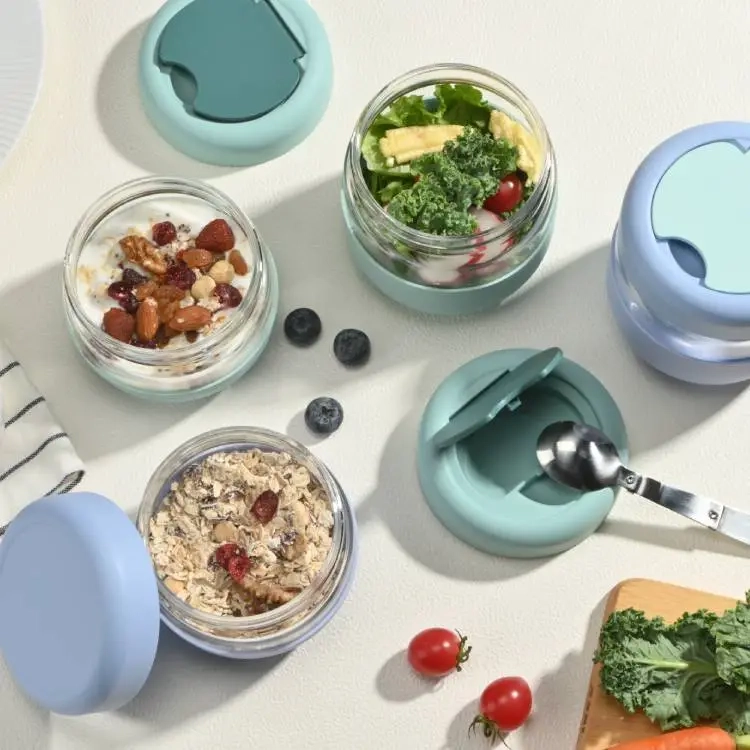
Fancy glass joins strong clear stuff with bendy rubber tops. They shine in nukes and ovens. You see contents easy. Glass won’t soak up junk. No mix-ups between eats.
Stainless Steel Bento Boxes
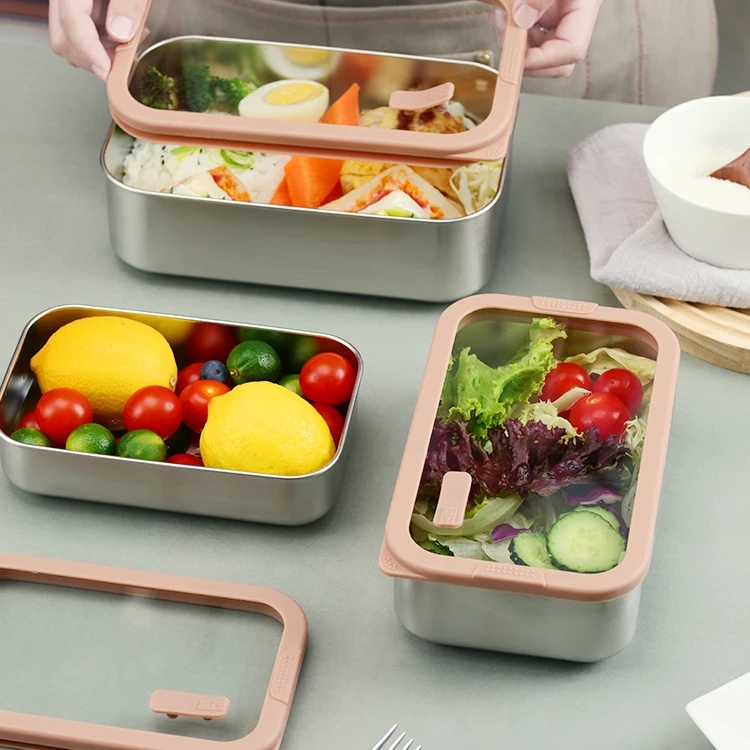
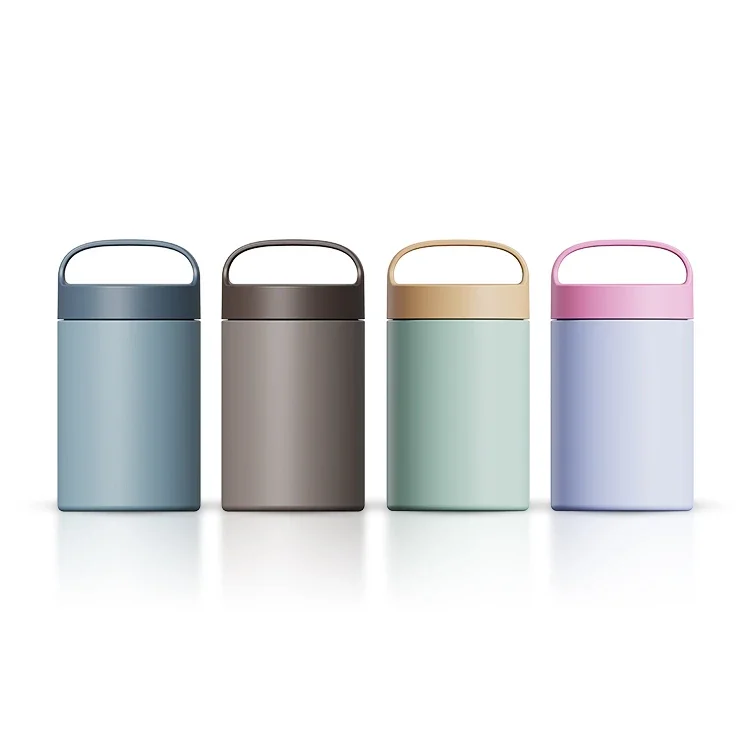
Split steel boxes nod to old Japanese styles. New seals add flair. They hold temps great. Tough as nails. Sections keep meals apart in bags. Balance comes built-in. Plus, brands like SinoGlass push ahead. They make steel that nukes safe. Once impossible. Now real.
Collapsible Silicone Containers for Space-Saving Storage
Clever fold-up styles fix tight spots. Safe rubber squeezes flat when empty. Fills out full for use. Great for trips, school, or small kitchens.
How to Choose the Right Eco Lunch Box for Your Needs
Picking the best green box means thinking about your days, foods, and limits. A step-by-step check picks a winner. It lasts and fits.
Meal Type and Portion Size Considerations
Some eats need special holds. Soupy stuff wants no-leak tops. Solids like split rooms. Think of your usual plates. Match size and setup.
Portability and Storage Options
How you move it counts big. Bus riders want light locks. Home folks like stack fits in fridges. Grips, bags, and sizes must match your moves.
Microwave, Oven, and Dishwasher Compatibility
How it works with gadgets adds ease. Glass takes most heat jobs. Steel might need tweaks. Wash-safe cuts chore time. Use stays high.
Practical Tips for Packing and Heating Home-Cooked Meals
Get the most from green boxes with right habits. Care tips keep them top shape. Food stays safe.
Preparing Meals in Advance with Proper Storage Techniques
Plan eats ahead smart. Cool hot stuff to room temp first. Seals stay strong. No wet build-up. Stack layers wise. Textures hold. No bad mixes.
Safe Heating Practices for Different Materials
Each build needs its heat way. Know this. Food stays safe. Boxes last longer.
Using Glass in Microwaves and Ovens
Glass flexes in heat spots. Pull off rubber bits for ovens. Skip big temp jumps. That cracks it. Nuke with vents open. Pressure stays low.
Heating Stainless Steel: A Microwave Revolution
Old steel skips nukes. Not now. SinoGlass breaks rules. Their steel heats in microwaves full safe. Steel strength meets glass ease. Ovens love it too. Just ditch non-metal parts first.
Cleaning and Maintenance Best Practices
Wash right to keep shine and work. Pick cleaners for each type. Skip rough rubs on glass. No mean stuff on rubber. Deep cleans kill smells and bugs. Regular does it.
Introducing SinoGlass: A Trusted Kitchenware Supplier
Top green holders come from pros who care. They know stuff science, builds, and checks. Products rock.
Commitment to Quality, Safety, and Innovation
Big makers test hard. They tweak always. Cash in new ideas for stuff, seals, and shapes. This means gear that works tough. Green stays true.
The green lunch box boom mixes must-do green steps, body smarts, and real ease. Shoppers see the wins in green holds more each day. The shop grows with fresh styles and better stuff. Ditching throwaways brings quick perks for you. It aids big earth fixes too. Solid eco friendly lunch box picks serve years. Smart buys for health and green care. Tons of types mean fits for all.
FAQs
Q1: How long do eco-friendly lunch boxes typically last with regular use?
A: Top eco lunch boxes run 5-10 years or beyond with good care. Glass and steel shine here. They beat user needs easy. Life hinges on build, how often used, and upkeep. Most swap over 1,000 singles in time.
Q2: Are eco-friendly lunch boxes safe for children to use at school?
A: Yes, green lunch box picks beat old plastics for kids. Glass and steel skip BPA and bad chems. But eye age and grip skills. Steel fits young ones best. No breaks. Glass works for big kids with tips.
Q3: Can I use my eco lunch box for both hot and cold foods?
A: Most fine green boxes handle heat and chill well. Glass and steel keep temps tight. They shift between ends safe. Cool hot eats a bit first. Cuts wet inside. Check maker rules for heat tips and ways.