
यह आधुनिक घरों में रविवार दोपहर का एक आम दृश्य है। आप आगामी कार्य सप्ताह के लिए स्वस्थ भोजन तैयार करने के लिए सब्जियों को काटने, चिकन को भुनाने और चावल पकाने में तीन घंटे ब भोजन तैयार करने से बहुत सारे पैसे बचाए जाते हैं और लोगों को अपने आहार को बनाए रखने में मदद मिलती है। लेकिन उस सभी मेहनत के बाद, आप रसोई के दराज से दाग, थोड़ा चिपचिपा भंडारण बक्सों का एक ढेर निकालते हैं। अचानक, एक बहुत ही महत्वपूर्ण सवाल आपके दिमाग में आता है। क्या ये बॉक्स वास्तव में उपयोग करने के लिए सुरक्षित हैं?
ताजा स्वास्थ्य रिपोर्टों ने कई लोगों को अपने भोजन को भंडारित करने से पहले संकोच करने के लिए प्रेरित क शोधकर्ताओं ने मानव रक्त और आंतों में छोटे मानव निर्मित कणों का पता लगाया। भोजन को संग्रहीत करने के लिए हमारे द्वारा उपयोग की जाने वाली वस्तुएं बाजार से ताजा उत्पाद के रूप में वर्तमान में, खरीदारों को तीन प्राथमिक विकल्पों का सामना करना पड़ता है। हालांकि, ये विकल्प रोजमर्रा की मांगों को संभालने में बहुत भिन्न होते हैं। हम इन पदार्थों के वास्तविक भौतिक लक्षणों की जांच करेंगे। इस तरह, आप यह निर्धारित कर सकते हैं कि आपके रसोई में कौन सा सबसे अच्छा फिट होता है।
रसोई भंडारण सामग्री के बारे में छिपा सच
जब आप अपने साप्ताहिक भोजन को व्यवस्थित करते हैं, तो आपके द्वारा चुने गए बक्से सिर्फ सामग्री रखने से अधिक करते हैं। वे आपके भोजन के साथ बातचीत करते हैं, गर्मी, मसालेदार एसिड और समय पर प्रतिक्रिया करते हैं। आइए बारीकी से देखते हैं कि विभिन्न सामग्रियां दैनिक तनाव को कैसे संभालती हैं और इसका आपके परिवार के लिए क्या स्वास्थ्य।
क्यों एक प्लास्टिक खाद्य कंटेनर चिंता उठाता है
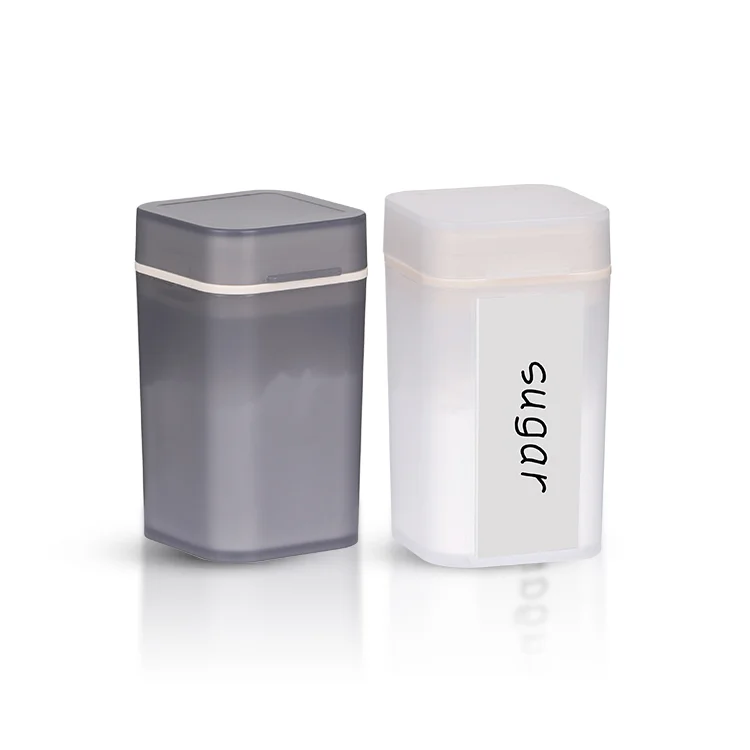
वर्षों से, सस्ते सिंथेटिक इकाइयों ने अधिकांश घरों के लिए मूल विकल्प के रूप में कार्य किया। इसका उत्पादन करने के लिए बहुत कम खर्च होता है। और वे परिवहन के लिए बहुत कम वजन देते हैं। फिर भी, गर्मी टूटना इस पदार्थ के लिए एक गंभीर मुद्दा पैदा करता है। एक सत्यापित बीपीए-मुक्त इकाई के साथ भी, सामग्री धीरे-धीरे गिर जाती है। जब आप नियमित घरेलू डिशवॉशर में प्लास्टिक के भोजन कंटेनर को साफ करते हैं, तो गर्म पानी लगभग 70 डिग्री सेल्सियस तक पहुंचता है। यह निरंतर एक्सपोजर धीरे-धीरे आंतरिक रासायनिक लिंक को कमजोर करता है।
इसके अलावा, यदि आप गर्म टमाटर सॉस या फैटी बेक्ड मांस को अंदर रखते हैं, तो रंग बदलना तेजी से दिखाई देता है। यह चिह्न इंगित करता है कि पदार्थ भोजन कणों में लेने के लिए पर्याप्त अवशोषक बन गया है। कई महीनों के तीव्र उपयोग के बाद, आधार पर छोटे अदृश्य दरार विकसित होते हैं। ये चिह्न हानिकारक रसोई रोगाणुओं के लिए आदर्श आश्रय बनाते हैं। हालांकि बीपीए-मुक्त कंटेनर पुराने प्रकारों पर सुधार करता है, यह एक लचीली सामग्री बनी रहती है। सरल शब्दों में, यह बिना गिरावट के तीव्र, गर्म रसोई कार्यों की लंबी अवधि को सहन नहीं कर सकता है।
एक ग्लास खाद्य कंटेनर की नाजुकता
स्वास्थ्य-केंद्रित खरीदार अक्सर रसायनों से बचने के लिए सीधे ग्लास की ओर मुड़ते हैं। एक मूल रासायनिक दृष्टिकोण से, एक ग्लास खाद्य कंटेनर उत्कृष्ट है। यह सामान्य रेत से बनता है। यह पूरी तरह से अवशोषक नहीं है। और यह कभी भी ताजा लहसुन या उम्र की मछली से गंध नहीं भिगोता है। आप दो सप्ताह के लिए अंदर टैंगी सलाद ड्रेसिंग स्टोर कर सकते हैं। फिर वह क्षणों में बेहोशी से धुआ जाता है।
यह कहते हुए, ग्लास में महत्वपूर्ण व्यावहारिक दोष हैं। यह बहुत वजन देता है। एक पैक किए गए सुबह की ट्रेन पर तीन भोजन ले जाने से आपका बैग पत्थरों से भरा लगता है। और अधिक महत्वपूर्ण, ग्लास आसानी से टूटता है। कमर-उच्च काउंटर से एक अनजाने में गिरने से कमरे भर में तेज, जोखिम भरे टुकड़े बिखर जाते हैं। सक्रिय बच्चों के साथ घरों में रसोई के माध्यम से डैशिंग, या एक खेल बैग में फेंकने के लिए, एक ग्लास खाद्य कंटेनर एक जीवंत दिनचर्या के
धातु खाद्य कंटेनर का उदय
भारी ग्लास और अपमानजनक सिंथेटिक सामग्री से दूर जाने से हमें एक अत्यधिक विश्वसनीय विकल्प मिलता है। पेशेवर रेस्तरां रसोई दशकों से धातु पर निर्भर है, और यह औद्योगिक सामग्री अंततः रोजमर्रा के घरों पर ले जा रही है। आइए पता लगाएं कि स्टील तेजी से दैनिक खाना पकाने के लिए अंतिम विकल्प क्यों बन रहा है।
बेजोड़ स्थायित्व और स्वच्छता
लचीले विकल्पों की तुलना में एक बेहतर मानक पर शीर्ष ग्रेड रसोई स्टील कार्य करता है। एक विशिष्ट 18/8 ग्रेड धातु खाद्य कंटेनर में क्रोमियम और निकल के सटीक स्तर शामिल हैं। ये तत्व एक परत बनाते हैं जो जंग और क्षय से दृढ़ता से लड़ती है। आप इसे मोटे स्क्रबर्स के साथ रगड़ सकते हैं, फिर भी यह निर्दोष रूप से भी रहता है। चूंकि धातु के बर्तन के साथ इंटीरियर को खरोंचना मुश्किल साबित होता है, इसलिए रोगाणुओं को रहने की कोई जगह नह यह फर्म, चिकनी परत भोजन से संबंधित बीमारी की संभावनाओं को बहुत कम करती है। इस प्रकार, आप इसे जमीन पर टूटने के डरावने वाले मौके के बिना ग्लास जैसी शुद्धता प्राप्त करते हैं।
यात्रा और भोजन तैयारी के लिए एकदम सही
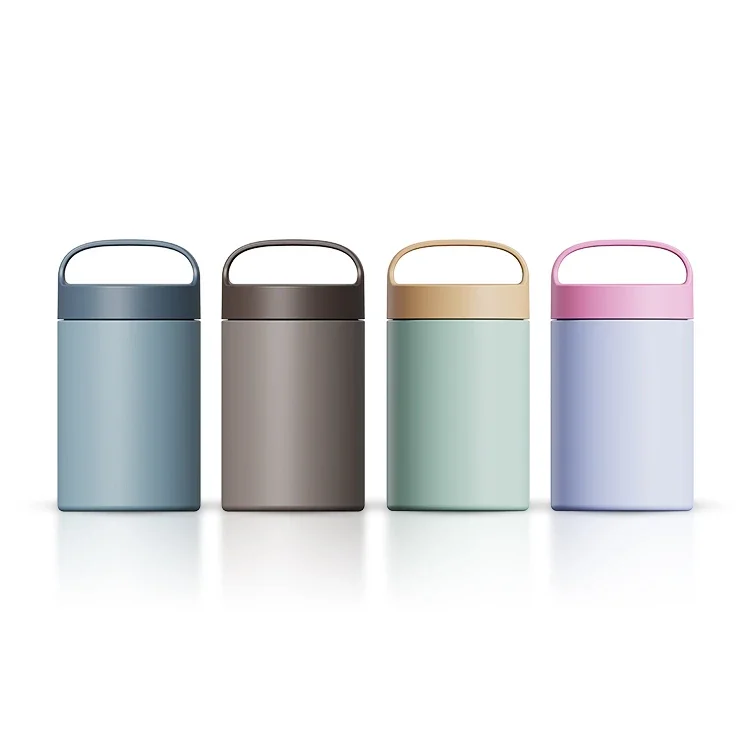
जो लोग काम या नौकरी की जगह पर दोपहर का भोजन लाते हैं, उनके लिए द्रव्यमान और कठोरता भारी गिनती होती है। एक वर्तमान स्टेनलेस खाद्य कंटेनर अपने कम वजन से आश्चर्यचकित है। यह अक्सर प्लास्टिक मैच से थोड़ा ऊपर पैमाने पर टिप्स करता है। यदि यह आपके वाहन से सड़क पर गिरता है, तो यह एक छोटी सी टकराव दिखा सकता है। लेकिन यह तुम्हारे भोजन को खराब नहीं करेगा।
दैनिक यात्रियों के लिए, विशिष्ट अपनाने स्टेनलेस स्टील के दोपहर के भोजन के कंटेनर दोपहर के भोजन के दिनचर्या को बदल दें। वे कार्यस्थल नल पर जल्दी से साफ करते हैं। और वे कम लागत वाली सिंथेटिक इकाइयों की तरह तेलदार अवशेषों से चिपकने से बचते हैं। आप इसे सोमवार को हार्डी बीफ स्ट्यू से भर सकते हैं। फिर, मंगलवार को एक ताजा फल मिश्रण में स्विच करें। कोई अजीब स्वाद कैरीओवर नहीं होता है।
एक स्वस्थ रसोई वातावरण बनाना
एक वास्तव में विषाक्त पदार्थ मुक्त घर बनाने के लिए सीधे यह देखने की आवश्यकता होती है कि आप कच्चे सामग्री और पकाए गए पुराने, खरोंचे हुए बक्सों को अत्यधिक स्थिर सामग यहाँ कुछ व्यावहारिक तरीके दिए गए हैं जिससे आप अपनी दैनिक रसोई की आदतों को जल्दी और प्रभावी ढंग से उन्नयन कर सकते ह
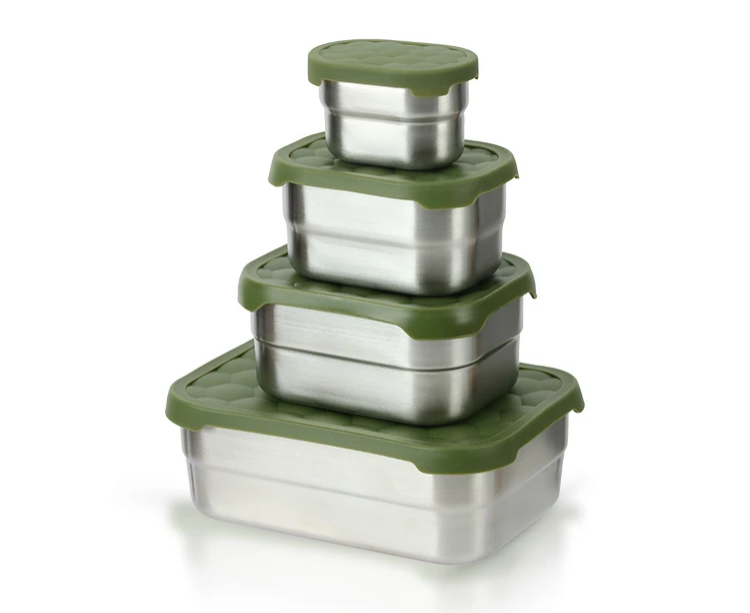
- सील को प्राथमिकता दें: एक बॉक्स बेकार है यदि आपके बैग में ढक्कन लीक होता है। वास्तव में सुरक्षित खाद्य भंडारण प्राप्त करने के लिए, आपको एक मजबूत यांत्रिक बंद करने की आवश्यकता है। एक खोजें स्टेनलेस स्टील खाद्य कंटेनर जो एक मोटी, खाद्य-ग्रेड सिलिकॉन अंगूठी के साथ संयुक्त मजबूत ताला लगाने के क्लिप का उपयोग करता है। यह शारीरिक रूप से ऑक्सीजन को अव
- हीटिंग सॉफ्ट बॉक्स बंद करें: यदि आपको नरम सामग्री का उपयोग करना है, तो उन्हें माइक्रोवेव में कभी नहीं डालें। हमेशा गर्मी से पहले अपने भोजन को सिरेमिक प्लेट पर ले जाएं। गर्मी मुख्य ट्रिगर है जो रसायनों को आपके भोजन में लीक करने का कारण बनता है।
- लंबी अवधि के लिए व्यवस्थित करें: अपने रसोई के उपकरण को अपग्रेड करने से आपको एक दशक से अधिक पैसा बचाया जाता है क्योंकि आप हर साल रंगीन बक्से फेंकना बंद कर देते हैं। आप टिकाऊ, स्वच्छ विकल्पों की एक विस्तृत चयन ब्राउज़ कर सकते हैं सिनोग्लास सही आकार और आकार खोजने के लिए उत्पाद जो आपके रेफ्रिजरेटर के अंदर साफ-साफ ढेर हैं।
वैश्विक ब्रांडों के लिए सुरक्षित समाधान का सोर्सिंग
स्वस्थ रसोई के बर्तन की ओर विशाल वैश्विक बदलाव दृढ़ता से प्रभावित करता है कि खुदरा व्यवसाय अपने स्टोर अलमारियों रोजमर्रा के उपभोक्ता सक्रिय रूप से पैकेजिंग लेबल पढ़ते हैं और गैर-विषाक्त सामग्री की मांग करते हैं, जिससे वितरकों एक विश्वसनीय विनिर्माण साथी खोजना अब किसी भी बढ़ते घरेलू सामान ब्रांड के लिए सबसे महत्वपूर्ण कदम है।
पेशेवर OEM और ODM सेवाएं
खुदरा विक्रेता जानते हैं कि सस्ते, लीकिंग बॉक्स पर अपने ब्रांड नाम डालने से उनकी ग्राहक समीक्षाएं जल्दी ही नष्ट उन्हें ऐसे उत्पादों की आवश्यकता होती है जो सख्त यूरोपीय और अमेरिकी सुरक्षा कानूनों जैसे कि एलएफजीबी पर सिनोग्लास इस स्थान में एक बड़े नेता के रूप में बाहर खड़ा है। 25 वर्षों से अधिक के व्यावहारिक अनुभव के साथ, हम चीन और थाईलैंड में 140,000 वर्ग मीटर के संयुक्त कारखाने क्षेत्र का संचालन करते हैं। हमारी सुविधाएं सही स्टील उत्पाद बनाने के लिए पूरी तरह से स्वचालित धातु कार्य, वेल्डिंग और पॉलिशिंग ल हमारे व्यापक माध्यम से ओईएम / ओडीएम कार्यक्रम, व्यवसाय आसानी से बॉक्स आकार, सिलिकॉन रंग और लेजर-उत्कीर्ण लोगो को अनुकूलित कर सकते हैं।
खुदरा सफलता के लिए साझेदारी
चाहे आप एक विशाल सुपरमार्केट श्रृंखला या एक विशेष आउटडोर गियर ब्रांड का प्रबंधन करते हों, एक विश्वसनीय आपूर्ति श् सिनोग्लास लचीले ऑर्डर वॉल्यूम प्रदान करता है, अक्सर विशिष्ट डिजाइन के आधार पर लगभग 200 से 600 सेट शुरू होते हैं। 50 से अधिक इंजीनियरों की उनकी समर्पित टीम खरीदारों को मोटे स्केच को भौतिक, बड़े पैमाने पर उत्पादित वस्तुओं में बदलने में मदद कोई भी वाणिज्यिक खरीदार एक वास्तव में सुरक्षित खाद्य कंटेनर स्टॉक करने के लिए देख रहे हैं बस कर सकते हैं हमसे संपर्क करें आज एक विस्तृत उद्धरण प्राप्त करने और 2026 के लिए एक बहुत मजबूत उत्पाद लाइनअप बनाना शुरू करने के लिए।
निष्कर्ष
अपने व्यंजनों के लिए उचित इकाई का चयन करना आपके स्वास्थ्य की रक्षा के लिए एक बुनियादी लेकिन प्रभावी साधन प् जबकि एक ग्लास भोजन कंटेनर निश्चित रसोई कार्यों के लिए सूट करता है, यह जल्दी से यात्रियों के लिए बहुत आसानी से ट एक प्लास्टिक बॉक्स पहले हाथ में दिखाई देता है। हालांकि, यह तेजी से फीका हो जाता है और अवांछित गंधों को फंसाता है। अंत में, एक बेहतरीन स्टेनलेस खाद्य कंटेनर आदर्श मिश्रण प्रदान करता है। यह आपके व्यंजनों को हर जगह परिवहन करने के लिए एक कठिन, पोर्टेबल और पूरी तरह से हानिरहित विधि प्रदान करता है। मजबूत सामग्री का चयन करके, आप अक्सर सस्ते स्वैप पर खर्च करने से बचते हैं। इसके अलावा, आप अपने खाने की दिनचर्या से जोखिम भरे पदार्थों को बाहर करते हैं। यह बेहतर प्रथाओं की तलाश में किसी भी वर्तमान घर के लिए एक बुद्धिमान, स्थायी विकल्प के रूप में खड़ा है।
अक्सर पूछे जाने वाले प्रश्न
प्रश्न: कौन सा बेहतर है, एक ग्लास या प्लास्टिक खाद्य कंटेनर?
उत्तर: ग्लास रासायनिक रूप से सुरक्षित है, लेकिन एक प्लास्टिक खाद्य कंटेनर बहुत हल्का और आसान है।
प्रश्न: क्या आप माइक्रोवेव में धातु के भोजन कंटेनर डाल सकते हैं?
उत्तर: नहीं। आपको कभी भी माइक्रोवेव में धातु के भोजन कंटेनर नहीं डालना चाहिए क्योंकि इससे खतरनाक चिंगारी होगी।
प्रश्न: एक वास्तव में सुरक्षित खाद्य कंटेनर क्या बनाता है?
उत्तर: एक सुरक्षित खाद्य कंटेनर 18/8 स्टील या ग्लास जैसी स्थिर सामग्रियों का उपयोग करता है जो कभी भोजन में रसायनों क