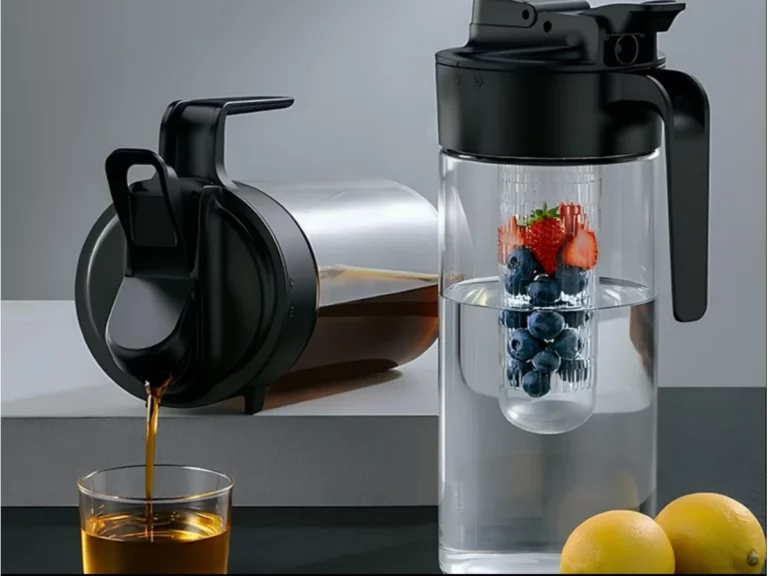

מטחנת קפה ידנית נתפסת לעתים קרובות כתוספת קטנה למגוון מוצרי קפה. זו בדיוק הסיבה שלפעמים קונים בוחרים בה מהר מדי. המוצר אולי נראה פשוט בתמונה בקטלוג, אבל ברגע שהוא מגיע למדפי הקמעונאות, הפרטים הופכים לברורים: כוונון טחינה, תחושת הידית, איטום הצנצנת, גודל הקופסה, מיקום הלוגו, והאם הספק יכול לחזור על אותה גרסה בהזמנה הבאה.
עבור קווי קפה של מותג פרטי, מטחנת קפה לא צריכה להרגיש כמו אביזר אקראי. היא צריכה לעזור להשלים את סיפור המוצר. קלייות קפה, קמעונאי כלי בית, מותגי מתנות ומפיצים של ציוד קפה זקוקים בדרך כלל למטחנת קפה ידנית שנראית נקייה, פועלת בצורה חלקה וניתנת לאריזה מבלי לבזבז יותר מדי מקום. סינוגלאס תומך בקונים הזקוקים למוצרי שתייה ומטבח שניתן לעבור מבדיקות דוגמיות להזמנות קמעונאיות חוזרות.
הגישה החזקה יותר היא לבדוק את המוצר כפריט קמעונאי הניתן למכירה, ולא רק כדוגמה מהמפעל. למטחנת קפה ידנית יש חלקים נעים, רכיבים הבאים במגע עם מזון ודרישות אריזה. ספק טוב של מטחנות קפה צריך לעזור לקונים לאשר את כל אלה לפני הייצור, לא לאחר שהזמנת הרכש כבר נעולה.
למה התאמת המוצר חשובה לפני תמחור מטחנת קפה?
הצעת מחיר נמוכה מועילה רק כאשר המוצר מתאים לערוץ המכירות. אם מטחנת הקפה הידנית אינה תואמת את קו המותג הפרטי, אפילו מחיר טוב לא יקל על מכירת התוכנית. קונים צריכים להחליט תחילה האם המטחנה מיועדת לערכת מתנה של מכונת קלייה, מדף כלי מטבח, חבילת קפה ביתית מקוונת או מגוון רחב יותר של אביזרי קפה.
קווי קפה זקוקים ליותר ממוצר עיקרי אחד
קווי קפה רבים של מותגים פרטיים מתחילים עם ספלים, פרנץ' פרס, סטים של מזיגה או מוצרי משקאות קרים. מטחנת קפה ידנית יכולה לעזור להשלים את המגוון הזה מכיוון שהיא מתחברת ישירות לשלב ההכנה לפני החליטה. היא נותנת ללקוח סיבה לקנות יותר מפריט אחד מאותו מותג.
המפתח הוא לבחור מטחנת קפה שניתן להסביר אותה בפשטות. קונה צריך להבין מדוע המוצר שייך לקו המוצרים תוך מספר שניות. אם המוצר דורש הסבר רב מדי, הוא עשוי להתאים יותר לערוץ נישה מאשר לקמעונאות כללית.
מיקום מטחנת הקפה הידנית צריך להישאר נקי
מטחנת קפה ידנית אינה זהה למטחנה חשמלית, מטחנת אספרסו או מטחנת קפה מסחרית. למילות מפתח אלו אולי יש נפח חיפוש, אך הן אינן תואמות היטב למוצר זה. עבור מאמר זה, ההתאמה הטובה יותר היא מטחנת קפה, מטחנת קפה ידנית ומטחנת קפה ידנית, מכיוון שמונחים אלה תואמים את השימוש במוצר ועדיין שומרים על נראות בחיפוש.
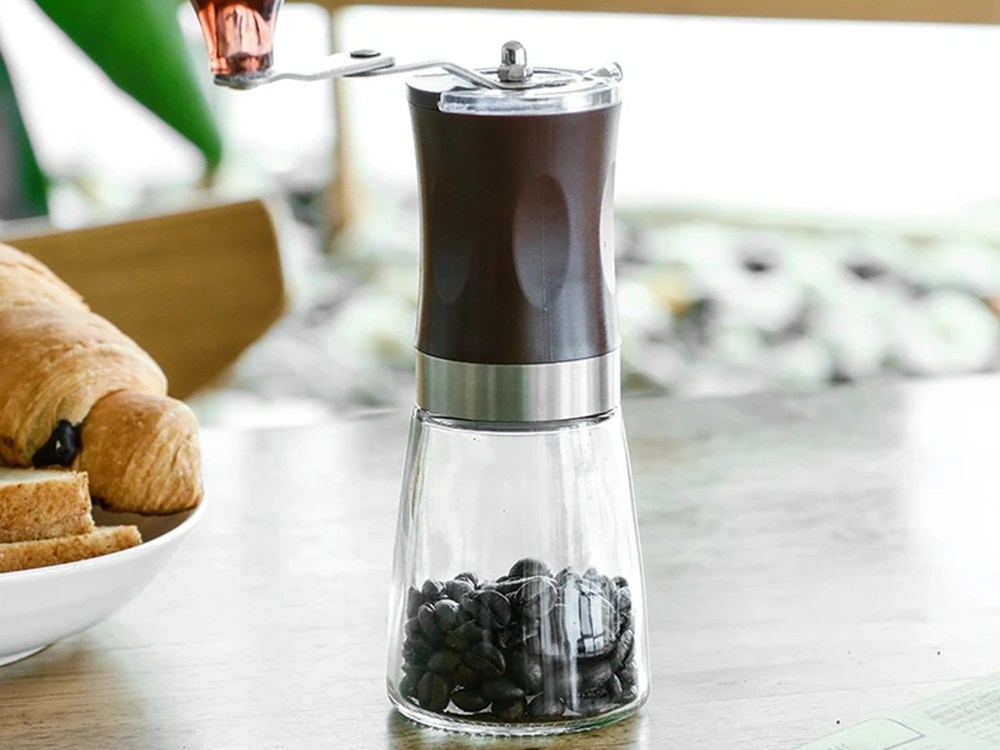
מטחנת קפה ידנית מזכוכית זו נותן לקונים בסיס ברור לסוג זה של מוצר מותג פרטי. יש לו צנצנת זכוכית, ידית מתקפלת, מכסה נפרד, מנגנון קרמי וכוונון עדין לגס. פרטים אלה קלים להפיכה לטקסט לדף המוצר, נקודות אריזה וחומרי מכירה.
שימוש בדוגמאות צריך להנחות את סיפור המכירה
קונים לא צריכים לאשר מטחנת קפה ידנית רק על סמך המראה שלה. יש להשתמש בדוגמית עם פולי קפה אמיתיים. סובבו את הידית, שנו את הגדרת הטחינה, אטמו את הצנצנת, קפלו את הידית והחזירו את המוצר לקופסה. זה אומר לקונים יותר מתמונה של פחית.
אם המטחנה מרגישה טבעית במהלך בדיקת מדגם, סיפור המכירה הופך לקל יותר. אם היא מרגישה נוקשה, מבלבלת או שבירה, סביר להניח שהבעיה הזו תגיע גם ללקוחות.
אילו תכונות של מטחנת קפה כדאי לקונים לבדוק קודם?
מטחנת קפה צריכה להרגיש נעימה בשימוש. קונים צריכים לבדוק תכונות שמשפיעות על חוויית המשתמש ועל פעילות הקמעונאות בו זמנית. חלק מהפרטים עוזרים לקונים. אחרים עוזרים להפחית פסולת אריזות, החזרות או בעיות תקשורת עם ספקים.
כוונון טחינה דורש היגיון ברור של המשתמש
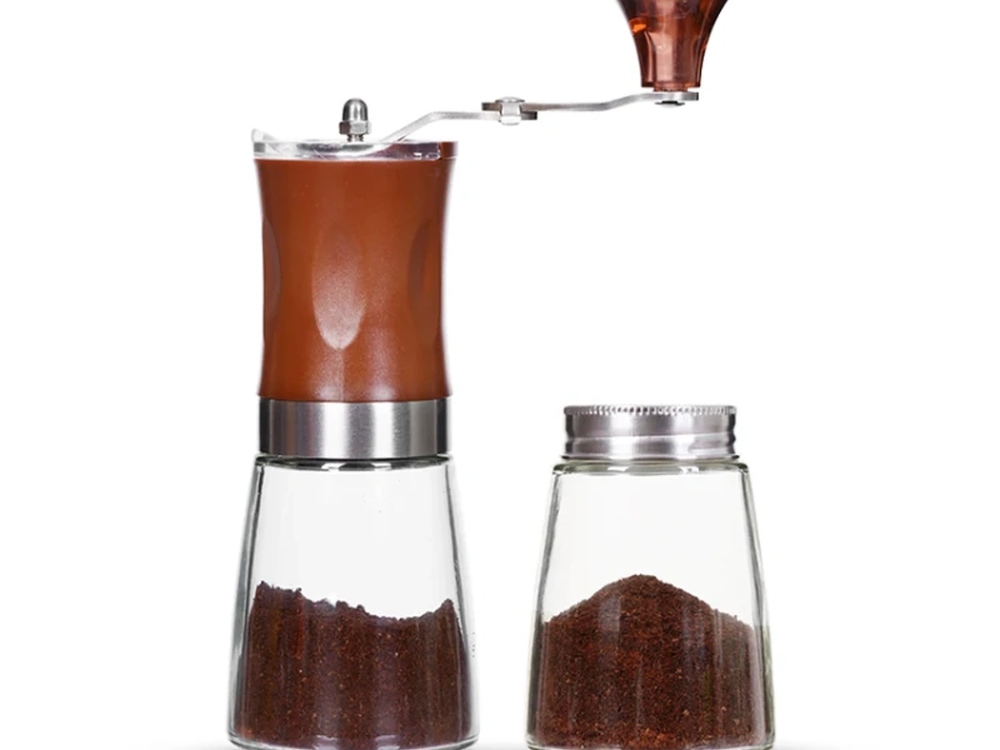
מטחנת קפה ידנית אמורה להקל על הבנת כיוון הטחינה. כיוון מדק לגס נותן לקונים נקודה ברורה לתיאור המוצר, מכיוון ששותי קפה משתמשים בשיטות חליטה שונות. חלקם זקוקים לטחינה דקה יותר לטפטוף או למזיגה. אחרים עשויים להעדיף טחינה גסה יותר לקפה פרנץ' פרס.
עבור קונים של מותג פרטי, השאלה האמיתית היא האם ניתן להסביר תכונה זו ללא הוראות ארוכות. אם המשתמש יכול להבין את ההתאמה במהירות, קל יותר למכור את המוצר באינטרנט ובאריזה קמעונאית.
מנגנון קרמי תומך בסיפור מוצר טוב יותר
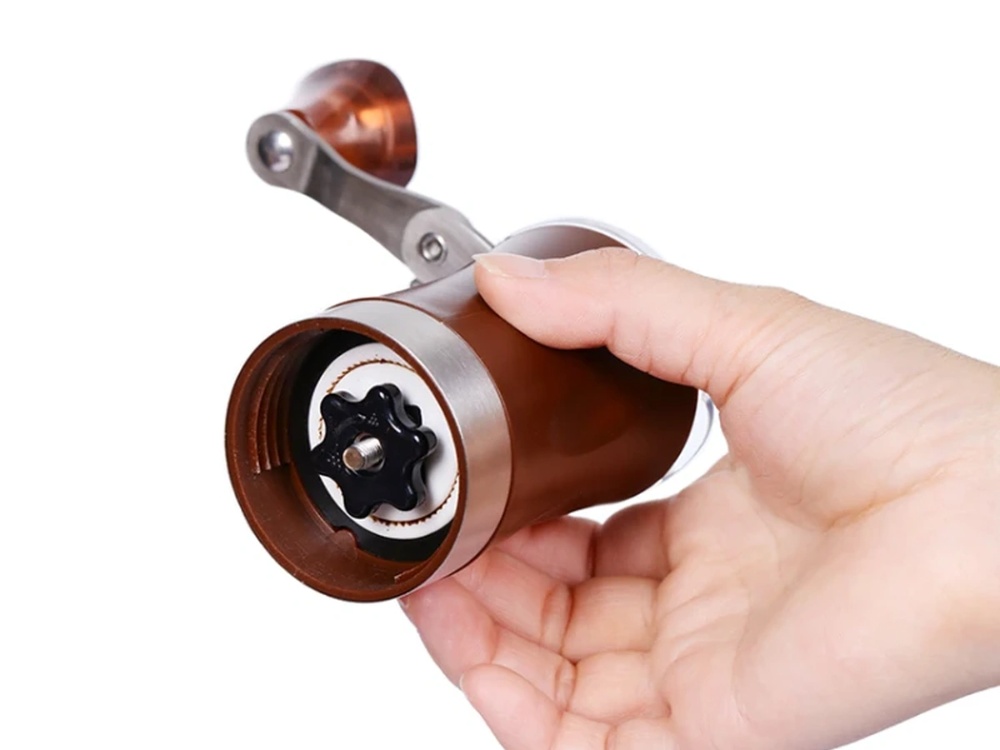
המנגנון הקרמי הוא אחת הסיבות העיקריות לכך שניתן למקם מטחנת קפה ידנית מזכוכית מעל מטחנה בסיסית בעלת עלות נמוכה. מטחנה קרמית גם נותנת לקונים נקודת מכירה קונקרטית יותר מאשר מילים כלליות כמו פרימיום או איכות גבוהה.
ספק מטחנת קפה צריך להיות מסוגל להסביר את המנגנון, לא רק לרשום את המילה קרמיקה. קונים יכולים לבקש בדיקה לדוגמה ותמונות תקריב של חלק הטחינה לפני אישור הזמנות בכמויות גדולות.
ידית מתקפלת מסייעת באחסון ובאריזה
הידית המתקפלת שימושית לצרכן, אך חשובה גם לאריזות קמעונאיות. צורת אריזה קטנה ונקייה יותר יכולה לסייע בעיצוב קופסת הצבעים, סידור הקרטון ותכנון ההובלה. פרט זה לא צריך להסתתר בתיאור המוצר.
עבור קונים, הידית המתקפלת מקשרת בין נוחות המשתמש לבין חיסכון בהזמנה. היא מקלה על אחסון המוצר בבית וקל יותר לאריזתו לקמעונאות.
כיצד על קונים להתמודד עם MOQ, אריזה והתאמה אישית?
פרויקטים של מותג פרטי נתקלים לעתים קרובות בצרות כאשר ההתאמה האישית מתחילה מאוחר מדי. מטחנת קפה ידנית עשויה להזדקק למיקום לוגו, עיצוב גרפי על הקופסה, ניסוח הוראות, מיקום ברקוד, אישור צבע ותוויות קרטון. אלו אינן משימות קשות, אך הן דורשות תהליך הזמנה מבוקר.
MOQ צריך להתאים למבחן המכירות הראשון
דף המוצר מפרט את כמות המצרכים המומלצת (MOQ) של 600 יחידות עבור מטחנת קפה ידנית מזכוכית זו. הזמנה ראשונה צריכה להתאים לגודל הערוץ ולתוכנית ההשקה של הקונה. קו אביזרי קפה חדש לא תמיד זקוק לצבעים רבים או גרסאות חבילה בהתחלה.
מוצר אחד, עיצוב קופסה שקופה אחד ומיקום לוגו מאושר אחד יכולים להספיק לבדיקה הראשונה. לאחר קבלת נתוני המכירות, הקונה יכול להוסיף גרסאות בקופסת מתנה או צבעים משניים.
האריזה חייבת להגן על צנצנת הזכוכית
מטחנת קפה ידנית כוללת צנצנת זכוכית ורכיבים נעים, לכן אין להתייחס לאריזה כקישוט בלבד. הקופסה חייבת להגן על המטחנה, להסביר את הפונקציה ולגרום למוצר להרגיש מוכן לשימוש קמעונאי. על הקונים לבקש את גודל הקופסה בצבע, גודל הקרטון הראשי, משקל הקרטון ותמונות המוצר הארוזה.
אם המוצר נמכר באינטרנט, הקופסה צריכה לעמוד גם בטיפול במחסן. אם הוא נמכר בחנויות, הפאנלים הקדמיים והצדדיים צריכים להפוך את מטחנת הקפה הידנית לקלה להבנה במהירות.
אפשרויות מותאמות אישית צריכות להישאר ממוקדות
ה קטגוריית מטחנת קפה תומך בסדרת מטחנות קפה שניתן לחבר לאביזרי קפה של מותג פרטי. עבור רוב ההזמנות הראשונות, לוגו, אריזה ובחירות צבע פשוטות מספיקות. החלפת יותר מדי חלקים בבת אחת עלולה להאט את ההזמנה ולהגביר את הסיכון לאישור.
אם הקונה זקוק לפיתוח מותאם אישית רחב יותר, שירות OEM/ODM של SinoGlass יכול לתמוך בתהליך החל משלב הרעיון ואישור הדגימה ועד לייצור ובדיקה.
כיצד קונים יכולים להשוות ספק של מטחנות קפה?
ספק מטחנות קפה צריך לסייע בהפחתת אי הוודאות לפני הייצור. הספק הטוב ביותר אינו רק זה שעונה עם מחיר נמוך. קונים זקוקים לתשובות ברורות לגבי דוגמיות, חומרים, מנגנון, אריזה, MOQ, בדיקה וקבצי הזמנות חוזרות.
בדיקות פונקציונליות צריכות להתבצע לפני אישור
על הקונים לטחון פולים אמיתיים במהלך בדיקת הדגימה. זה עוזר לאשר האם מטחנת הקפה הידנית יציבה, האם הידית מסתובבת בצורה חלקה, והאם כוונון הטחינה ברור מספיק עבור הלקוח היעד.
זה גם עוזר לקונים להחליט כיצד לתאר את המוצר. אם המטחנה עובדת היטב עבור מספר שיטות חליטה נפוצות, ניתן להשתמש בנקודה זו בדף המוצר ובאריזה.
בקרת איכות צריכה לכלול חלקים נעים
בדיקה ויזואלית אינה מספיקה למטחנת קפה. יש לבדוק את הצנצנת, המכסה, הידית, המנגנון, הלוגו והאריזה. על הקונים לשאול כיצד הספק בודק חלקים נעים והאם ניתן לשתף תמונות של המוצר הסופי לפני המשלוח.
עבור הזמנות של מותג פרטי, על הספק לשמור גם את קבצי הדוגמאות, הגרפיקה והקופסאות שאושרו בצורה יציבה. הזמנות חוזרות תלויות ברשומות אלו.
יש ליצור קשר לפני שהיצירה הסופית
אם קונים ממתינים עד לסיום הגרפיקה לפני אישור פרטי המוצר, שינויים קטנים עלולים ליצור עיכובים. הדרך הטובה יותר היא לאשר תחילה את הדגם, הקיבולת, אזור הלוגו, מבנה האריזה ותזמון הדגימה.
קונים שמכינים הזמנה של מטחנת קפה ידנית של מותג פרטי יכולים להשתמש ב דף יצירת קשר של SinoGlass כדי לאשר את פרטי המוצר, צרכי ההתאמה האישית ותכנון ההזמנה לפני הנפקת הזמנת רכש.
מסקנה
מטחנת קפה ידנית יכולה להיות חלק חשוב מקווי קפה של מותג פרטי כאשר קונים בוחנים את המוצר כמו פריט קמעונאי, ולא רק אביזר קטן. הנקודות העיקריות הן כוונון טחינה, מנגנון קרמי, איטום צנצנות זכוכית, עיצוב ידית מתקפלת, מינימום הזמנה (MOQ), אריזה ותמיכה בספקים.
מטחנת קפה ידנית מזכוכית זו מעניקה לקונים בסיס פרקטי לאביזרי קפה מכיוון שקל להבין אותה וקל להתחבר אליה למוצרי החליטה. עבור קונים המשווים ספק מטחנות קפה, הבחירה החזקה יותר היא זו שיכולה לתמוך בבדיקות דגימה, בקרת אריזה, עבודה בהתאמה אישית ועקביות בהזמנות חוזרות.
שאלות נפוצות
שאלה 1: מה קונים צריכים לבדוק לפני שהם רוכשים מטחנת קפה ידנית?
A1: בדיקת כוונון טחינה, מנגנון קרמי, איטום הצנצנת, תחושת הידית, מינימום משלוח (MOQ), אריזה ועקביות הדגימה.
שאלה 2: האם מטחנת קפה ידנית מזכוכית זו יכולה לתמוך בפרויקטים של מותג פרטי?
A2: כן. נוכל לדון בלוגו, אריזה, צבע, אביזרים ופרטי יצרן ציוד מקורי (OEM) אחרים בהתבסס על צרכי ההזמנה.
שאלה 3: כיצד קונים יכולים להשוות ספק מטחנות קפה?
A3: השווה את איכות הדגימה, יציבות המנגנון, תמיכת האריזה, תהליך הבדיקה, MOQ ותקשורת עם הזמנות חוזרות.