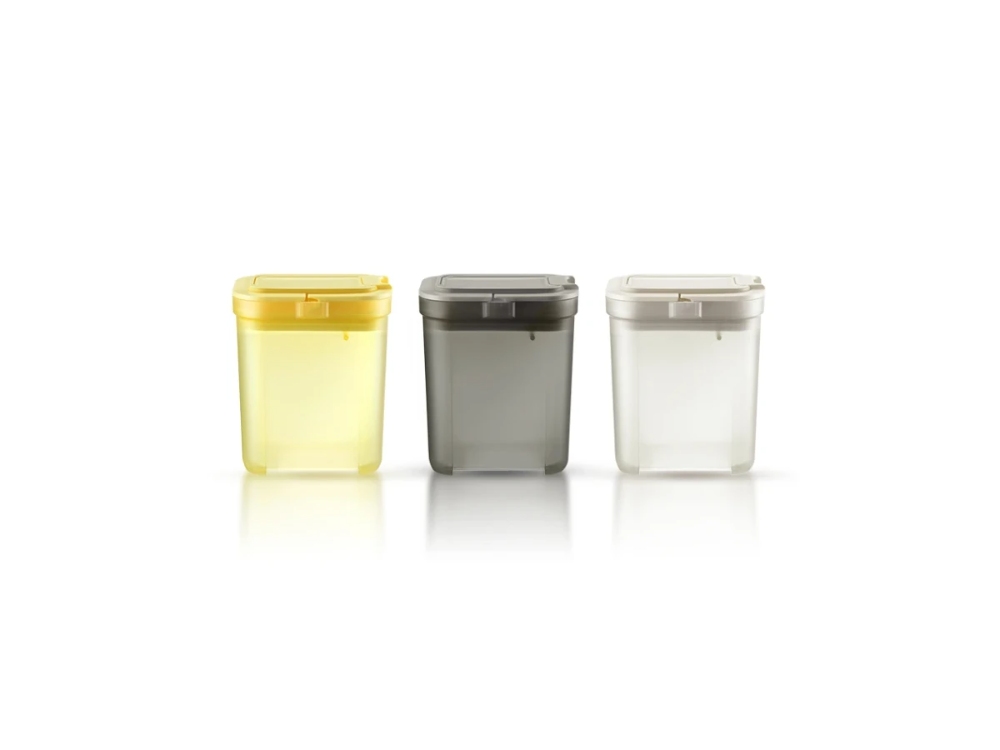
קונים קמעונאיים צריכים לבדוק הצהרות חומרים, איטום המכסה, בקרת מנות, ניסוח היגיינה, הגנה על הקרטון ופרטי מותג פרטי לפני רכישת מיכלי אחסון של אבקת חלב. פריט טיפוח לתינוקות קטן עדיין יכול ליצור בעיות קמעונאיות גדולות אם המכסה מרגיש רופף, קשה לאחסן את הכפית, או שהעותק של האריזה מציג טענות שהספק אינו יכול לתמוך בהן.
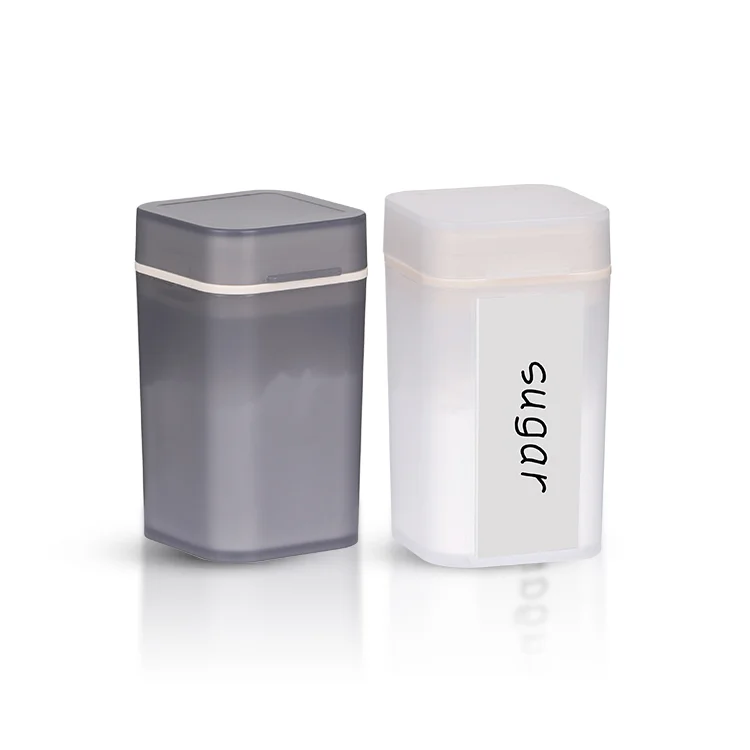
סינוגלאס מציע א מיכל אחסון אבקת חלב עם פלסטיק ללא BPA, מכסה אטום וכף. זה נותן לקונים נקודת התחלה מעשית, אך האישור הסופי עדיין צריך להתבסס על דוגמיות, אישור חומר בכתב והאופן שבו יימכר מיכל אחסון הפורמולה בחנויות או באינטרנט.
מדוע אחסון אבקת חלב זקוק לעדשת מקור קמעונאית?
מיכל אחסון אבקת חלב אינו רק קופסה ביתית קטנה. בתוכנית קמעונאית, הוא ממוקם ליד אחסון האכלה לתינוקות, אביזרי נסיעות, אחסון במטבח המשפחתי, ולפעמים מוצרים לילדים. קונים צריכים לבחון כיצד ההורים יישאו אותו, ינקו אותו, ימלאו אותו מחדש ולהבין את התווית. הדרך המסחרית הבטוחה יותר היא למכור אחסון נוחות ויבש, תוך הימנעות מהבטחות רפואיות או בטיחות האכלה ששייכות לאריזות תמ"ל מאושרות.
טענות מהותיות דורשות אישור בכתב
ניסוח ללא BPA שימושי לשיפור מראה המדף, אך יש לגבות אותו במסמכי ספק לפני שצוות רכש מדפיס אותו על אריזות קמעונאיות. בקשו את סוג השרף, הצהרת מגע עם מזון, מידע על צבע וכל דוחות בדיקה ספציפיים לשוק הנדרשים עבור מדינת היעד. אם מתקן הפורמולה יימכר במעברי תינוקות, על המותג גם לעיין בכללי התיוג המקומיים לפני שימוש בטענות חזקות על התגית או הקופסה.
עבור SinoGlass, דף המוצר מציג את הפריט כמיכל אחסון אבקת חלב מפלסטיק ללא BPA לאחסון לטווח ארוך. קונה יכול להשתמש בו כמוצר המותאם הראשון, ולאחר מכן לבקש מסמכים סופיים לפי דגם, צבע, חומר המכסה וכמות ההזמנה. זה שומר על המוצר ועל בקשת ההצעה מבוססים על מה שניתן לבדוק.
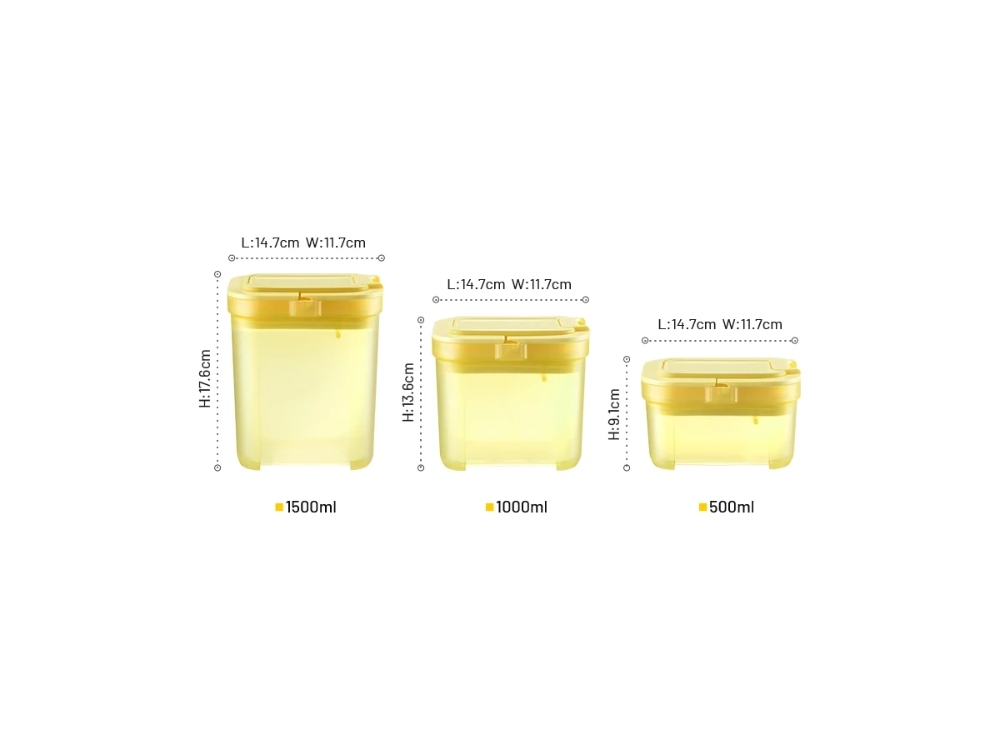
אחסון יבש הוא מקרה השימוש האמיתי
מוצרים באבקה מאבדים מערכם כאשר המיכל מכניס לחות, ריח או אבק. מיכל אחסון פורמולה צריך להיסגר בצורה נקייה, להרחיק את הכף ממשטחים מלוכלכים, ולהישאר קל לפתיחה ביד אחת. קמעונאים צריכים גם לבדוק האם המכסה יכול לשאת תיק, סל לעגלה או תרמיל חיתולים ללא פתיחה מקרית. בדיקות שימוש יומיומיות מסוג זה שימושיות יותר מרשימת תכונות ארוכה.
קונים צריכים להיזהר עם הטקסט. המיכל יכול לתמוך בנסיעות ובאחסון יבש, אך הוא לא אמור לומר להורים שהתמ"ל שהועבר נשאר בטוח למשך זמן מסוים אלא אם כן טענה זו מגובה במותג התמ"ל או בכללים המקומיים. ברוב הטקסטים הקמעונאיים, שפה פשוטה כמו אחסון אבקה יבשה, חלוקה למנות וגישה נקייה בכפית קלה יותר להגנה.
כיצד על קונים לשפוט בקרת מנות ושימוש בנסיעות?
כוונת החיפוש מאחורי מתקן פורמולה היא בדרך כלל פרקטית: קונים רוצים דרך נקייה יותר לחלק את האבקה לפני היציאה. קונים קמעונאיים יכולים להפוך את הכוונה הזו למוצר חזק יותר רק אם המוצר קל לקריאה, קל למילוי מחדש וקומפקטי מספיק לנסיעות יומיומיות. אותו היגיון חל כאשר הפריט נמכר כמיכל אחסון מזון לתינוקות או אביזר נסיעות משפחתי.
סימון קיבולת צריך להתאים לשגרה אמיתית
מיכל מחולק למנות נראה שימושי יותר כאשר התאים או אזורי המילוי תואמים לשגרה הרגילה. על הקונים לאשר האם המיכל מיועד לטיולים של יום אחד, טיולים קצרים, גיבוי לחדר ילדים או שימוש במזווה. אם הסימונים או אפשרויות הגודל אינם ברורים, קונים רשאים להחזיר את המוצר גם כאשר החומר מקובל. בדיקת דגימה פשוטה עם אבקה יבשה, הכפית המצורפת ותיק חיתולים טיפוסי יכולה לחשוף בעיות רבות לפני ייצור בכמות גדולה.
כאן גם קונה יכול להשוות מיכל אחסון אבקת חלב למיכל אחסון רחב יותר של מזון לתינוקות. שני הרעיונות עשויים לחלוק מדף, אך לא תמיד הם זקוקים לאותו עותק. אחסון אבקה דורש תשומת לב ליובש ולאחסון בכפית; אחסון חטיפים דורש ניקוי קל ונראות של המנות.
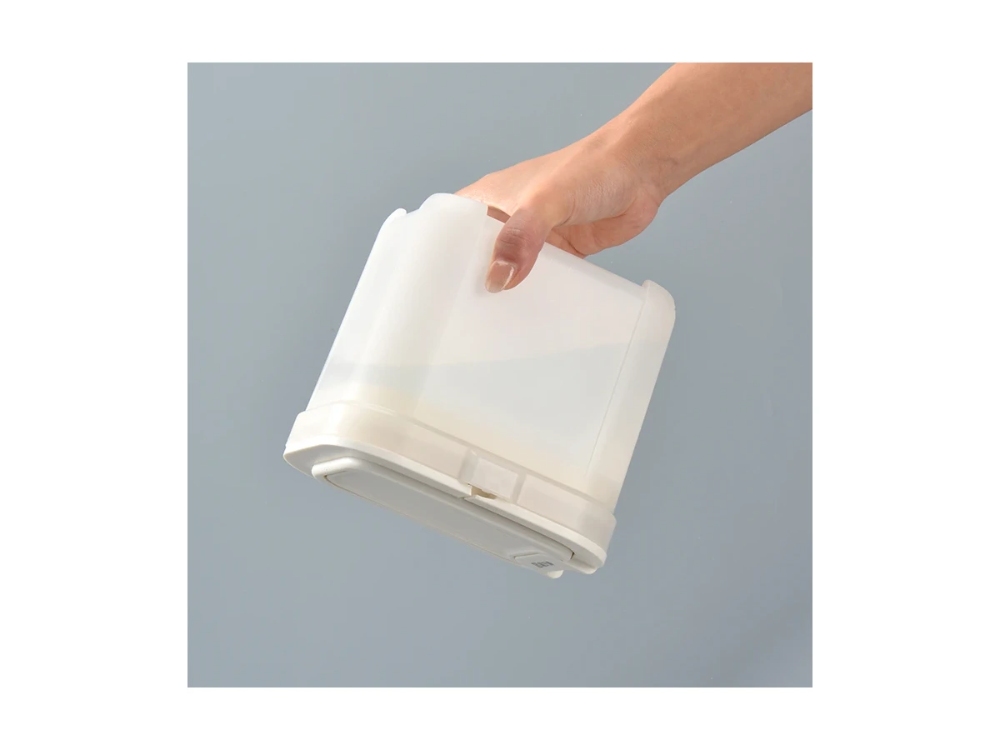
נוחות הנסיעה לא צריכה להסתיר שאלות ניקיון
שימוש בנסיעות נמכר היטב משום שקל לצרכנים להבין אותו. עם זאת, מתקן לתמ"ל חייב להיות קל לשטיפה, ייבוש ובדיקה. פינות עמוקות, אבקה לכודה או כף שנוגעת בדלפק עלולים לגרום לתלונות. לפני הוספת הפריט לקו אחסון מזון לתינוקות, קמעונאים צריכים לבקש דוגמיות ולבדוק האם משתמשים רגילים יכולים לנקות כל משטח ללא כלים מיוחדים.
קמעונאי שעובד עם פרופיל קו הייצור של SinoGlass ניתן גם לשאול כיצד מטופלים בדיקות נכנסות, בדיקות סופיות וביצוע הזמנות עבור הזמנות חוזרות. הנקודה אינה להבטיח ביצועים מושלמים. הנקודה היא לדעת אילו נקודות בדיקה קיימות לפני שהמוצר מגיע למדפי הקמעונאות.
אילו פרטי אריזה חשובים לפני הזמנות בכמויות גדולות?
אריזות הן המקום שבו הזמנות קטנות רבות של כלי מטבח הופכות יקרות. מיכל אחסון לתינוקות עשוי לעבור בדיקה שולחנית, אך להיכשל במשלוח, להיראות פשוט מדי לצד מוצרי תינוקות מתחרים, או לשאת כיתוב שהקמעונאי יצטרך לשנות מאוחר יותר. קונים צריכים להסדיר את הפריטים הללו לפני הצעת המחיר, לא לאחר שעיצוב הייצור כבר אושר.
| נקודת רכש | מה קונים צריכים לאשר | למה זה משנה |
| חומר וצבע | הצהרת מגע עם מזון, תמיכה ללא BPA, דוגמת צבע | מגן על תביעות תוויות ומפחית עבודות חוזרות על תאימות |
| מכסה וכפית מתאימים | כוח פתיחת דגימה, אחסון כפית, בדיקת שאריות אבקה | מפחית תלונות על שימוש יומיומי |
| אריזות קמעונאיות | ברקוד, עותק אזהרה, צרכי נפילת קרטון, אזור תווית | שומר על עקביות במכירות מקוונות ובמדפים |
| מותג פרטי | שיטת לוגו, MOQ, אישור גרפיקה, סבילות צבע | מונע שינויים מאוחרים בתכנון |
| נתוני הזמנה סופיים | דגם, קיבולת, אריזה, תקן בדיקה, זמן אספקה | מקל על השוואה בין הזמנות חוזרות |
עבור תוכניות של מותג פרטי, שירות כלי מטבח בהתאמה אישית של SinoGlass OEM ו-ODM יכול לתמוך בדיון מובנה יותר בנוגע לצורה, למכסה, ללוגו, לאישור דגימות וייצור בכמות גדולה. קונים צריכים לשלוח שרטוטים או תמונות הפניה כאשר יש להם קונספט קבוע של אחסון האכלת תינוקות, במקום לבקש הצעת מחיר כללית בלבד.
יש לבדוק את הגנת הקרטון עם האריזה הסופית
אפילו פריטי פלסטיק יכולים להגיע עם מכסים שחוקים, קופסאות קמעונאיות מרוסקות או כפיות רופפות אם האריזה לא נבדקה כיחידה קמעונאית שלמה. יש לבדוק את השקיות הפנימיות, את צורכי המחיצה, את הגנת הכפות, את מיקום הברקוד ואת סידור הקרטון. אם מתקן הפורמולה נמכר באינטרנט, על הקונה לחשוב גם על טיפול בחבילות ביחידה בודדת, ולא רק על ייצוא מהקרטון הראשי.
תוכן קמעונאי צריך להישאר פרקטי
העותק הקמעונאי החזק ביותר הוא בדרך כלל פשוט: מכסה אטום, כף כלולה, שימוש קומפקטי בנסיעות, אחסון נקי וחלוקה קלה למנות. הימנעו מטענות רפואיות, הבטחות טריות קבועות או מילים שגורמות למוצר להישמע כאילו הוא מחליף את הוראות מותג הפורמולה. מיכל אחסון מזון לתינוקות יכול להיות שימושי מבלי להבטיח יתר על המידה. זוהי דרך בטוחה יותר עבור מותגים, יבואנים ומוכרים בשוק.
כיצד SinoGlass יכולה להשתלב בתוכנית מותג פרטי?
קונה אינו זקוק לתדריך עיצובי גמור לפני תחילת השיחה, אך בקשת ההצעה צריכה להיות ספציפית מספיק כדי לחסוך זמן. שתפו את ערוץ היעד, כמות ההזמנה הצפויה, שוק, תוכנית צבעים, סגנון אריזה וכל מסמך נדרש. אם המוצר יישאר ב... קטגוריית מוצרים לילדים או תצוגת האכלת תינוקות, יש להסביר את סיפור המדף ואת רמת האריזה הצפויה.
לאחר מכן, SinoGlass יכולה לדון בדגם המתאים של מיכל אחסון אבקת חלב, כיוון האריזה ותהליך הדוגמה. קונים הזקוקים למיכל אחסון פורמולה מותאם אישית צריכים גם לאשר אילו שינויים ריאליים עבור גודל ההזמנה. לפני ביצוע הזמנה בכמות גדולה, צור קשר עם SinoGlass עם קישורי מוצרים, צורכי גרפיקה, דרישות קרטון והשוק בו יימכרו הסחורות.
מסקנה
מיכלי אחסון אבקת חלב הטובים ביותר אינם נבחרים לפי מראה חיצוני בלבד. קונים קמעונאיים זקוקים לתצוגה ברורה של טענות החומר, התאמת המכסה, היגיינת הכפית, שימוש בנסיעות, הגנה על הקרטון וניסוח המותג הפרטי. מתקן לתמ"ל יכול להיות מוצר שימושי לאחסון מזון לתינוקות כאשר הטענות שלו נשארות פרקטיות ואריזתו מתוכננת לפני הייצור. עבור תוכנית מיכלי אחסון מזון לתינוקות, בקשו דוגמיות, בדקו את הטיפול היומיומי ואשרו מסמכים לפי דגם לפני המעבר להזמנה בכמות גדולה.
שאלות נפוצות
שאלה 1: מה צריכים קונים לשאול לפני הזמנת מיכל אחסון אבקת חלב?
A1: בקשו מסמכי חומרים, דוגמאות, בדיקות מכסים, פרטי אריזה, MOQ ודרישות גרפיקה סופיות.
שאלה 2: האם ניתן למכור מתקן לתמ"ל כמיכל לאחסון מזון לתינוקות?
A2: כן, אם העותק והוראות השימוש תואמים למוצר בפועל ולתקנות הקמעונאות המקומיות.
שאלה 3: מדוע יש צורך בניסוח מדויק של אחסון מזון לתינוקות?
A3: מוצרים הקשורים לתינוקות זקוקים לטענות מעשיות וניתנות לגיבוי. הימנעו מהבטחות בריאות או בטיחות ללא מסמכים.